By
By Understanding Why Luoyang Henan China Is the Peony Capital of the World
What transforms a flower from a simple botanical specimen into the emblem of a major city? For Luoyang, Henan China, the connection with the peony is a deep-rooted identity forged over centuries. This status isn’t the result of a modern marketing campaign; it’s a legacy built on a unique convergence of ideal geography, imperial decree, and enduring cultural celebration. Understanding this history offers a window into the region’s cultural fabric, providing valuable context for anyone engaging with this historic and modern hub.
The city’s global reputation as the “Peony Capital” stems from three interconnected factors: its natural environment perfectly suited for peony cultivation, a long history of imperial patronage that elevated the flower to a symbol of nobility, and a world-renowned annual festival that reinforces this identity on a global stage. Together, these elements explain why the peony is inseparable from the name Luoyang.
The Roots of an Identity: Climate, Emperors, and Festivals
The peony’s reign in Luoyang is not a coincidence. It is the direct result of specific local conditions and historical events that created a perfect environment for this flower to not only grow, but to become a cultural icon. We can break down the primary drivers into three distinct categories, each building upon the last.
- Favorable Growing Conditions: The foundation of Luoyang’s peony culture is its geography. The region’s temperate climate, with distinct seasons and moderate rainfall, provides the necessary conditions for peonies to thrive. The soil composition in the Yellow River basin, where Luoyang is situated, is particularly well-suited for cultivating the deep, strong root systems that produce large, vibrant blooms. These are not plants that can be easily grown just anywhere; they require this specific combination of climate and soil that Luoyang naturally possesses.
- Imperial Cultivation and Patronage: While nature provided the potential, it was imperial power that elevated the peony to legendary status. During dynasties like the Tang and Song, when Luoyang served as a capital, emperors and the nobility became captivated by the peony. It was seen as the “King of Flowers,” symbolizing wealth, honor, and prosperity. Imperial gardens were dedicated to its cultivation, and poets and artists were commissioned to celebrate its beauty. This high-level patronage transformed the peony from a mere flower into a powerful cultural symbol, inextricably linking it with the imperial court at Luoyang Henan China.
- The Luoyang Peony Festival: The modern pillar of Luoyang’s identity is the annual Peony Festival, typically held in April and May. This event is not just a local celebration; it is a major international affair that attracts millions of tourists, horticulturists, and business visitors. The festival institutionalizes the city’s connection to the flower, creating a recurring global focus on Luoyang. It drives the local economy, promotes cultural exchange, and continually reinforces the city’s brand as the ultimate destination for peony enthusiasts. The festival ensures the historical legacy remains a vibrant, living tradition.
Planning a Visit During Peony Season: A Business Traveler’s Checklist
For business professionals, a trip to Luoyang during the Peony Festival offers a unique opportunity to engage with local culture and build relationships. However, the popularity of the event requires careful planning. Navigating the city during this peak time is different from a standard business trip. The key is to balance professional objectives with the logistical realities of a city hosting a major international event.
Use this checklist to prepare for a productive and culturally enriching visit.
| Decision Point | Key Consideration | Recommendation & Rationale |
|---|---|---|
| Timing Your Visit | Peak bloom vs. shoulder period. | Aim for mid-to-late April. This is typically the peak blooming period for the most famous varieties. Visiting earlier or later in the festival window (early April or early May) means fewer crowds but potentially less spectacular floral displays. For business, the peak period offers more networking energy. |
| Booking & Logistics | Accommodation and transport availability. | Book flights and hotels at least three months in advance. Prices surge and availability plummets during the festival. Consider locations slightly outside the city center but near a subway line for a balance of cost and convenience. |
| Choosing Venues | Balancing famous sites with business needs. | Prioritize one or two main peony gardens (like the National Peony Garden or Wangcheng Park) for the cultural experience. Schedule business meetings in hotel conference rooms or dedicated business centers to avoid the noise and crowds of public spaces. |
| Cultural Etiquette | Gift-giving and social customs. | Inviting a business partner to a respected peony garden is a gesture of high esteem. However, avoid giving peonies as a business gift unless you are certain of the context; it can be overly familiar. Standard, high-quality gifts like tea or local crafts are safer. |
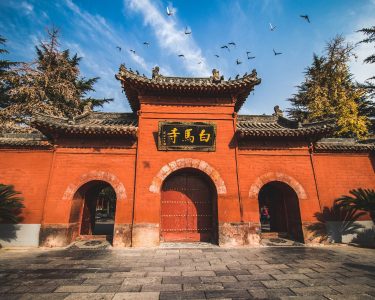
| Beyond the Festival | Leveraging your time in a historic capital. | Schedule time to visit key historical sites like the Longmen Grottoes or the White Horse Temple. Demonstrating knowledge of Luoyang’s deep history beyond the peonies shows respect and genuine interest in the region, which is highly valued in business relationships. |
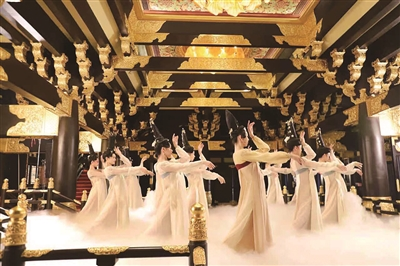
Beyond the Blooms: Luoyang’s Strategic and Historical Significance
While the peony provides a beautiful and compelling identity, the strategic importance of Luoyang Henan China is rooted in over 4,000 years of history. As one of the Four Great Ancient Capitals of China, it has been the political, economic, and cultural center for numerous dynasties. This profound historical depth has a tangible impact on the modern business environment, fostering a culture of long-term thinking and an appreciation for heritage and stability.
For international partners, understanding this context is crucial. It’s not just a manufacturing hub; it’s a city with a deep sense of place and history that informs its development and business practices. Acknowledging this legacy can be a key differentiator in building strong, lasting commercial ties.
Common Misconceptions for First-Time Visitors
Visitors who only focus on the peonies may miss the broader context of the city. Here are common mistakes to avoid to ensure a more comprehensive understanding of Luoyang’s potential.
- Mistake 1: Viewing it only as a tourist city. While tourism is significant, Luoyang is also a major industrial city with strengths in equipment manufacturing, new materials, and technology. The Peony Festival is the cultural face of a diverse and robust regional economy.
- Mistake 2: Ignoring its geographical importance. Luoyang is a critical transportation nexus in central China. Its location in Henan province, one of China’s most populous, makes it a strategic point for logistics and distribution networks covering a massive domestic market.
- Mistake 3: Overlooking the historical influence on business. The city’s long history as a capital has cultivated a local culture that values reputation, long-term relationships, and stability. Business negotiations may move at a more deliberate pace than in coastal megacities, with a greater emphasis on building trust before finalizing deals.
- Mistake 4: Confining your visit to the city center. The surrounding region of Luoyang contains significant industrial zones and historical sites. Understanding the relationship between the urban core and its surrounding agricultural and industrial areas provides a more complete picture of the local supply chain and economy.
By looking past the spectacular floral displays, one can see the foundations of a city that has been a center of power and innovation for millennia. This historical weight gives Luoyang a unique character that continues to shape its path forward as a key player in central China’s development.
To gain further insight into the business landscape and cultural nuances of Luoyang, feel free to contact our team for a regional briefing.