Why Luoyang Was Once Written as “Lo Yang”
If you have encountered both “Lo Yang” and “Luoyang” when researching this historic city in Henan, you are not alone. They refer to the same ancient capital and cultural center in central China. The spelling difference comes from the romanization systems used to convert Chinese names into the Latin alphabet.
“Lo Yang” is an older English spelling, while Luoyang is the modern Hanyu Pinyin form. Today, Luoyang is the standard spelling used on maps, travel websites, train schedules, and official signs throughout China.
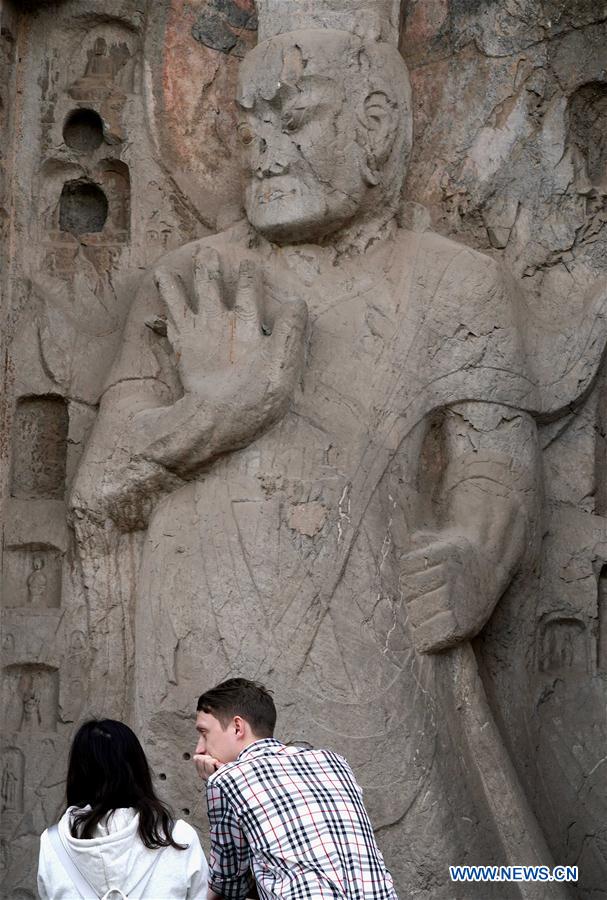
From Wade-Giles to Pinyin: The Romanization Shift Explained
The difference between “Lo Yang” and “Luoyang” lies in competing systems of romanization—the process of transcribing a language from a different writing system into the Latin script. For decades, different systems were used to write Chinese place names in English, creating variations for many cities, including the historic capital now known as Luoyang.
The key takeaway for travelers is this: Hanyu Pinyin is the modern standard. It was adopted by the People’s Republic of China in 1958, the United Nations in 1982, and the International Organization for Standardization (ISO) in 1982. Most contemporary maps, signs, transport information, and guidebooks use Pinyin.
Here is a direct comparison of the systems and how they create the two different spellings from the same Chinese characters (洛阳):
| Feature | Wade-Giles System (Older) | Hanyu Pinyin System (Modern Standard) | How It Applies to “Luoyang” |
|---|---|---|---|
| Origin & Usage | Developed by British scholars in the mid-19th century. It was common in English-language publications until the late 20th century. | Developed in the 1950s to standardize the romanization of Chinese. It is now the standard system used in mainland China. | Travelers may still encounter “Lo Yang” in older books, historical records, or museum materials. |
| Word Spacing | Syllables in a multi-character word were often separated by spaces or hyphens. | Multi-syllable words are written as a single, joined unit, which reflects the structure of modern Chinese romanization. | The two characters 洛 (Luò) and 阳 (Yáng) were written as two words, “Lo Yang.” In Pinyin, they form one word: “Luoyang.” |
| Vowel Representation | Used a set of vowel sounds that can be ambiguous to non-speakers. The “o” was used for the sound in 洛. | Uses specific letter combinations to represent distinct vowel sounds more precisely. The sound in 洛 is represented by “uo.” | This explains the difference between “Lo” and “Luo.” The Pinyin “uo” represents the Mandarin pronunciation more closely. |
| Final Result | The characters 洛阳 become Lo-yang or, more commonly, Lo Yang. | The characters 洛阳 become Luòyáng with tone marks or, for most international use, simply Luoyang. | Modern maps, transport information, and travel resources generally use Luoyang. |
Finding Luoyang on Modern Maps and Travel Resources
The history of romanization can help explain why older books and historical accounts use “Lo Yang,” while current travel information uses “Luoyang.” Recognizing both names is useful when reading about the city’s long history or exploring archival materials.
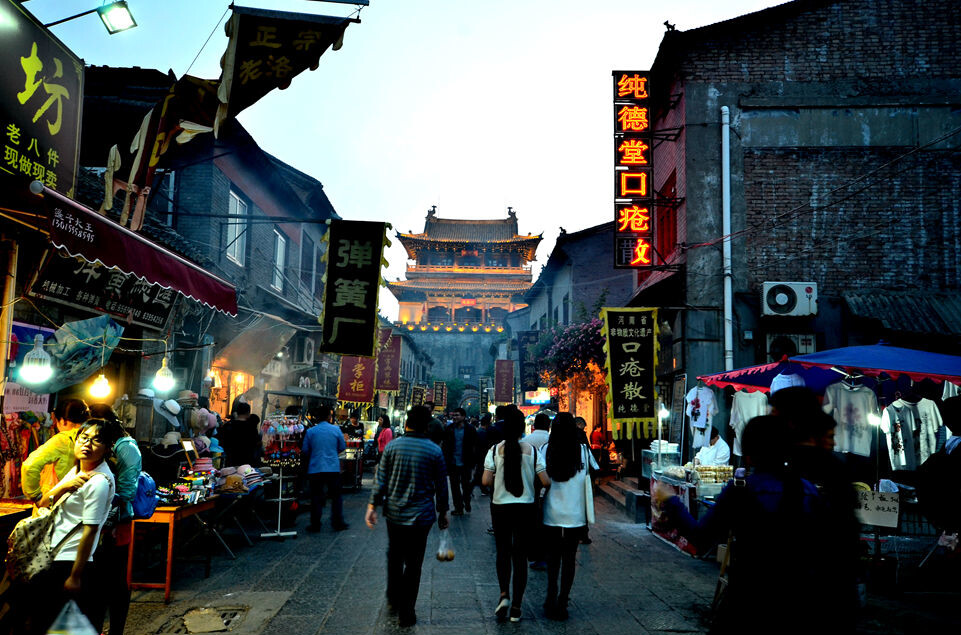
When planning a visit, use “Luoyang” in map apps and travel searches. This will help you find the city’s famous attractions, including the Longmen Grottoes, White Horse Temple, Luoyang Old Town, and the Luoyang Museum.
- Modern maps and transport: Train stations, airports, maps, and navigation apps generally identify the city as “Luoyang.”
- Historical reading: Older English-language books and historical sources may refer to the city as “Lo Yang” or “Lo-yang.”
- Travel searches: Searching for “Luoyang, Henan” will usually provide the most up-to-date information about attractions, hotels, restaurants, and transportation.
- Pronunciation: In Mandarin Pinyin, Luoyang is written as Luòyáng, with tones that help indicate the correct pronunciation.
A Traveler’s Guide to the Name Luoyang
Understanding the difference between “Lo Yang” and “Luoyang” makes it easier to connect historical sources with modern travel information. The following tips can help you navigate the city and learn more about its past.
- Use “Luoyang” when searching for travel information: This is the standard modern spelling used for attractions, accommodation, transportation, and local services.
- Look for 洛阳 in Chinese: These characters identify Luoyang and can be useful when checking signs, tickets, maps, and train information.
- Recognize “Lo Yang” in older sources: If you see “Lo Yang” in a history book or an older travel account, it refers to the same city.
- Explore the city’s historical layers: Luoyang served as a capital for several Chinese dynasties and is home to remarkable sites such as the Longmen Grottoes and White Horse Temple.
- Ask a local guide: A knowledgeable guide can explain the city’s history, pronunciation, and cultural landmarks as you explore them.
Whether you encounter “Lo Yang” in a historical text or “Luoyang” on a modern map, both names point to one of China’s most important ancient capitals. Today, Luoyang welcomes visitors with UNESCO-listed Buddhist art, historic temples, museums, traditional food, and a rich cultural heritage.
About Luoyang Joy Tours
Luoyang Joy Tours is a locally based travel agency in Luoyang, specializing in private tours for international travelers across Luoyang, Shaolin, Xi’an and Central China. English-speaking guides, flexible itineraries and door-to-door service.
Learn more about us or browse all our tours.