
Blog
How Luoyang in China Became a Hub for Buddhism and the Silk Road

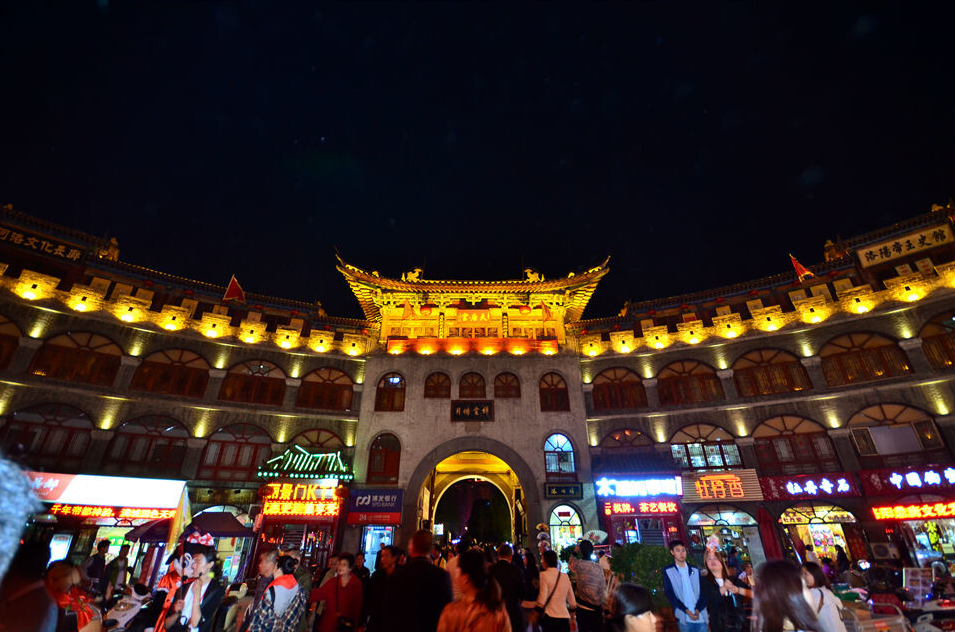
How Luoyang in China Became a Critical Link Between Buddhism and the Silk Road
Many understand that the Silk Road was a conduit for goods, but fewer grasp how it transmitted transformative ideas. The question of how Buddhism, an Indian philosophy, took root so deeply in China often leads to a single location: Luoyang. This city wasn’t merely a stop on a trade route; it was the engine. Its unique position as a dynastic capital provided the political power, financial resources, and cultural gravity necessary to transform foreign concepts into a cornerstone of Chinese civilization. For centuries, the story of Luoyang in China was the story of cultural and spiritual exchange on an epic scale.
Understanding this connection is crucial for anyone studying the region’s history or engaging with its cultural heritage. It explains why sites like the Longmen Grottoes exist and reveals the deep historical currents that shaped the nation. Luoyang’s role was not accidental; it was the direct result of its strategic importance as the political heart of multiple powerful dynasties that controlled the eastern terminus of the world’s most vital trade network.
Why Luoyang Was the Silk Road’s Eastern Anchor
Before Luoyang could become a center for Buddhism, it first had to be a center for everything else. Its strategic location on the Central Plain of China made it a defensible and fertile prize, leading it to become the capital for numerous dynasties, most notably the Eastern Han and the Northern Wei. This imperial status was the primary driver of its economic and cultural significance, creating the conditions necessary for the Silk Road to terminate there.
An imperial capital functions as a massive economic hub. The court’s demand for luxury goods—from Central Asian horses to Persian silver and Roman glassware—pulled trade caravans across the continent. Merchants, diplomats, and artisans didn’t just travel to “China”; they traveled to the seat of power, which for long, critical periods was Luoyang. This created a stable, high-value destination that justified the immense risks of transcontinental travel.
This stability and demand had several practical effects:
- Infrastructure Development: Imperial authorities invested heavily in roads, garrisons, and courier stations leading to the capital, making the eastern sections of the Silk Road more secure and reliable than the volatile western portions.
- Concentration of Wealth: As the political center, Luoyang accumulated vast tax revenues and tribute. This wealth funded not only the imperial court’s consumption but also large-scale projects, including the temples and translation centers that would later become vital for Buddhism.
- Cultural Magnetism: A capital city is a melting pot. It attracts the brightest scholars, most talented artisans, and ambitious officials from across the empire. This created an environment of intellectual curiosity and openness to new ideas arriving from the West.
Without its role as an imperial capital, Luoyang would have been just another city along the Yellow River. Instead, its political power made it the undeniable economic and cultural center of gravity, ensuring that the most valuable goods, people, and ideas of the Silk Road era would inevitably flow to its gates.
The Route to Enlightenment: How Imperial Power and Trade Fused
The connection between Luoyang’s imperial status, the Silk Road, and the rise of Buddhism was not a coincidence but a direct causal chain. Each element created the necessary conditions for the next, turning the city into a crucible for one of the most significant cultural transformations in world history. Understanding this route-based progression is key to appreciating why Luoyang, and not another city, became the cradle of Chinese Buddhism.
Here is a step-by-step breakdown of how these forces interconnected:
-
Step 1: Imperial Capital as a Gravity Well.
- What it is: Luoyang’s designation as the capital of powerful dynasties like the Eastern Han (25–220 AD) and Northern Wei (386–534 AD).
- What it caused: This status concentrated immense political power, military authority, and national wealth in one location. It created an unparalleled demand for luxury goods, skilled labor, and exotic curiosities to serve the imperial court and the city’s elite.
-
Step 2: Economic Demand Solidifies Trade Routes.
- What it is: The court’s demand for goods from the West (e.g., horses, jade, spices, glass) provided a powerful economic incentive for merchants.
- What it caused: This established Luoyang as the primary eastern terminus of the Silk Road. The route wasn’t just a vague path; it was a supply chain aimed directly at the empire’s largest consumer: the capital. The state, in turn, invested in protecting these routes to ensure the flow of goods and tribute.
-
Step 3: Trade Routes Carry More Than Goods.
- What it is: Merchants, monks, and diplomats traveled alongside the caravans. They brought not only their wares but also their philosophies, sciences, and faiths.
- What it caused: Buddhist monks, particularly from Central Asia and India, arrived in Luoyang with scriptures and knowledge. They found a cosmopolitan city already accustomed to foreign people and ideas, making it a receptive environment.
-
Step 4: Imperial Patronage Provides Legitimacy and Resources.
- What it is: Rulers and elite members of the court became interested in the new philosophy. Emperor Ming of the Eastern Han is famously credited with the dream that led to the first Buddhist mission to China.
- What it caused: State sponsorship elevated Buddhism from a strange foreign cult to a respected philosophy. This patronage provided land, funding, and political protection for building temples, most notably the White Horse Temple, traditionally considered the first in China. It legitimized the religion in the eyes of the populace.
-
Step 5: Centralization Fosters Systematic Development.
- What it is: Luoyang became home to the first large-scale, state-sponsored Buddhist institutions.
- What it caused: These institutions became centers for the systematic translation of Sanskrit scriptures into Chinese. This was a monumental intellectual project requiring immense resources and the collaboration of foreign monks and Chinese scholars—something only possible in a major political and intellectual center like Luoyang in China. This process adapted and integrated Buddhist concepts into the Chinese language and worldview, allowing it to spread far beyond the city.
Assessing Historical Impact: Common Misconceptions
When studying the historical significance of Luoyang, several common oversimplifications can lead to a flawed understanding. For researchers, students, or cultural heritage professionals, recognizing these nuances is critical for accurate analysis. The city’s development was not a simple, linear story but a complex interaction of culture, politics, and geography.
This table clarifies some common points of confusion, contrasting them with the documented historical reality.
| Common Misconception | Historical Reality |
|---|---|
| Luoyang was just a trading post on the Silk Road. | Luoyang was the destination, not just a stop. As the imperial capital for key dynasties, it was the political and economic engine that drove demand, making the eastern Silk Road economically viable. Trade was directed to Luoyang, not just through it. |
| Buddhism arrived in China fully formed. | Buddhism underwent a massive transformation in Luoyang. The city’s institutions housed the first great translation projects, where monks like An Shigao and Dharmarakṣa worked for decades to render complex Sanskrit concepts into Chinese. This process fundamentally shaped East Asian Buddhism. |
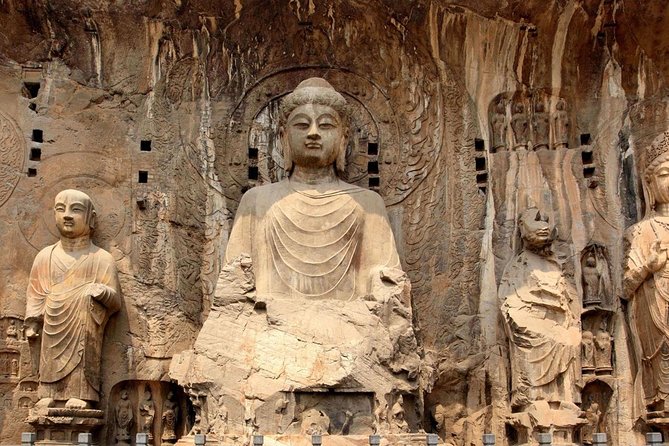
| The White Horse Temple was the only important site. | While the White Horse Temple holds primacy as the “first,” the Northern Wei dynasty later made Luoyang their capital and initiated the carving of the Longmen Grottoes. This massive project, spanning centuries, represents a later, more mature stage of Buddhist patronage and artistic expression, demonstrating the city’s enduring importance. |
| Once established, Luoyang’s importance was constant. | Luoyang’s fortunes rose and fell with the dynasties that occupied it. The city was destroyed and rebuilt multiple times. Its period of greatest influence as the Silk Road’s Buddhist hub was concentrated during the Eastern Han and Northern Wei periods. Later capitals, like Chang’an (modern Xi’an) and Beijing, would eventually supersede it. |
A Researcher’s Checklist for Identifying Silk Road Influence in Luoyang
For those visiting or studying the historical sites of Luoyang, identifying the tangible evidence of the Silk Road and early Buddhist exchange requires a trained eye. It’s not just about appreciating the art but understanding the story it tells of cross-cultural interaction. Use this checklist to guide your inquiry at key locations.
Decision Checklist: Finding Cross-Cultural Traces
-
[ ] Iconography at Longmen Grottoes:
- What to look for: Examine the artistic styles of the Buddha and Bodhisattva figures. Do you see Greco-Indian (Gandharan) influences, such as wavy hair, heavier robes with naturalistic folds, and more rounded facial features? These are hallmarks of early styles transmitted via the Silk Road before becoming more distinctly Chinese.
- Why it matters: This stylistic evidence is a direct visual link to the Central Asian and Indian origins of the artisans and monks who influenced the projects.
-
[ ] Architectural Layout at White Horse Temple:
- What to look for: While rebuilt many times, the temple’s core concept—a state-sponsored monastery complex for foreign monks—is a historical artifact. Look for stupa-inspired pagodas and halls dedicated to housing scriptures (sutras).
- Why it matters: The very existence of such a facility, established by imperial decree to house monks from India, is the foundational event linking Luoyang to Buddhism.
-
[ ] Votive Inscriptions and Donor Images:
- What to look for: In the caves at Longmen, look for inscriptions (if translations are available) or carved images of donors. Note the clothing and titles of the patrons. Many were Northern Wei royalty and aristocrats of Xianbei ethnicity.
- Why it matters: These inscriptions confirm that the patronage came from the highest levels of a dynasty with roots in the north, demonstrating how non-Han rulers adopted and promoted Buddhism as a tool of statecraft and cultural expression.
-
[ ] Museum Artifacts (Luoyang Museum):
- What to look for: Seek out artifacts excavated from tombs of the period, such as Sogdian coins, Central Asian-style pottery, and figurines of camels and non-Han merchants.
- Why it matters: These everyday objects provide concrete proof of the vibrant international community that lived in Luoyang, forming the social backdrop against which religious and philosophical ideas were exchanged.
By using this framework, one can move beyond simple appreciation and begin to actively analyze the historical layers present at these world-class heritage sites, seeing them not as static monuments, but as the dynamic result of centuries of global exchange.
For detailed analysis or support on cultural heritage projects related to Luoyang, contact our technical team for specialist insights.
About LyWOW Tours
LyWOW is a locally based travel agency in Luoyang, specializing in private tours for international travelers across Luoyang, Shaolin, Xi’an and Central China. English-speaking guides, flexible itineraries and door-to-door service.
Learn more about us or browse all our tours.
