 By
By How Ancient Artisans Carved the Luoyang Longmen Grottoes Into Solid Limestone Cliffs
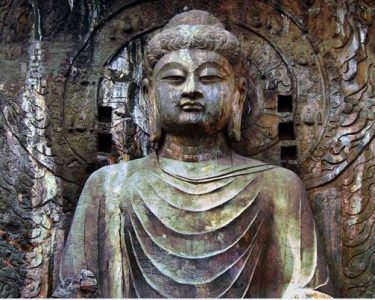
Anyone standing at the base of the cliffs along the Yi River asks the same question: how did workers with hand tools cut thousands of niches and statues into raw rock, and keep the whole cliff face structurally sound while doing it? The answer to how luoyang longmen grottoes came into being isn’t one technique but a layered combination of geology, planning discipline, and generations of carving knowledge passed between dynasties. Understanding that combination changes how you look at the site once you’re standing in front of it.
The Carving Question Cultural Travelers Ask Most Often
The short answer: artisans worked from the top of a planned niche downward, using the natural bedding of the limestone as a guide rather than fighting against it. This wasn’t improvised. Carving a Buddhist niche into a living cliff face is unforgiving — there’s no way to “add material back” if a cut goes wrong, unlike wood or clay work. So the process depended on reading the rock first, then committing to cuts that couldn’t be undone.
This is also why the caves at Longmen look different from cave complexes carved into softer stone elsewhere in Asia. The rock itself dictated what was possible, and the artisans’ planning had to work around that constraint rather than override it.
Why Limestone Geology, Cliff Planning, and Dynasty-Era Methods Shaped the Cave Complex
Three factors converged to produce the cave complex as it exists today: the physical properties of the limestone bedrock, the planning approach to the cliff face, and the tool techniques available during each carving period. Getting any one of these wrong — as later, hastier restoration attempts occasionally did — produces visible structural or artistic problems that are still detectable today.
| Factor | What It Actually Controls | What Happens If Misjudged |
|---|---|---|
| Limestone bedding planes | Where a carver could cut cleanly versus where the stone would fracture unpredictably | Cracked statue faces, collapsed niche ceilings, uneven surface texture |
| Cliff-face orientation and sun exposure | How deep a niche could be carved before losing usable daylight for fine detail work | Shallow, poorly detailed carvings in badly lit sections of the cliff |
| Dynasty-era tool technology | The level of facial and drapery detail achievable, and how fast a niche could be finished | Blocky, simplified figures in periods with less refined chisel work |
| Structural load planning | How close adjacent niches could be carved without weakening the shared rock wall | Wall thinning, later collapse, loss of entire niche clusters over centuries |
Carving began during the Northern Wei dynasty and continued, with major gaps and revivals, into the Tang dynasty — a span of activity covering roughly four centuries. Each period’s contribution reflects the technology and aesthetic priorities of its time: Northern Wei work tends toward slender, more formal figures, while Tang-era carving shows rounder, more naturalistic modeling. That stylistic shift isn’t just artistic preference — it tracks directly with improvements in chisel precision and a better working understanding of how the local limestone responded to finer tool work over generations of practice.
The Step-by-Step Carving Process, From Quarry Face to Finished Niche
While no single account documents an exact universal procedure, the physical evidence in the caves points to a consistent working sequence:
- Site selection on the cliff face — carvers chose sections with fewer visible fracture lines and adequate rock depth behind the planned niche.
- Rough outline cutting — a shallow outline marked the niche boundary before any deep removal began, preventing wasted effort on a poorly placed cut.
- Bulk stone removal — coarse chiseling cleared the bulk of the cavity, working from the outer edge inward and top downward.
- Rough figure blocking — the general posture and proportions of the Buddha or attendant figures were established before any fine detail.
- Detail carving — facial features, drapery folds, and hand gestures were finished last, since these were the most fragile and unforgiving stages.
- Surface finishing — final smoothing and, in many niches, application of pigment or gilding, most of which has faded or worn away over the centuries.
The order matters. Reversing steps four and five — carving fine facial detail before the rough body proportions were locked in — would have made it nearly impossible to correct scale errors, since there was no way to add stone back.
Common Misconceptions About How the Grottoes Were Made
- “It was all done by one dynasty.” In reality, carving activity spanned multiple ruling periods, with some sections showing clear stylistic breaks where work paused and resumed decades or centuries later.
- “Every niche was carved from a fixed master plan.” Niche size, depth, and figure grouping vary widely across the cliff, suggesting individual patrons and workshops had considerable independence.
- “The limestone made carving easy compared to granite sites.” Limestone is more workable than granite, but it’s also prone to weathering and micro-fracturing, which is why erosion damage is visible on many exposed figures today.
- “All statues were originally bare stone.” Traces of pigment and gilding found in some niches indicate many figures were originally painted, not left as raw carved rock.
What to Check Before You Visit the Site
For readers planning an on-site visit rather than just researching the topic, a short pre-visit checklist helps you get more out of the time you spend at the cliffs:
- Confirm which sections of the site are open — erosion and conservation work periodically restrict access to specific caves.
- Plan for river-facing versus cliff-facing viewpoints separately; the lighting conditions that affect photography also affected which niches received the most detailed carving originally.
- Look for visible tool marks near cave entrances — these are often more legible than the worn, weather-exposed statues themselves.
- Budget extra time for the larger niche clusters, where the density of carving reflects the site’s World Heritage significance and requires slower, closer viewing than a quick walkthrough allows.
Seen this way, the Luoyang Longmen Grottoes aren’t a single carving achievement but a record of how successive generations of artisans adapted their techniques to one demanding cliff of limestone. That layered history is exactly what makes close, informed viewing worthwhile — the differences between a Northern Wei niche and a Tang-era one are visible once you know what to look for.

If you’re preparing a research brief, itinerary, or academic reference on the site and want source verification or high-resolution reference images, reach out and we can help point you toward the right documentation before your visit.