By
By Unraveling the Ancient Layout of China’s White Horse Temple
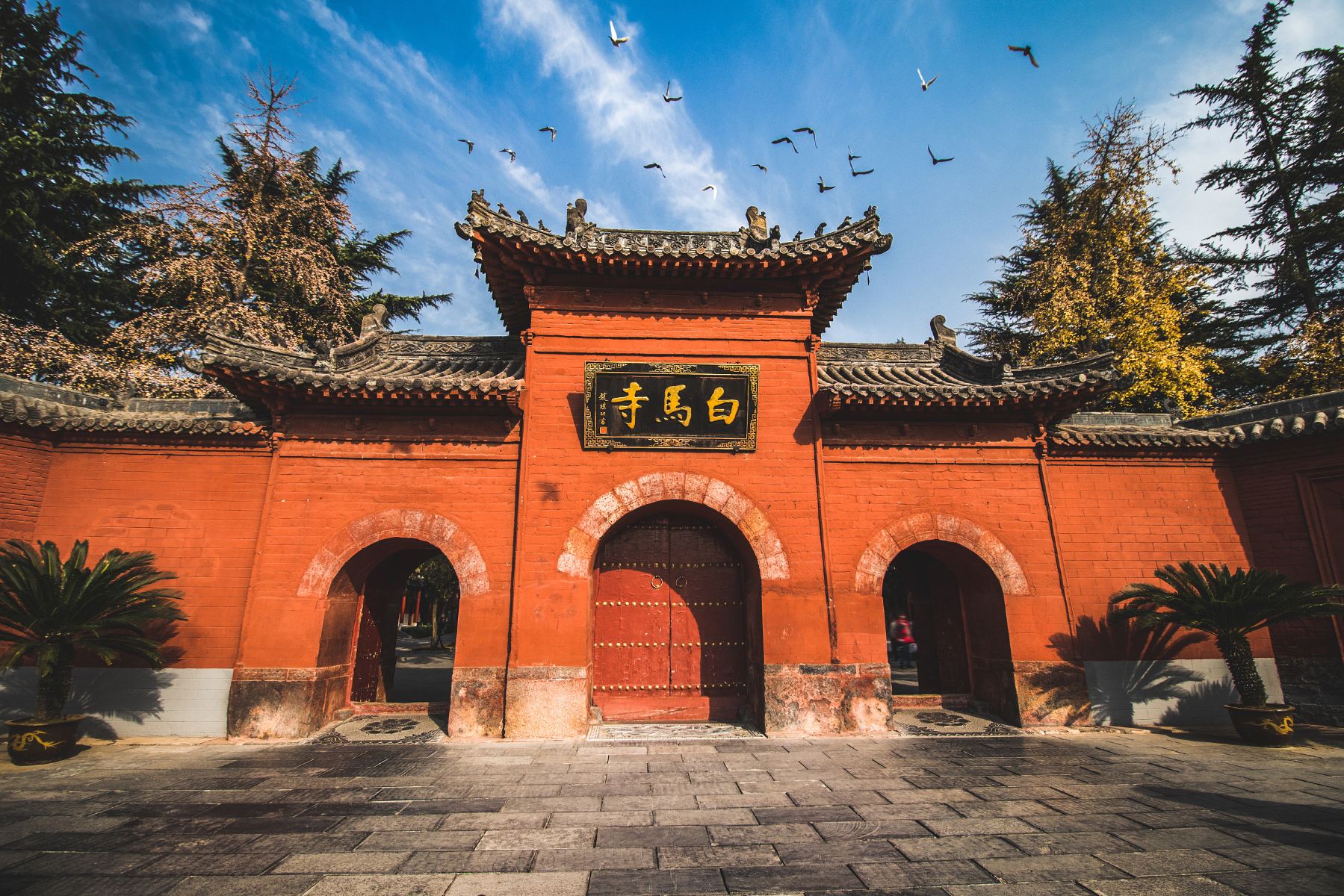
For those engaged in cultural heritage projects, historical site analysis, or even strategic tourism development, understanding the foundational layout of a landmark like the White Horse Temple is essential. Located in Luoyang, Henan Province, this site holds profound significance as the first Buddhist temple in China. Its architectural composition, specifically the interplay of its central axis, the Qiyun Pagoda, and the monks’ tombs, offers critical insights into early Buddhist integration with traditional Chinese design principles. This article aims to provide a spatial breakdown of these key elements, explaining what each landmark reveals about the temple complex and how a nuanced interpretation is vital for any comprehensive study or development.
The Historical Significance of White Horse Temple’s Architectural Design
The White Horse Temple, established in 68 AD during the Eastern Han Dynasty, marks a pivotal moment in the history of Buddhism in China. Its very inception, traditionally linked to Emperor Ming’s dream and the arrival of Indian monks on white horses, set a precedent for future Buddhist temple constructions. The initial layout, though significantly altered and expanded over centuries, laid the groundwork for the temple’s enduring spiritual and architectural identity. Understanding the original intent behind its design elements is not merely an academic exercise; it’s a practical foundation for anyone looking to appreciate or engage with historical preservation and cultural narrative.
Early Buddhist architecture in China often adapted existing palace or dwelling styles, integrating monastic functions into familiar forms. The White Horse Temple exemplifies this synthesis, reflecting a blend of Indian stupa design influences with traditional Chinese courtyard layouts. This evolution is crucial because it demonstrates a dynamic cultural exchange, impacting religious practice and architectural vocabulary across the region. When analyzing such a site, recognizing these layered influences helps in distinguishing original features from later additions, providing a clearer picture of its historical development.
Key historical layers influencing the temple’s design include:
- Eastern Han Dynasty (68 AD): Initial establishment, likely a simpler monastic complex adapting local structures.
- Tang Dynasty (618–907 AD): Significant expansion and reconstruction, solidifying many of the grand architectural elements seen today.
- Song, Yuan, Ming, and Qing Dynasties: Subsequent renovations and additions, each leaving a distinct imprint on the temple’s layout and artistic details.
- Modern Era: Ongoing preservation and restoration efforts, aiming to maintain historical integrity while accommodating contemporary visitors and scholarly research.
Each period contributed to the complex tapestry that is the White Horse Temple today, making a detailed spatial analysis indispensable for accurate historical interpretation.
Decoding the White Horse Temple Complex: Axis, Pagoda, and Tombs
To truly grasp the White Horse Temple’s essence, one must move beyond a superficial viewing of its individual components. A spatial breakdown reveals how the central axis, the Qiyun Pagoda, and the monks’ tombs function not as isolated structures, but as interconnected elements that articulate the temple’s spiritual narrative, historical lineage, and architectural philosophy. Misinterpreting their relationships can lead to a fundamental misunderstanding of the site’s profound significance.
| Landmark | Spatial Role / Location | Historical/Religious Significance Revealed | Insight Lost (if misunderstood) |
|---|---|---|---|
| Central Axis | The primary north-south alignment defining the main temple halls (Hall of Heavenly Kings, Hall of Great Buddha, Hall of Mahavira, Hall of Preaching). Guides visitor flow and spiritual progression. | Emphasizes hierarchical order and spiritual journey. Reflects traditional Chinese palace architecture adapted for monastic use, signifying the emperor’s patronage and the institutionalization of Buddhism. The axis directs focus towards the most sacred spaces. | Missing the intentional progression of enlightenment; viewing halls as mere separate buildings rather than stages in a spiritual path. Underestimating the temple’s role as a state-sanctioned religious institution. |
| Qiyun Pagoda | Located outside the main temple complex, to the southeast. A brick pagoda, distinct from the wooden structures of the main halls. | One of the earliest existing pagodas in China, dating back to the Jin Dynasty (rebuilt in the Song Dynasty). Represents the vital Indian stupa tradition, initially housing relics. Its separation from the main axis highlights its distinct historical function and architectural lineage, perhaps predating the full integration of pagodas into central temple layouts. It stands as a testament to the early transmission of Buddhist architectural forms. | Failing to recognize the distinct evolution of the pagoda form in China; assuming all structures are uniformly integrated. Overlooking its unique position as a surviving early example of brick pagoda construction, separate from the primary wooden hall tradition. |
| Monks’ Tombs | Located to the west of the main temple complex, specifically housing the remains of the two Indian monks, Kasyapa Matanga and Dharmaratna, who introduced Buddhism to China. | Honors the founding patriarchs of Chinese Buddhism, underscoring the temple’s status as the birthplace of the religion in the country. Their placement, slightly removed but clearly associated with the main complex, signifies reverence for spiritual lineage and the historical continuity of the dharma. It reinforces the narrative of the White Horse Temple as a living tradition. | Underestimating the temple’s role as a memorial site; missing the tangible link to the earliest propagators of Buddhism. Viewing the tombs as mere graves rather than sacred monuments integral to the temple’s narrative and historical claim. |
Each component of the White Horse Temple contributes to a holistic understanding of its historical and cultural role. The central axis is not just a path; it is a meticulously planned spiritual journey. The Qiyun Pagoda is not merely a tower; it is a surviving artifact of early Buddhist architectural adaptation. The monks’ tombs are not just burial sites; they are profound markers of the religion’s origin in China. A comprehensive analysis requires appreciating these distinct yet interconnected narratives.
Practical Insights for Architectural Analysis at White Horse Temple
For B2B entities involved in cultural tourism, historical preservation, or academic research, a structured approach to analyzing sites like the White Horse Temple is critical. Superficial engagement risks missing crucial details that inform accurate historical narratives, effective conservation strategies, and authentic visitor experiences. Our technical team emphasizes a framework that moves beyond casual observation to deep contextual understanding.
Common Misconceptions When Interpreting Ancient Temple Layouts:
When approaching an ancient and continuously modified site like the White Horse Temple, certain pitfalls can obscure accurate interpretation. Avoiding these mistakes ensures a more robust analysis:
- Assuming Uniformity: It’s a mistake to assume all structures within a complex date from the same period or follow a single, unified architectural style. Sites like the White Horse Temple evolve, and discerning the different dynastic influences in construction techniques, materials, and decorative motifs is paramount.
- Ignoring External Context: Focusing solely on the temple’s interior without considering its broader geographical, political, and cultural context (e.g., its relationship to Luoyang as an ancient capital, its imperial patronage) leads to an incomplete understanding of its significance.
- Overlooking Symbolism: Many architectural elements, from roof ornaments to the placement of statues, carry deep symbolic meaning in Buddhist and Chinese culture. Dismissing these as mere decorations misses a layer of communication intrinsic to the design. For example, the orientation of a hall or the number of tiers on a pagoda often holds specific religious or cosmological significance.
- Disregarding Materiality and Construction: The types of wood, brick, or stone used, and the methods of joinery or masonry, are not just technical details. They reveal available resources, technological capabilities of the era, and even trade routes. Ignoring these aspects means losing insight into the economic and industrial history embedded in the architecture.
- Failing to Trace Evolution: Viewing the temple as a static entity rather than a dynamic complex that has undergone numerous destructions, reconstructions, and modifications over millennia. A critical analysis must attempt to trace these changes, identifying original foundations, later additions, and modern restorations.
To provide actionable advice, we recommend an analytical checklist for any team undertaking a study or project involving the White Horse Temple:
Architectural Analysis Checklist for Cultural Heritage Projects:
- Historical Layering Analysis:
- Identify documented periods of construction, destruction, and renovation.
- Visually distinguish architectural styles from different eras within the complex.
- Consult archaeological reports and historical texts to corroborate observations.
- Spatial Function Mapping:
- Map the primary functions of each hall, courtyard, and peripheral structure.
- Analyze pedestrian flow patterns and their intentionality, particularly along the central axis.
- Consider the relationship between sacred spaces and secular functions (e.g., administrative offices, living quarters).
- Material and Construction Assessment:
- Document primary building materials (wood, brick, stone) and their origins.
- Examine construction techniques (e.g., mortise and tenon joinery, brick bonding patterns).
- Assess the condition of original materials versus restored or replaced elements.
- Symbolic Interpretation:
- Research the iconography of statues, murals, and architectural decorations.
- Understand the significance of orientation, cardinal directions, and cosmological principles in the layout.
- Interpret the role of specific features like pagodas, stupas, and memorial steles within the Buddhist context.
- Contextual Integration:
- Relate the temple’s architectural style and scale to other contemporary structures in Luoyang and China.
- Consider the temple’s role in local community life and national identity throughout its history.
- Analyze how the site has been presented and interpreted in different historical periods and how that impacts current understanding.
By systematically applying these analytical lenses, stakeholders can develop a profound and accurate understanding of the White Horse Temple, moving beyond its iconic status to appreciate its intricate architectural and historical narrative. This depth of understanding is invaluable for responsible preservation, authentic tourism development, and robust academic discourse.
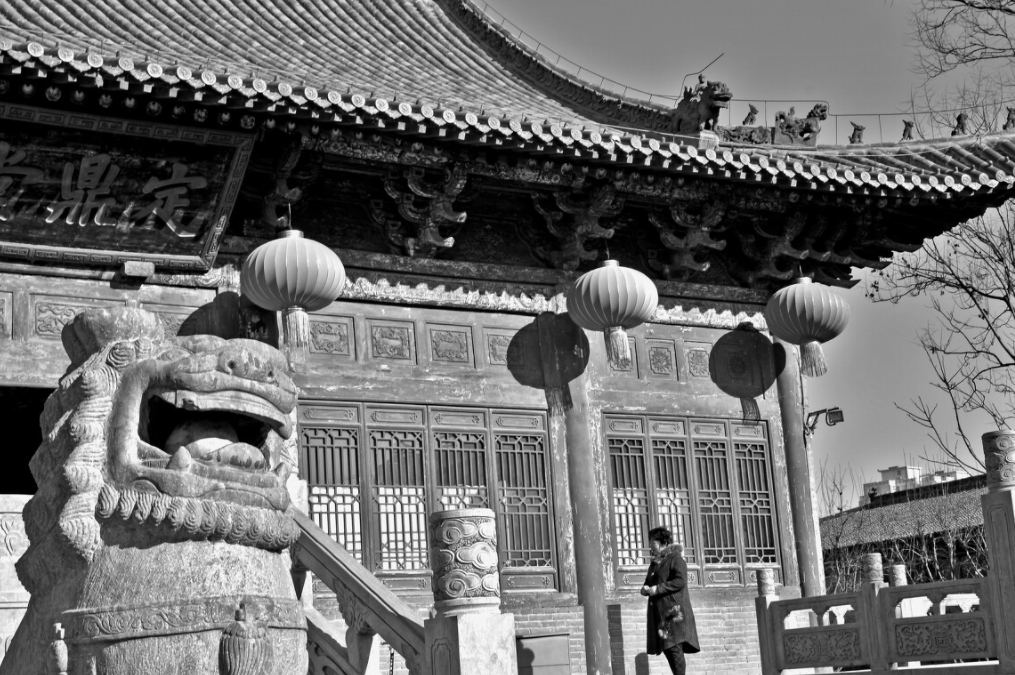
For further insights into the rich history and architectural evolution of the White Horse Temple, exploring authoritative sources such as Wikipedia’s entry on the White Horse Temple can provide a comprehensive overview and additional historical context.
Should your organization require expert consultation on historical site analysis or cultural heritage project planning, our technical team is available to discuss your specific needs.