 By
By Luoyang City Combines a Modern Prefecture and an Ancient Capital Core
Anyone starting research on Luoyang City runs into the same puzzle within the first few minutes: is this the ancient capital shown in history textbooks, or a modern administrative region with millions of residents and industrial districts? Both descriptions are accurate, but they refer to different scales under the same name. Luoyang City, as it exists on current Chinese administrative maps, is a prefecture-level city in Henan province that contains multiple districts and counties — and only a fraction of that territory overlaps with the historic capital sites tourists usually search for. Understanding this distinction early saves confusion later, whether you’re planning a trip, writing a paper, or sourcing background information for a project tied to the region.
What “Luoyang City” Means on an Administrative Map
In Chinese administrative structure, a prefecture-level city is a mid-level unit that sits between a province and a county. Luoyang City is exactly this kind of unit — it is not a single downtown core but a collection of urban districts, suburban counties, and rural townships governed under one municipal authority. When a government report, shipping label, or travel guide states “Luoyang City,” it is almost always referring to this entire prefecture, not the compact old town most people picture.
This matters for anyone cross-referencing addresses. A factory, university, or scenic spot listed under Luoyang City could sit dozens of kilometers from the historic ruins associated with the same name. The prefecture stretches across plains near the Yellow River and hill country to the west and south, so “Luoyang City” as an address label covers a much larger footprint than the ancient city walls ever did.
Boundary: How Luoyang’s Modern Administrative Area Differs From Its Historic Capital Sites and Old Urban Core
The confusion mostly comes from three overlapping zones that share the same name but serve different purposes. The table below separates them so the distinction is clear before you dig into maps or itineraries.
| Zone | What It Actually Contains | Typical Reason People Search for It | Where Confusion Usually Starts |
|---|---|---|---|
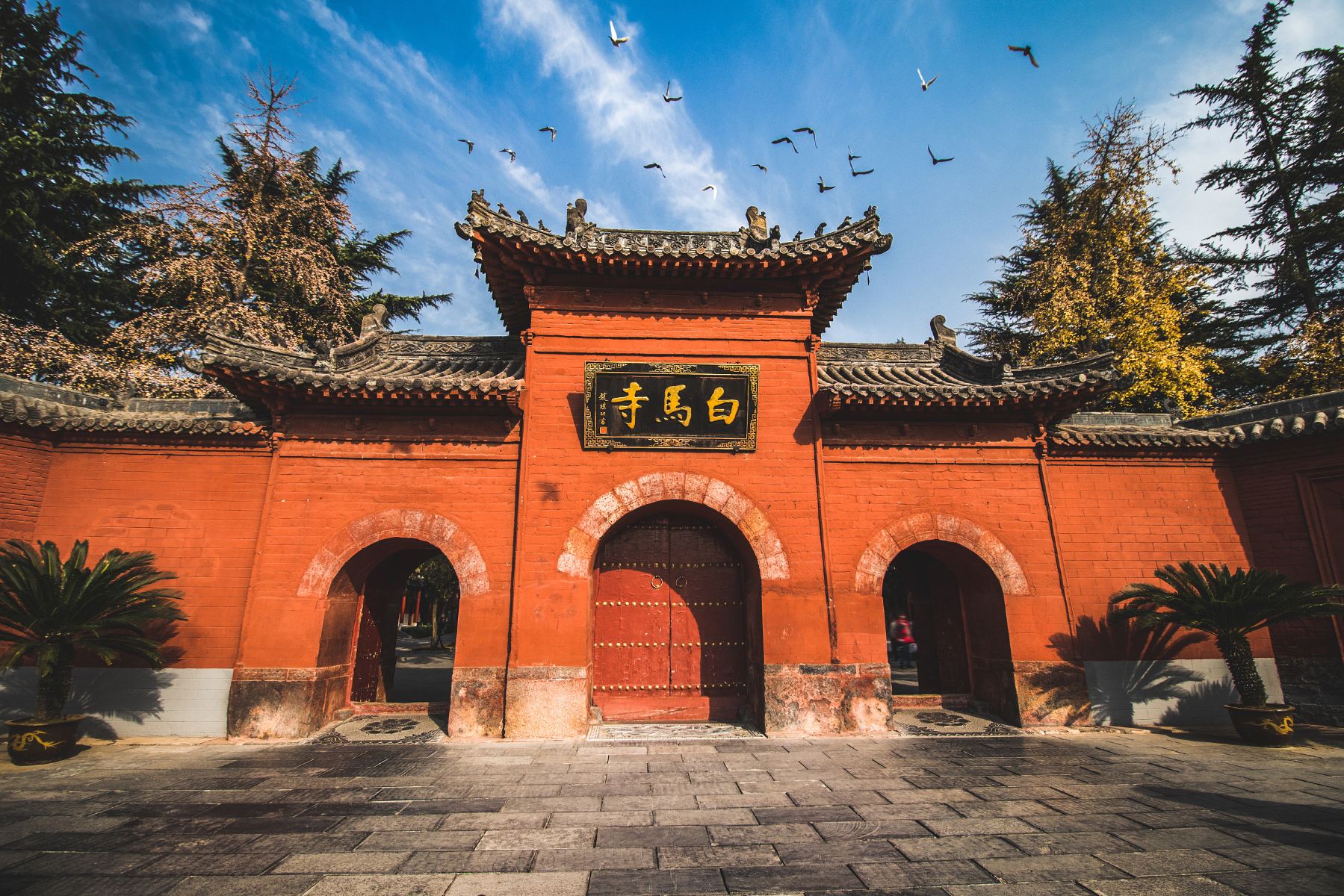
| Historic capital sites | Archaeological remains of past dynastic capitals built near, not inside, today’s built-up area | History research, archaeology, dynasty-era study | Assumed to sit inside today’s downtown, though often several kilometers outside it |
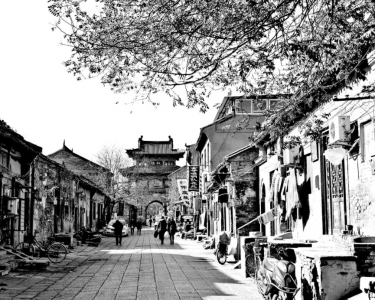
| Old urban core | The traditional walled town area with older streets and heritage neighborhoods | Cultural tourism, walking tours, local food | Mistaken for the entire ancient capital rather than a later urban layer |
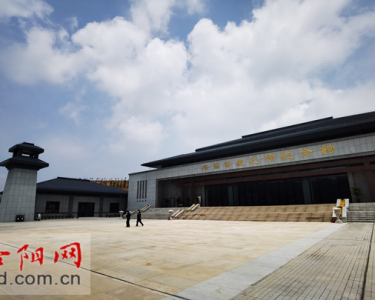
| Modern administrative area of Luoyang City | Newer districts holding government offices, commercial centers, and residential blocks | Business travel, logistics, official addresses | Assumed to be historic simply because it carries the same city name |
The practical takeaway: when a document or map references Luoyang City without specifying a district, it is describing the full prefecture — administrative buildings, industrial parks, and rural counties included. The historic capital sites and the old urban core are only two small parts of that larger picture, and they are not interchangeable with each other either. This distinction applies to general research and travel planning; it does not apply once you already have a specific district or scenic-area name, since that name overrides the broad prefecture label.
How to Identify Which Zone of the City You’re Actually Looking At
Follow this sequence before citing a source or booking a route. Each step includes the checkpoint to confirm and the reason people usually get it wrong.
- Read the full address, not just the city name. Checkpoint: look for a district name or a county name attached after “Luoyang City.” Common failure: readers stop at the city name and assume every address sits in the old core.
- Match the site to a known historic-era label. Checkpoint: historic capital ruins are usually tied to a specific dynasty or ruin-site name, not simply “Luoyang.” Common failure: treating any old-sounding place name as part of the ancient capital without verifying the era.
- Check the site’s position relative to the Yellow River and the Luo River. Checkpoint: historic capital layers tend to cluster along these river corridors, while the modern administrative center has shifted over time. Common failure: assuming the modern downtown and the ancient capital share the same riverside location.
- Cross-check with an official government or tourism source before finalizing plans. Checkpoint: official listings for Luoyang City typically separate “scenic area,” “district,” and “county” clearly. Common failure: relying only on informal travel blogs that blend all three zones into one description.
Common Mistakes When Researching Luoyang’s Geography and History
- Treating “Luoyang City” and “the ancient capital of Luoyang” as identical terms, when the prefecture is far larger than any single historic capital footprint.
- Assuming all heritage sites sit inside the old urban core, when several major ruin sites lie outside the present built-up area entirely.
- Ignoring district-level names in addresses, which leads to wasted travel time between the modern center and outlying historic zones.
- Citing population or size figures for the old core while implying they describe the whole prefecture, which distorts the actual scale.
- Overlooking that Luoyang City has shifted its administrative center across different eras, so the “downtown” of one century is not the downtown of another.
A Quick Checklist Before You Visit or Write About Luoyang
- Confirm whether your source is describing the whole of Luoyang City, the old urban core, or a specific historic site.
- Note the district or county name attached to any address inside the prefecture.
- Verify historic claims against the correct dynastic ruin site rather than the general city name.
- Plan travel time separately for the modern center and any outlying heritage zones — they are rarely walking distance apart.
- When in doubt, ask for the specific district, scenic area, or coordinate rather than relying on the city name alone.
Readers preparing detailed itineraries or academic references around Luoyang City often find it useful to consult additional verified sources, such as heritage bodies like UNESCO for listed sites, before finalizing conclusions drawn from general web searches.
If you’re compiling a report, syllabus, or travel plan that touches on Luoyang City and need a second check on district boundaries or historic-site names, feel free to send your draft or list of locations for a quick review.