 By
By How to Strategically Orient Yourself in Luoyang in China
For first-time visitors, understanding the layout of Luoyang can be challenging. The city’s major historical sites are not conveniently clustered in a single “old town” but are geographically dispersed, while the modern city functions on a separate grid. This guide provides a clear framework for orienting yourself, helping you separate the modern transport and commercial districts from the ancient attraction clusters. Knowing this distinction is the key to efficient planning and a more rewarding visit to this ancient capital in Henan province.
Many visitors arrive expecting a layout similar to other historic cities, where a central ancient core is surrounded by modern development. However, the logic of Luoyang in China is different. Its most famous attractions, like the Longmen Grottoes and the White Horse Temple, lie miles outside the main urban center in different directions. Your hotel location and transport choices should be based on which of these major historical zones you prioritize.
Understanding Luoyang’s Layout: Modern City vs. Historic Sites
The most common point of confusion for visitors is grasping that the modern, operational city and the key historical sites operate in different geographical spheres. Your airport, train station, and hotel will be in the modern city, but your primary reasons for visiting are likely well outside of it. A successful trip to Luoyang in China requires a mental map that treats these areas as distinct zones connected by transport corridors.
Here is a breakdown to help you distinguish between the city’s functional districts and its historical attraction clusters. Use this to decide where to stay and how to allocate your time.
Comparative Orientation: Luoyang’s Districts vs. Attraction Clusters
| Zone Type & Name | Primary Function / Main Attractions | Strategic Value for a Visitor | Limitations |
|---|---|---|---|
| Modern City: Jianxi District | Business, modern shopping, industry, some universities. Location of Luoyang Beijiao Airport (LYA). | Convenient for business travelers and those arriving by air. Offers modern amenities and hotel chains. | Poorly located for accessing the main historical sites without significant travel time. |
| Modern City: Xigong District | Central commercial hub, shopping, dining, and entertainment. Luoyang Railway Station is here. | Excellent transport links via the main railway station and metro lines. A good base for balanced access to different sites. | Can be noisy and congested. Lacks historical atmosphere itself. |
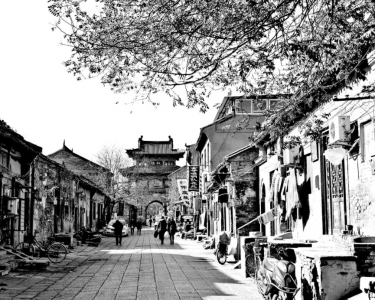
| Modern City: Laocheng District (Old Town) | Reconstructed “old town” area with food streets (e.g., Lijingmen), tourist shops, and some temples. | Offers a lively evening atmosphere and is a good place for dining and experiencing local culture. Closer to the White Horse Temple than other districts. | Not the “real” ancient capital; it’s a rebuilt area. It is not centrally located for reaching the Longmen Grottoes. |
| Historic Cluster: Longmen Grottoes Area | The UNESCO World Heritage Site of the Longmen Grottoes. | This is a primary “destination” zone. You travel to here; you don’t stay here. | Located far south of the city center (approx. 12-15 km). Requires a dedicated half-day trip at minimum. |
| Historic Cluster: White Horse Temple Area | China’s first Buddhist temple, the White Horse Temple, and surrounding international temple gardens. | Another primary “destination” zone. You travel to here for a specific purpose. | Located far east of the city center (approx. 12 km). In a completely different direction from the Longmen Grottoes. |
For most leisure or cultural visitors, staying in the Xigong or Laocheng districts offers the best balance. Xigong provides superior transport connections for reaching both major historic clusters, while Laocheng offers a more atmospheric base for evenings. Business travelers with meetings in the industrial zones may prefer Jianxi. Understanding this fundamental geographic split is the first step in building an efficient itinerary for your time in Luoyang in China.
Strategic Itinerary Planning: Common Mistakes to Avoid
With a clear understanding of the city’s layout, you can avoid the common pitfalls that frustrate first-time visitors. Rushing an itinerary or choosing the wrong base of operations can lead to spending more time in transit than at the sites themselves. Planning a business trip or a cultural tour requires anticipating these challenges.
Here are critical mistakes to avoid when planning your schedule in Luoyang.
- Mistake 1: Underestimating Travel Time. The distance between the Longmen Grottoes and the White Horse Temple is over 25 kilometers. Trying to see both in a single day, along with sites in the city center, is extremely rushed and not recommended. It’s a classic error for those unfamiliar with the geography of Luoyang in China.
- Solution: Dedicate one full day to the Longmen Grottoes and a second day to the White Horse Temple and the Laocheng (Old Town) area. This pacing is more realistic and allows for a deeper appreciation of each site.
- Mistake 2: Staying in the “Wrong” District. Choosing a hotel in Jianxi District because it’s near the airport will result in long daily commutes to the historical attractions. Conversely, staying near the Longmen Grottoes offers little in terms of evening dining or other activities.
- Solution: Review the table in the previous section. Select your district based on your primary goal. For most tourists, Xigong is the most practical choice for its central location and transport links.
- Mistake 3: Ignoring the Metro System. Many visitors rely solely on taxis or ride-sharing apps. While convenient, they are subject to traffic, which can be heavy. The Luoyang Metro is clean, efficient, and directly connects key transport hubs with areas near the main attractions.
- Solution: Familiarize yourself with the metro map. Line 2 is particularly useful, running from the north to Luoyang Longmen Railway Station, a key hub for high-speed trains and a jumping-off point for the grottoes.
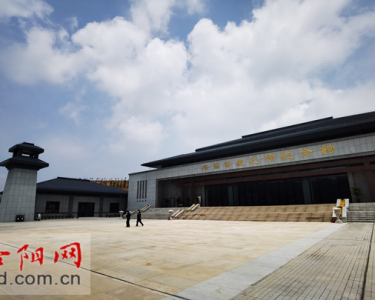
- Mistake 4: Visiting Only the Two Main Sites. While the grottoes and temple are world-class, the city itself has more to offer. The Luoyang Museum offers incredible context for the region’s history as a capital for numerous dynasties. The reconstructed Old Town (Laocheng) is also worth an evening stroll. Neglecting these diminishes the full experience of being in Luoyang in China.
- Solution: Allocate at least a half-day for the Luoyang Museum and an evening to explore the food streets and city walls at Lijingmen in the Laocheng district. We can provide planning a business trip guidance that incorporates these cultural touchpoints.
Transportation Options in Luoyang: A Practical Comparison
Your ability to efficiently navigate between the modern city and the historic clusters depends entirely on your choice of transport. Each option has a distinct advantage depending on your budget, time constraints, and comfort level. Making the right choice is crucial for maximizing your time in a city as spread out as Luoyang in China.
Below is a buyer’s checklist to help you decide on the best mode of transport for different scenarios you’ll encounter during your visit.
Luoyang Transportation Decision Checklist
Use this checklist to match your needs with the right transport option:
-
What is my top priority?
- Cost-Effectiveness: Public Bus is your best option.
- Speed & Avoiding Traffic: Metro is the clear winner for routes it covers.
- Door-to-Door Convenience: Taxi / Ride-Sharing is unmatched.
-
Where am I going?
- Airport (LYA) to City Center: Taxi or a dedicated airport shuttle bus are most practical.
- Luoyang Railway Station to Longmen Grottoes: The Metro (Line 2 to Longmen station, then a short taxi/bus) is efficient. A direct taxi is simpler but subject to traffic.
- City Center (Xigong) to White Horse Temple: A direct bus route (like No. 56 or 58) is very cheap and direct. A taxi is faster but significantly more expensive.
- Between Longmen Grottoes and White Horse Temple: This is a long, cross-city route. A taxi or pre-booked car is the only realistic option; public transport would involve multiple transfers and take too much time.
-
How many people are in my group?
- Solo Traveler or Couple: Metro and public bus are highly economical.
- Group of 3-4: A taxi or ride-share can become cost-competitive with public transport when the fare is split, especially for shorter distances within the city. Our team can help arrange our regional logistics services for larger groups.
-
Do I have local currency and language skills?
- Yes: Public buses are easy to use with cash or a local transport app.
- No: The Metro has ticket machines with English interfaces. Ride-sharing apps handle payment automatically, removing the language barrier for destinations and payment. This is a key advantage for many international visitors exploring Luoyang in China.
By thinking through these questions, you can create a flexible transport strategy. A common and effective approach is to use the Metro for long-haul north-south travel and supplement it with short taxi or bus rides to reach your final destination. This hybrid approach often provides the best balance of cost, speed, and convenience, especially when navigating the key industrial zones and historic sites of Luoyang.
By understanding the fundamental geography of Luoyang and planning your movements strategically, you can transform a potentially confusing trip into an efficient and deeply rewarding exploration of one of China’s most historically significant cities.
For specialized guidance on logistics and planning within the Henan region, reach out to our team.