 By
By How to Build an Efficient 2-Day Luo Yang Itinerary Beyond Major Landmarks
Planning a short but impactful visit to a city like Luo Yang often presents a challenge: how do you move beyond simply listing attractions and instead craft an itinerary that maximizes your experience and minimizes travel friction? For many first-time visitors with limited time, the goal is to experience the depth of Luo Yang without feeling rushed or overwhelmed by logistics. This guide focuses on a strategic approach to itinerary development, emphasizing the sequencing of activities by location and time of day rather than a mere catalog of sites.
Strategic Sequencing: Optimizing Your Luo Yang Exploration
True travel efficiency in a historically rich city like Luo Yang comes from intelligent sequencing. Instead of jumping between distant points of interest, consider how to group locations and activities to create a natural flow throughout your day. This approach ensures you spend more time experiencing and less time in transit.
Here’s a step-by-step procedure for sequencing your Luo Yang itinerary effectively:
-
Map Your Attractions Geographically:
- Clear Conclusion: Group all desired attractions on a map.
- Reasoning: Visualizing proximity immediately reveals potential clusters.
- Scenario: Ideal for cities with distinct districts or widely spread heritage sites.
- Limits: Less effective if all main attractions are tightly clustered; then focus shifts to time-of-day flow.
-
Consider Time-of-Day Suitability for Each Site:
- Clear Conclusion: Assign optimal visiting times (morning, afternoon, evening) to each attraction.
- Reasoning: Museums are best in the morning when crowds are lighter and energy levels high. Outdoor heritage sites benefit from softer morning or late afternoon light. Food streets truly come alive in the evening.
- Scenario: Essential for balancing energy, photographic opportunities, and avoiding peak crowds.
- Limits: May need adjustment based on specific opening hours or seasonal variations.
-
Integrate Meal Times and Breaks Naturally:
- Clear Conclusion: Weave dining experiences into your geographical and temporal flow.
- Reasoning: A well-timed meal near your current attraction saves travel time and enhances the cultural experience.
- Scenario: Perfect for discovering local eateries in historic neighborhoods or near major sites.
- Limits: Requires some research into local dining options beforehand.
-
Factor in Travel Times and Modes:
- Clear Conclusion: Realistically estimate travel duration between sequenced sites.
- Reasoning: Underestimating travel time is a common itinerary killer. Consider walking, public transport, or taxis.
- Scenario: Crucial for connecting geographically distinct clusters or reaching sites outside the city center.
- Limits: Public transport schedules or traffic can introduce variability.
-
Build in Buffer Time and Flexibility:
- Clear Conclusion: Allocate extra time for unexpected delays, longer enjoyment of a site, or spontaneous discoveries.
- Reasoning: A rigid schedule leads to stress. Flexibility allows for deeper immersion and reduces fatigue.
- Scenario: Useful when an exhibition captivates you longer than expected, or you stumble upon a charming alley.
- Limits: Too much buffer can lead to missed opportunities in very short trips.
Common Pitfalls in Itinerary Sequencing:
- Over-scheduling: Trying to fit too many major sites into one day, leading to superficial visits and exhaustion.
- Ignoring opening hours: Arriving at a museum only to find it closed or about to close, wasting valuable travel time.
- Underestimating walkability: Assuming short distances are quick walks when navigating unfamiliar terrain or crowded areas.
- Neglecting local transportation options: Not researching buses or metro lines, relying solely on expensive taxis.
- Forgetting energy levels: Placing high-intensity activities back-to-back without sufficient breaks.
Day 1: Morning to Evening in Western Luo Yang
Applying our sequencing strategy, the first day in Luo Yang can focus on the city’s robust historical narrative and vibrant urban core, primarily in the western and central areas.
Start your day early around 8:30 AM at the Luoyang Museum. As one of China’s most significant regional museums, it houses an impressive collection spanning the city’s long history, from ancient dynasties to modern times. Allocate a solid 3 hours here to absorb the exhibits without rushing. The museum is typically less crowded in the morning, offering a more serene viewing experience. This is an excellent way to grasp the historical context before exploring the physical sites.
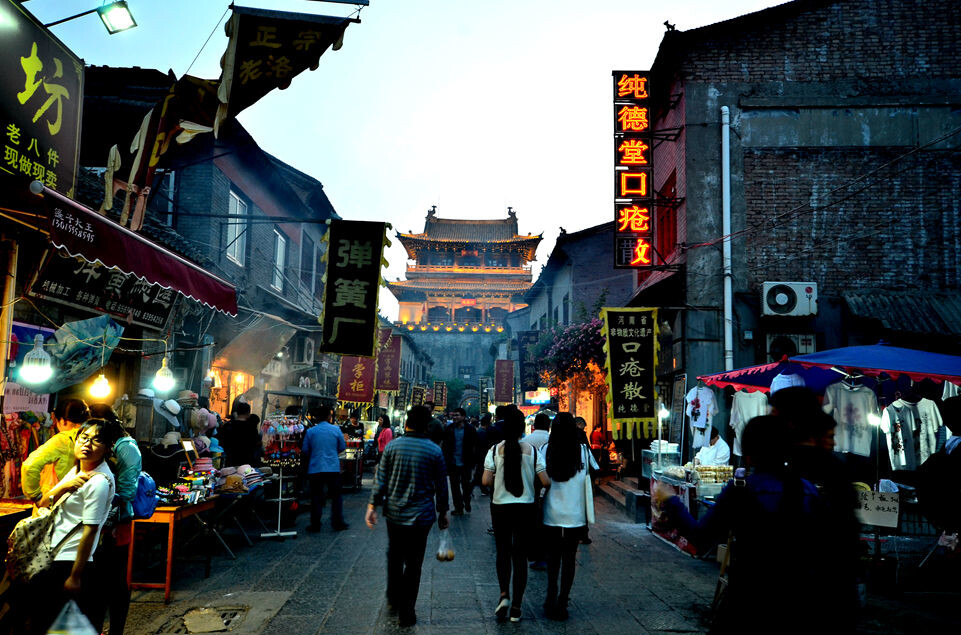
By late morning, around 11:30 AM, head towards the Old City District (Laocheng Qu). This area is a short taxi or bus ride from the museum. Focus your exploration around Lijing Gate, a reconstructed ancient city gate that offers panoramic views. The historic neighborhoods within the Old City are perfect for a leisurely stroll. You’ll find traditional architecture, small shops, and local life unfolding. This area transitions well into lunch.
For lunch, immerse yourself in the local culinary scene within the Old City, particularly around the Lijing Gate food streets. This is where you can sample authentic Luoyang cuisine, from water席 (water banquet) dishes to various street snacks. Spend about 1.5 to 2 hours enjoying the food and the atmosphere. The afternoon light is also good for photography in these bustling lanes.
In the mid-afternoon, around 2:30 PM, you could consider visiting the Tianzi Jialiu Museum (Museum of Luoyang Eastern Zhou Royal Horse and Chariot Pits), which is relatively close to the Old City. This unique underground museum showcases an archaeological discovery of royal chariots and horses from the Eastern Zhou Dynasty. It provides a fascinating, concise historical insight, requiring about 1.5 hours.
As evening approaches, around 5:00 PM, return to a different section of the Old City or explore a modern commercial street for some relaxation and perhaps souvenir shopping. The vibrancy of Luo Yang’s evening markets and illuminated streets offers a different perspective. Conclude your day with dinner at a local restaurant or revisit a favorite food street for more culinary exploration.
Day 2: Eastern Luo Yang and Cultural Immersion
Day two shifts focus to some of Luo Yang’s world-renowned heritage sites located further afield, requiring an earlier start and careful planning.
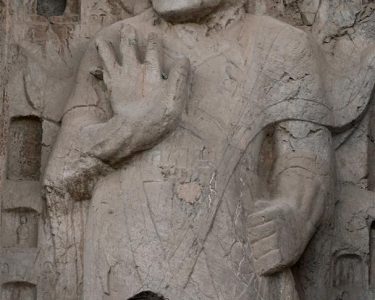
Begin your day early, ideally departing by 8:00 AM, for the Longmen Grottoes. This UNESCO World Heritage site is one of the finest examples of Chinese Buddhist art, featuring tens of thousands of statues carved into the limestone cliffs. Located about 12 kilometers south of central Luo Yang, reaching it early helps beat the main crowds and the midday heat, especially during warmer months. Allow at least 3 to 4 hours to explore both the East and West Hills thoroughly. Wear comfortable shoes as there is significant walking involved.
After your profound experience at Longmen Grottoes, around 12:30 PM, you can find local eateries near the site entrance for a quick and convenient lunch. Alternatively, consider heading towards the White Horse Temple. While slightly further north from Longmen, it forms a logical next step for its historical significance.
By 2:00 PM, arrive at the White Horse Temple (Baima Si), often regarded as the first Buddhist temple in China, established in 68 AD. This serene complex offers a stark contrast to the grandeur of Longmen. Explore its various halls, pagodas, and lush gardens, including the Indian and Thai temple sections. Plan for 2 to 2.5 hours here. The peaceful atmosphere is ideal for an afternoon contemplative visit.
As the afternoon progresses, around 4:30 PM, consider a visit to a local market or a tea house for a more grounded cultural experience. Luo Yang has various markets where you can observe daily life and perhaps purchase local crafts or specialty teas. This provides a break from historical sites and offers a glimpse into contemporary Luo Yang culture. A visit to a local market can also be a unique cultural experience.
Conclude your 2-day Luo Yang journey with a farewell dinner. Depending on your preference, you might opt for a traditional Luoyang restaurant specializing in regional cuisine or explore a more modern dining precinct. Reflect on the rich history and vibrant culture you’ve encountered in this ancient capital.
Common Pitfalls in Luo Yang Itinerary Planning
Even with careful sequencing, certain mistakes can derail a well-intended itinerary. Being aware of these can help you avoid them:
| Common Mistake | Reasoning | How to Avoid |
|---|---|---|
| Ignoring Peak Seasons | Luoyang experiences heavy tourist traffic during national holidays (e.g., May Day, National Day) and the Peony Festival (April). Crowds and prices soar. | Check national holiday calendars and avoid peak travel times if possible. Book accommodations and tickets well in advance during popular periods. |
| Not Pre-booking Tickets | Major attractions like Longmen Grottoes often have timed entry or sell out, especially during busy times. | Utilize official online ticketing platforms or travel agencies to secure tickets for popular sites ahead of time. |
| Underestimating Site Size | Sites like Longmen Grottoes are vast and require significant walking, often more than anticipated. | Read reviews regarding site scale, allocate generous time, and always wear comfortable walking shoes. Bring water and snacks. |
| Language Barrier Challenges | While major tourist spots may have English signage, many local interactions (taxis, small restaurants) can be challenging. | Download a reliable translation app (e.g., Google Translate with offline packs) and learn a few basic Mandarin phrases. Have hotel addresses written in Chinese. |
| Disregarding Local Etiquette | Unfamiliarity with local customs (e.g., quiet in temples, bargaining in markets) can lead to misunderstandings. | Observe locals, be respectful, and research basic cultural norms before your trip. A polite demeanor goes a long way. |
Making the Most of Limited Time in Luo Yang
While a 2-day itinerary requires focus, it’s still possible to gain a profound appreciation for Luo Yang’s immense historical and cultural significance. Prioritize experiences over simply checking off a list. Engage with local vendors, try new foods, and allow yourself moments of quiet reflection at ancient sites. Public transportation in Luo Yang, including buses and a developing subway system, offers an efficient way to navigate the city, especially when connecting different geographical clusters of attractions. Consider downloading a local map application for real-time navigation and public transport routes. For additional insights on optimizing your journey, exploring travel tips specific to ancient cities can be invaluable.
For personalized advice on constructing an itinerary that aligns with your specific interests and logistical needs in Luo Yang, reach out to our team. We can provide further insights to help you plan an unforgettable and efficient visit.