
Blog
Best Time to Visit China Luoyang: A Seasonal Guide

What Is the Best Time to Visit China Luoyang for Business and Culture?
Determining the ideal time for a trip to China Luoyang requires balancing several key factors. The experience of visiting this ancient capital, a cradle of Chinese civilization, shifts dramatically with the seasons. A visit timed for the famous peony bloom will be vastly different from one during the quiet of early winter. For business travelers and cultural tourists alike, aligning your travel dates with your primary objectives is crucial for a successful and efficient trip.
This guide provides a clear, practical framework for making that decision. We will analyze the trade-offs between seasons, covering weather patterns, the status of the city’s famous peonies, crowd density during public holidays, and the general conditions for exploring its world-renowned historical sites. Understanding these variables ensures your visit to Luoyang is productive and memorable, whether your focus is on business meetings or historical exploration.
A Seasonal Guide to Luoyang: Weather, Crowds, and Peonies
Choosing when to visit Luoyang involves a direct trade-off between ideal weather, peak attractions like the Peony Festival, and crowd levels. Each season offers a distinct advantage and a corresponding drawback. The best choice depends entirely on your priorities, whether that’s seeing the city in full bloom, avoiding tourist traffic, or securing the best travel and accommodation rates.
Below is a comparative breakdown to help you weigh the pros and cons of each season for planning your itinerary in this part of Henan province.
| Season | Typical Weather | Peony Status | Crowd & Cost Level | Outdoor Site Conditions |
|---|---|---|---|---|
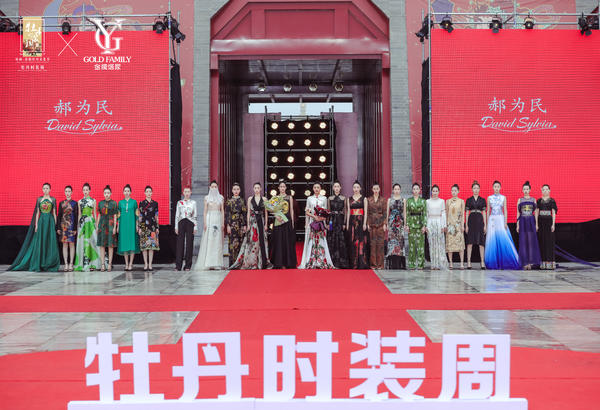
| Spring (March-May) | Mild and pleasant, but can be prone to dust storms. Temperatures are comfortable for walking. | Peak Bloom. The renowned Luoyang Peony Cultural Festival runs through April. This is the city’s main event. | Very High. Expect peak pricing for hotels and transport. Major sites will be crowded, especially during the festival. | Excellent. Comfortable for long hours exploring sites like the Longmen Grottoes and White Horse Temple. |
| Summer (June-August) | Hot and humid, with frequent rainfall. Temperatures often exceed comfortable levels for extended outdoor activity. | No blooms. The parks are green and lush but the main floral attraction is over. | Moderate. Fewer international tourists, but domestic summer holiday travel can still create crowds. | Challenging. The heat can be draining. Plan outdoor visits for the early morning or late afternoon to avoid the midday sun. |
| Autumn (September-November) | Clear, dry, and cool. Widely considered the most pleasant weather of the year, with crisp air and blue skies. | No blooms. Chrysanthemum displays may be present in some parks during late autumn. | High (early) to Moderate (late). The National Day “Golden Week” holiday in early October brings massive crowds. Late October and November are quieter. | Ideal. Perfect conditions for photography and comfortable exploration of all historical and natural sites. |
| Winter (December-February) | Cold and dry, with occasional snow. Temperatures can drop significantly, requiring heavy winter clothing. | Dormant. The landscape is stark and bare, offering a different, more austere beauty. | Low. The quietest time of year, with the lowest prices for accommodation. The exception is the Chinese New Year period. | Manageable but requires preparation. Be prepared for cold winds at exposed sites. Some smaller attractions may have reduced hours. |
Recommendations Based on Your Priorities:
- For Peony Enthusiasts: The choice is clear—mid-to-late April is non-negotiable. You must be prepared for the associated crowds and high costs. Book everything far in advance.
- For Optimal Comfort and Sightseeing: Late September (after Golden Week) through mid-November offers the best balance. You get fantastic weather for exploring outdoor sites without the extreme crowds of the spring festival.
- For Budget-Conscious Travelers: Winter (excluding Chinese New Year) provides the lowest costs and fewest crowds. It’s an excellent time for a focused, quiet tour of museums and indoor sites, with the Longmen Grottoes offering a stark, dramatic beauty in the winter light.
Navigating Luoyang’s Major Festivals and Public Holidays
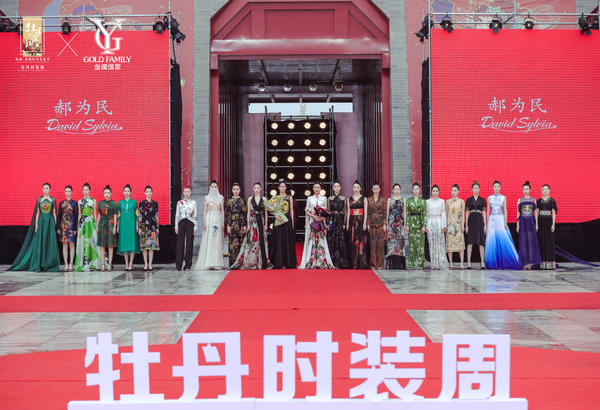
Timing your visit to China Luoyang requires awareness of the national public holiday calendar. Traveling during these peak periods can significantly impact logistics, costs, and the overall experience. While attending a festival can be a unique cultural highlight, arriving unprepared during a major holiday can lead to significant travel disruptions.
The two most impactful periods to be aware of are the Luoyang Peony Cultural Festival and the National Day Golden Week.
- Luoyang Peony Cultural Festival (April): This is the city’s signature event, drawing massive crowds from across China and the world. While it’s the only time to see the peonies in their full glory, it transforms the city. Transportation is strained, hotel availability plummets, and prices for all services increase substantially. If your visit coincides with this, advance booking (3-6 months prior) is not just recommended; it is essential.
- National Day Golden Week (starts October 1st): This week-long national holiday is one of the busiest travel periods in China. Luoyang, with its significant historical sites, is a popular domestic destination. Expect major attractions like the Longmen Grottoes to be extremely crowded, with long queues and congested viewing areas. We strongly advise against planning a first-time visit during this week unless you have specific business that cannot be rescheduled.
- Chinese New Year (late January or February): While many businesses close, this period presents a unique cultural experience. However, it is also the largest annual human migration on earth, making inter-city transport extremely difficult to secure. For business travel, it is a period to avoid.
Common Planning Mistakes to Avoid
Understanding these peak times helps you steer clear of common logistical errors. Here is a list of missteps to avoid when planning your travel schedule.
- Underestimating Holiday Crowds: Do not assume a major historical site will be manageable during Golden Week. The volume of domestic tourism can overwhelm infrastructure.
- Last-Minute Peony Festival Booking: Attempting to book a hotel or train ticket to Luoyang in March for an April trip will likely result in limited, overpriced options or no availability at all.
- Ignoring Shoulder Seasons: Many visitors focus only on April. However, May (after the peonies) and late October/November offer excellent travel conditions with a fraction of the crowds.
- Not Factoring in Transit Time: During peak festivals, local traffic can be severe. A short trip from your hotel to a tourist site can take significantly longer than expected. Build buffer time into your schedule.
–Assuming Business as Usual: During major holidays, especially Chinese New Year, many offices, factories, and non-essential services will be closed. Confirm business appointments and operating hours in advance.
A Strategic Checklist for Your Luoyang Visit
Once you have a general timeframe in mind, the next step is to refine your itinerary with practical considerations. A well-planned trip accounts for both the attractions you want to see and the logistical realities of traveling in the region. This checklist helps ensure you cover the essential planning stages, moving from high-level decisions to detailed preparations.
Pre-Travel Planning Checklist
-
Define Your Primary Goal:
- [ ] Is the main purpose to see the peonies? (If yes, target April and book immediately).
- [ ] Is it for historical and cultural exploration with optimal weather? (If yes, target Autumn).
- [ ] Is the trip primarily for business, with tourism as a secondary activity? (If yes, prioritize your meeting schedule and avoid major holidays).
- [ ] Is budget the most critical factor? (If yes, target Winter).
-
Check the Calendar:
- [ ] Cross-reference your proposed dates with the Chinese public holiday calendar. Identify potential conflicts with Golden Week, Chinese New Year, or other minor holidays.
- [ ] For April visits, confirm the official dates for the Peony Cultural Festival, as they can vary slightly year to year.
-
Secure Core Logistics (3+ Months in Advance for Peak Season):
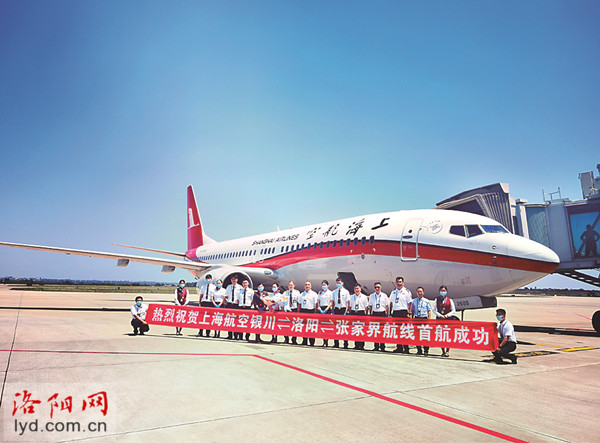
- [ ] Book international and domestic flights.
- [ ] Book high-speed train tickets (if arriving from another Chinese city). Tickets are typically released 15-30 days in advance.
- [ ] Reserve accommodation. Location is key; consider proximity to a subway line for easier navigation.
-
Outline Your Itinerary:
- [ ] List your “must-see” sites (e.g., Longmen Grottoes, White Horse Temple, Luoyang Museum).
- [ ] Group sites geographically to minimize travel time between them. For example, plan the Longmen Grottoes and Guanlin Temple on the same day as they are in the same part of the city.
- [ ] Allocate at least half a day for the Longmen Grottoes; its scale is often underestimated.
-
Prepare for On-the-Ground Practicalities:
- [ ] Arrange for a local SIM card or international data plan.
- [ ] Install necessary apps for translation and navigation.
- [ ] Pack appropriately for the season’s weather, including comfortable walking shoes, rain gear for summer, or thermal layers for winter.
By systematically working through these steps, you can construct a thoughtful and robust travel plan that anticipates challenges and maximizes your time in the historic city of China Luoyang.
For businesses requiring detailed logistical support or on-the-ground coordination for travel to the Luoyang region, our team can provide expert assistance. Contact us to discuss your specific requirements.
