Blog
Choose China Luoyang Sites by History Interest

Choose China Luoyang Ancient-Capital Sites by Your History Interest
Which historical attraction should you visit first when you arrive in china luoyang? The answer depends less on which site is most famous and more on what kind of history holds your attention: carved religious art, excavated city remains, temple traditions, or objects displayed in museum galleries.
China Luoyang was an important capital across multiple periods, so its major attractions do not offer the same type of experience. A visitor interested in monumental sculpture may leave an archaeological park feeling underwhelmed. Someone fascinated by city planning, meanwhile, may find a temple visit meaningful but incomplete. Choosing by interest creates a more coherent day and reduces unnecessary travel between unrelated sites.
This guide helps travelers build a history-focused route in china luoyang by matching personal interests with the sites most likely to reward careful attention. It also explains where each choice has limits, because no single attraction can represent the full historical depth of the city.
Match Your Main Historical Interest to the Right Site
The practical starting point for china luoyang is to choose one primary historical theme before selecting attractions. Do not begin with a long list of landmarks. Begin with the question, “What do I want to understand by the end of the day?” This approach works especially well for visitors with limited time or for groups whose members have different interests.
Use the following comparison table to make an initial choice. Treat the recommendations as a planning tool, not as a strict rule. A site may still appeal to you for reasons outside its main historical category.
| History Interest | Best-Fit Site | What You Will Mainly Encounter | Best For | When It May Not Fit |
|---|---|---|---|---|
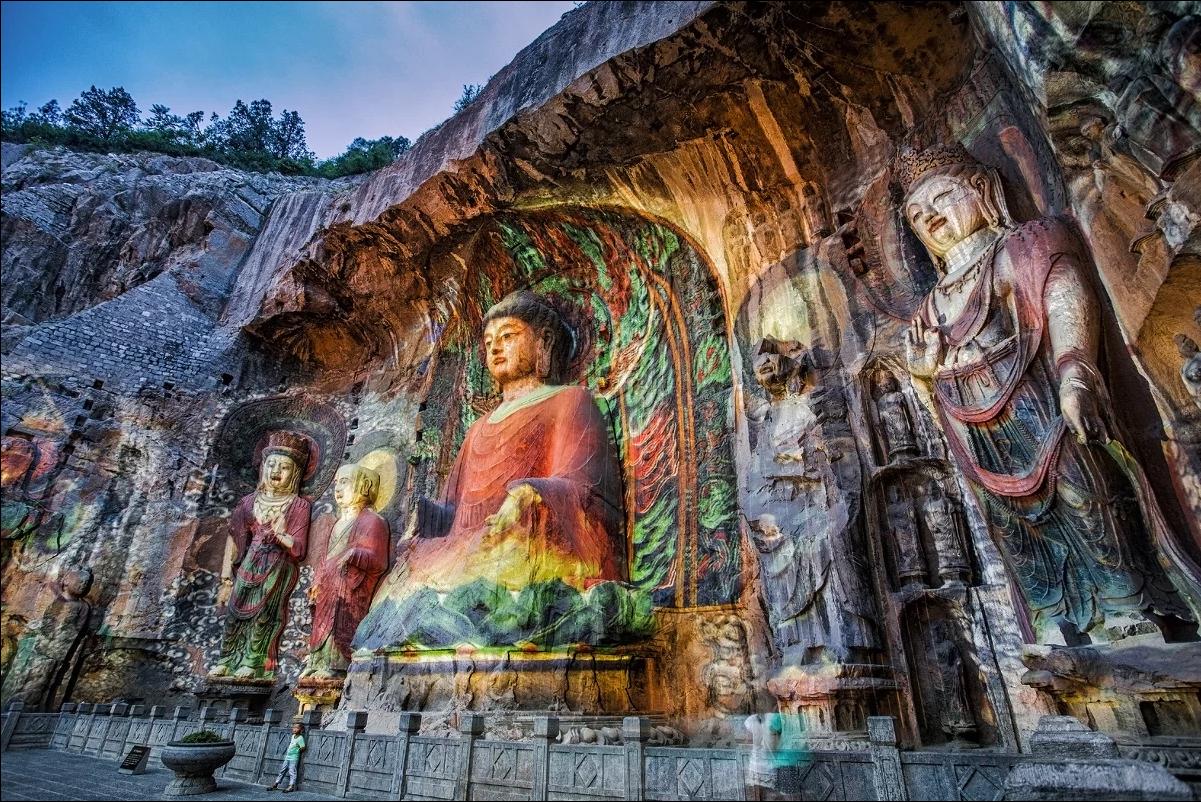
| Buddhist art and sculpture | Longmen Grottoes | Rock-cut caves, carved figures, inscriptions, and a river-valley setting | Visitors who want to study visual religious expression on a large scale | Not ideal if you mainly want excavated palace foundations or museum objects |
| Imperial archaeology and city layout | Sui-Tang Luoyang City archaeological areas | Remains associated with an imperial capital, urban planning, and site interpretation | Visitors interested in how a capital was organized and governed | Less suitable for travelers expecting dense sculpture displays |
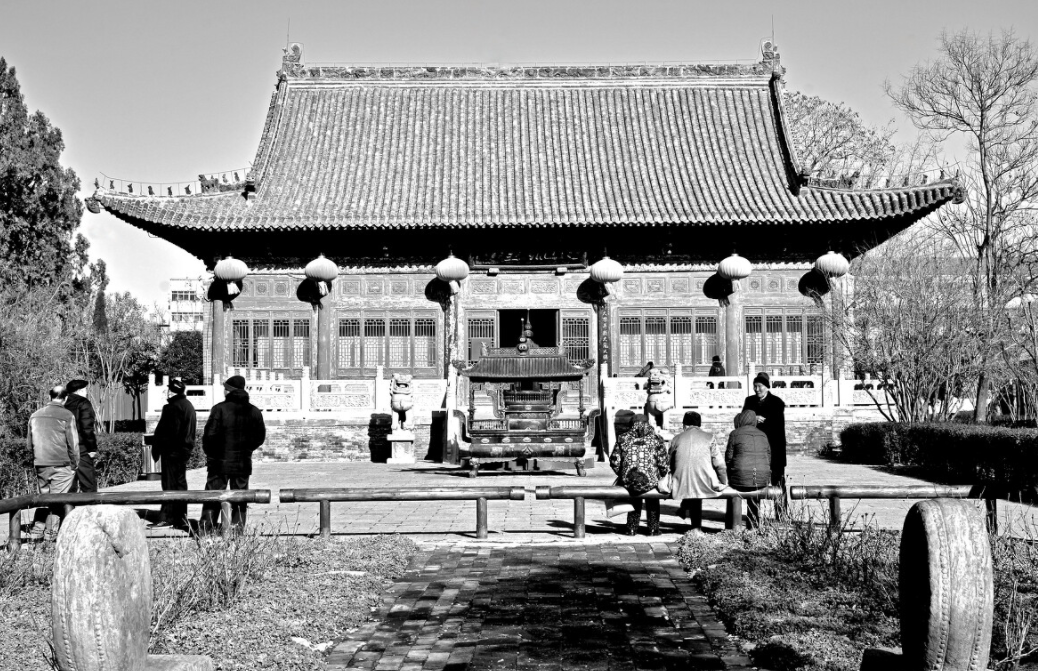
| Temple history and living religious culture | White Horse Temple | Temple spaces, religious architecture, devotional atmosphere, and historical associations | Visitors who prefer a place-based religious visit rather than an archaeological study | Not the strongest choice for a collection-focused museum afternoon |
| Museum collections and chronological context | Luoyang Museum | Objects arranged to support broader understanding of local history and material culture | Visitors who want context before visiting outdoor sites | Less appropriate if your priority is walking through a monumental historic landscape |
For many first-time visitors, china luoyang becomes easier to understand when one site is treated as the anchor and every other stop supports that theme. For example, a Buddhist-art itinerary can begin at a museum for context and then move to Longmen Grottoes for the primary experience. An imperial-city itinerary can reverse that logic by prioritizing archaeological remains and using a museum visit to clarify chronology.
Use a Visitor-Interest Matching Method for Buddhist Art, Imperial Archaeology, Temples, and Museum Collections
The strongest way to choose among china luoyang attractions is a four-part matching method. It connects your preferred subject with a specific site type, a realistic visit style, and a backup choice if conditions change. This matters because Buddhist art, imperial archaeology, temples, and museum collections ask visitors to look for different evidence.
For visitors drawn to Buddhist art, the key evidence is visual: carvings, iconography, cave layouts, inscriptions, and the relationship between landscape and religious monuments. For imperial archaeology, the evidence is spatial: foundations, gates, planned routes, reconstructed interpretation, and the scale of a former capital. Temple visits emphasize continuity of religious space and atmosphere. Museum collections emphasize objects, chronology, and comparison.
- Name your primary question. Choose one question that you genuinely want answered. Examples include “How was Buddhism expressed in stone?” or “How did an imperial capital organize its ceremonial spaces?” A clear question prevents you from selecting sites solely because they appear on popular lists.
- Choose the evidence type you enjoy. Select visual monuments, excavated spaces, active temple environments, or labeled objects in galleries. This is the most useful checkpoint. If you dislike reading site panels and imagining missing structures, an archaeology-first route may not satisfy you.
- Select one anchor site. In china luoyang, use Longmen Grottoes for Buddhist sculpture, an archaeological area for imperial urban history, White Horse Temple for temple-centered interest, or Luoyang Museum for collection-based learning.
- Add one supporting site only. A second location should answer a related question, not repeat the same experience. Pair a museum with an outdoor historic site, or pair a temple with a collection visit that adds chronological context.
- Set a stopping rule. If the second site does not reinforce your main interest, skip it. A shorter itinerary with time for observation is often more valuable than a rushed checklist of unrelated places.
Common matching failures and how to avoid them
- Failure: Choosing Longmen Grottoes only because it is widely known. Why it fails: A visitor focused on palace systems or excavated urban form may not get the depth they want. Better choice: Make it the anchor only when sculpture, Buddhist history, or monumental carving is your priority.
- Failure: Treating all temple visits as archaeology. Why it fails: A temple can communicate religious continuity and architecture without offering the same evidence as an excavated capital site. Better choice: Visit a temple when atmosphere, ritual setting, and religious history matter to you.
- Failure: Leaving museum collections until the end when you are already tired. Why it fails: Museums often provide the vocabulary and chronology needed to interpret outdoor sites. Better choice: Visit first if you need context; visit later only if you already have a strong grasp of the periods that interest you.
- Failure: Trying to cover every major attraction in china luoyang in one day. Why it fails: The city’s history spans different themes and settings. Rushing weakens your ability to compare what you see. Better choice: Choose one major theme and one supporting theme.
Build a Focused One-Day or Two-Day History Itinerary
A successful china luoyang itinerary should be organized by intellectual sequence, not simply by map position. The best order is usually context first, primary site second, and reflection or comparison last. This sequence fits travelers who want to understand what they are seeing rather than collect photographs quickly.
Option one for Buddhist art and religious history
Begin with Luoyang Museum if you want broad historical framing. Then make Longmen Grottoes the central visit. Finish with White Horse Temple only if you want to compare carved Buddhist imagery with a temple-centered religious environment. This route suits visitors whose core interest is the development and setting of Buddhist visual culture.
The limit is clear: this plan does not provide the strongest concentration on imperial palace archaeology. If city planning and court life are your real priorities, choose the next route instead.
Option two for imperial capital and archaeology interest
Start at Luoyang Museum or another interpretive collection space to establish a chronological framework. Continue to archaeological areas associated with the Sui-Tang capital, where the emphasis should be on urban scale, gates, routes, and the material traces of imperial administration. Add Longmen Grottoes only if you also want to explore how courtly patronage and religious art can intersect.
This choice is best for travelers who enjoy interpreting partial remains. It may not fit those who prefer complete structures, densely displayed artifacts, or a highly decorative visual experience.
Option three for temple atmosphere and accessible historical context
Choose White Horse Temple as your anchor, then add Luoyang Museum for objects and chronological context. This is often the most approachable route for visitors who want history connected to a physical religious setting without making excavation interpretation the main task.
In china luoyang, this option works well when your interest is broad rather than specialized. Its limitation is that it cannot replace a dedicated visit to Longmen Grottoes for major Buddhist sculpture or to archaeological sites for imperial urban history.
Compare Site Types Before You Commit Your Time
Before leaving for a site in china luoyang, compare the kind of attention it requires. The decision is not about which attraction is “best.” It is about whether the site rewards the way you prefer to learn.
| Site Type | Best Visitor Behavior | What to Prepare | Main Planning Risk |
|---|---|---|---|
| Grottoes and monumental carving | Slow looking, comparing details, and walking through the wider setting | Read basic Buddhist iconography before arrival | Focusing only on photographs and missing the visual relationships between caves |
| Archaeological capital sites | Reading maps, imagining lost structures, and following site interpretation | Learn the relevant historical period and capital function | Expecting intact palaces rather than evidence of former urban space |
| Temples | Observing architecture, spatial sequence, and present religious use respectfully | Understand that spiritual atmosphere may be part of the experience | Assuming every structure serves as direct archaeological evidence |
| Museums | Reading labels, comparing objects, and building chronology | Identify one historical period or object category to follow | Moving too quickly through galleries without connecting objects to later site visits |
For a short stay in china luoyang, choose the site type that matches your learning style. Visitors who learn visually should prioritize Longmen Grottoes. Visitors who learn through objects should begin with Luoyang Museum. Visitors who learn through space and planning should prioritize imperial archaeological areas. Visitors seeking religious atmosphere should give White Horse Temple more time.
Use a Final Checklist Before Selecting Attractions
Use this checklist on the evening before your visit to china luoyang. It helps convert a general interest in “ancient history” into a realistic plan.
- Have you selected one primary topic: Buddhist art, imperial archaeology, temple history, or museum collections?
- Can you name the one question you want your main site to answer?
- Does your chosen site offer the type of evidence you enjoy: sculpture, ruins, religious space, or objects?
- Have you limited the day to one anchor site and one supporting site?
- Will the second attraction add context rather than repeat the first?
- Have you checked current opening information, transport arrangements, entry requirements, and weather before departure?
- Have you accepted what your itinerary will not cover, rather than forcing unrelated stops into the day?
The most rewarding china luoyang visit is not necessarily the busiest one. It is the itinerary in which each place answers a related historical question. Choose the right anchor site, give it enough time, and let the supporting stop deepen what you have already seen.
Need help narrowing your route? Request itinerary selection advice for your history interests before you travel.