Blog
Understanding Luoyang, Henan: Eastern Zhou to Modern Identity

Understanding the Historical Continuity of Luoyang, Henan, from Eastern Zhou to Today
For businesses considering engagement within China, particularly in historically rich regions, a deep understanding of local context is invaluable. One such region is Luoyang, Henan Province, a strategic hub with an illustrious past. Many international B2B players seek to understand how the ancient capital of the Eastern Zhou Dynasty has evolved into the modern western Henan we see today. This article unpacks that historical continuity, explaining how centuries of influence have shaped the region’s contemporary identity and potential.
The Eastern Zhou Legacy: Foundation of an Enduring City
The city of Luoyang stands as a testament to China’s profound historical depth, notably as a prominent capital during the Eastern Zhou Dynasty (770–256 BCE). Its selection was far from arbitrary; it represented a strategic pivot following the fall of the Western Zhou capital. This period established Luoyang not merely as a political center but as a cultural and administrative nexus that would influence subsequent dynasties for millennia. The city’s location, nestled along the Luo River and at a crossroads of ancient trade routes, provided natural defenses and facilitated communication across the emerging Chinese states.
During the Eastern Zhou, Luoyang served as the spiritual and nominal political heart, even as real power fragmented among warring states. This era saw the flourishing of philosophical thought, including Confucianism and Taoism, whose ideas emanated from centers like Luoyang. The city’s early urban planning, though undergoing numerous reconstructions, laid foundations that echoed in later imperial designs. Understanding this foundational era is crucial for appreciating the deep-seated cultural pride and historical consciousness that permeates modern Luoyang, Henan Province.
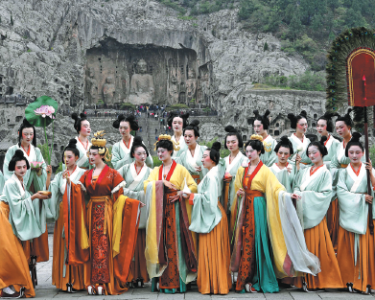
A Historical-Continuity Breakdown: Eastern Zhou Capital to Modern Western Henan
Tracing the direct line from an ancient dynastic capital to a modern provincial sub-region requires dissecting various parameters. This continuity is not a static preservation but a dynamic evolution, where historical layers inform contemporary characteristics. For B2B stakeholders, understanding these shifts and enduring elements can provide crucial context for market analysis, logistics, and cultural engagement.
| Parameter | Eastern Zhou Capital (Approx. 770-256 BCE) | Modern Western Henan (21st Century) | Practical B2B Impact & Risk of Misinterpretation |
|---|---|---|---|
| Geographic Core | Central plains of China, specifically the area around the Luo and Yi Rivers. Primary focus was the walled city and immediate agricultural hinterland. | Still centered around the modern city of Luoyang, but now encompasses a broader administrative area within Henan Province, extending outwards to surrounding prefectures. | Impact: Understanding this expanded scope helps B2B entities recognize the extensive logistical network and labor pool beyond just the core city. Risk: Assuming “Luoyang” refers only to the historical core might lead to underestimating the region’s modern industrial capacity or misjudging optimal site selection for new operations. |
| Administrative Identity | Nominal capital of the Zhou Dynasty; seat of the Son of Heaven. Held ceremonial and moral authority, even with dwindling political power. | A major prefecture-level city within Henan Province, functioning as an economic and cultural hub for western Henan, with defined municipal and provincial governance structures. | Impact: Clear, modern administrative divisions facilitate regulatory compliance and business licensing. Risk: Overestimating historical imperial authority in modern contexts might lead to misunderstandings of local governance and decision-making processes, which are now highly formalized and bureaucratic. |
| Cultural Significance | Cradle of classical Chinese thought (Confucianism, Taoism), center for ritual music and bronze culture. Symbolized continuity and legitimacy. | Retains strong cultural heritage importance, recognized for historical sites, museums, and traditional arts. This heritage often influences local pride and identity. | Impact: Cultural capital can translate to a skilled workforce in tourism or heritage-related industries, and a deep appreciation for long-term relationships. Risk: Disregarding the region’s profound cultural heritage might lead to missteps in local marketing, partnership building, or employee engagement strategies. |
| Economic Drivers | Primarily agrarian economy, supported by tribute, local crafts, and a nascent inter-state trade of goods like salt and iron. | Diversified industrial base including heavy manufacturing, machinery, petrochemicals, and emerging high-tech sectors, alongside agriculture and tourism. | Impact: A diversified economy offers multiple avenues for supply chain integration and market penetration. Risk: Assuming a purely historical or agrarian economy would mean missing out on significant industrial opportunities and underestimating the region’s capacity for modern production and innovation. |
| Infrastructure & Connectivity | Early road networks, river transport (Luo River). Connectivity was vital for imperial control and resource movement. | Extensive modern infrastructure, including high-speed rail, major expressways, international airport, and robust telecommunications networks. | Impact: Excellent connectivity reduces logistics costs and improves market access. Risk: Failing to leverage modern infrastructure due to outdated perceptions of regional connectivity would result in competitive disadvantages and inefficient operations. |
This breakdown underscores that while the name “Luoyang” persists, its geographical and functional identity has evolved. For any enterprise, recognizing these transformations while appreciating the underlying historical threads provides a more accurate and actionable perspective for strategic planning. You can explore more about regional development in our regional economic trends analysis.
Tracing Dynastic Shifts and Enduring Influence in Luoyang
The Eastern Zhou was merely the first chapter in Luoyang’s long imperial saga. Subsequent dynasties, including the Han, Wei, Jin, Northern Wei, Sui, and Tang, all chose Luoyang as their capital at various points. Each period left an indelible mark, layering new administrative structures, architectural marvels, and cultural innovations upon the existing foundation. For instance, the Han Dynasty expanded Luoyang into a truly grand imperial city, a center of unparalleled scholarship and trade along the Silk Road. The Northern Wei era saw the flourishing of Buddhism, with the construction of the Longmen Grottoes, a UNESCO World Heritage site, bearing witness to its artistic and spiritual influence.
The Tang Dynasty’s Luoyang, particularly under Empress Wu Zetian, rivaled Chang’an (modern Xi’an) in splendor and political importance. These successive periods of imperial patronage reinforced Luoyang’s strategic value and cultural magnetism. The city became a melting pot of ideas, goods, and peoples, constantly adapting but always retaining its core identity as a historical heartland. This continuous re-capitalization, despite periods of destruction and rebuilding, speaks to an enduring geographical and strategic advantage that continues to define western Henan. To understand other historical influences on modern infrastructure, consider our insights on Chinese infrastructure development.
Modern Western Henan: Echoes of the Past, Realities of Today
Today, western Henan, with Luoyang at its core, is a vibrant region that skillfully balances its profound historical legacy with rapid industrial and technological advancement. While ancient sites like the White Horse Temple (often considered China’s first Buddhist temple) and the Longmen Grottoes draw international tourists, the region also hosts significant manufacturing bases and a growing high-tech sector. The historical importance of its location as a transportation hub has evolved into a modern reality, with Luoyang now a critical node in China’s high-speed rail network and a major logistics center for central China.
The cultural emphasis on heritage also translates into a society that values continuity and stability, characteristics that can be appealing to long-term B2B partnerships. The workforce, shaped by centuries of organized labor and a strong educational tradition, exhibits adaptability and resilience. Understanding these contemporary realities, rooted in historical continuity, allows for a more nuanced approach to market entry, talent acquisition, and supply chain management within the region. It is not just about appreciating history, but leveraging how that history informs present-day operational dynamics.
Understanding Western Henan’s Historical Context for Strategic Business Decisions
Integrating historical knowledge into modern business strategy provides a competitive edge. Here’s a checklist for B2B entities considering engagement in Luoyang and the broader western Henan region:
- Assess Regional Connectivity: Leverage Luoyang’s historical role as a transport hub to analyze modern logistics efficiency. Evaluate road, rail, and air freight options to optimize supply chain routes.
- Understand Local Workforce Demographics: Recognize the historical emphasis on learning and craftsmanship. This can indicate a skilled labor pool in specific traditional or evolving industries. Inquire about vocational training programs that build on local strengths.
- Respect Cultural Nuances in Negotiations: The region’s deep historical roots often foster a preference for established protocols and long-term relationship building. Patience and an appreciation for local traditions can significantly improve partnership outcomes.
- Evaluate Industrial Specializations: Research current industrial clusters in Luoyang (e.g., heavy machinery, petrochemicals, new materials). These often have historical antecedents in resource availability or early industrialization efforts.
- Consider Urban Development Plans: Look at how historical preservation blends with new infrastructure projects. Government initiatives often balance heritage tourism with industrial growth, creating unique investment opportunities.
- Engage with Local Authorities: Acknowledge the administrative evolution from ancient capital to modern municipality. Understand the current governance structure and its approach to foreign investment and business development.
- Investigate Educational and Research Institutions: Luoyang’s historical role as a center of learning continues today. Explore partnerships with local universities and research institutes for talent acquisition or R&D collaboration.
By actively considering these factors, businesses can move beyond superficial assessments and build robust strategies tailored to the unique characteristics of western Henan.
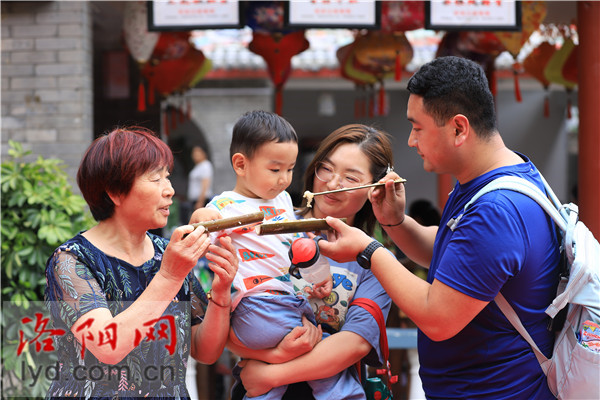
The journey from an Eastern Zhou capital to modern western Henan is a narrative of continuous adaptation and enduring influence. For businesses seeking to understand and engage with this dynamic region, recognizing this profound historical continuity is not an academic exercise but a practical imperative. It offers a framework for deeper market insight and more effective strategic planning.
For more detailed insights on how historical context can inform your business strategy in China, please contact our technical team.