 By
By A 3-Day Luoyang Itinerary That Goes Beyond the Famous Grottoes
Many travelers visit Luoyang with a single objective: to see the magnificent Longmen Grottoes. While the grottoes are an undeniable highlight, treating them as the city’s only attraction means missing out on a rich history that spans multiple dynasties. As one of the ancient capitals of China, the city offers a deep cultural experience that requires more than a brief stopover. This guide provides a structured, three-day plan designed to help you explore the historical depth of Luoyang efficiently, sequencing key sites to minimize travel time and maximize your experience.
We’ll move beyond a simple checklist of places and provide a logical route that groups attractions geographically, offering a more coherent and less stressful way to see this foundational city.
Choosing Your Strategic Base: Where to Stay in Luoyang
Your choice of accommodation location can significantly impact the efficiency of your itinerary. The city is broadly divided into a modern commercial core and a historic old town, each offering distinct advantages for a multi-day stay. A poor choice can add hours of unnecessary travel time, while a strategic one puts you in the best position to explore.
Before booking, consider what you prioritize: proximity to high-speed transport or immersion in historic atmosphere. These two goals often point to different districts within Luoyang.
Location Comparison: Modern Center vs. Old Town
Understanding the trade-offs between the city’s main areas is the first step in building a practical travel plan. Here is a breakdown to help you decide.
| Factor | Luolong District (New City / Near High-Speed Rail) | Laocheng District (Old Town) |
|---|---|---|
| Primary Advantage | Excellent transport links, especially for arrival/departure via the Luoyang Longmen Railway Station. Modern amenities and wider streets. | Atmospheric setting with direct access to historic sites, food streets, and evening markets. Highly walkable. |
| Best For | Travelers on a tight schedule who prioritize efficient movement across the city and easy access to inter-city trains. | Visitors who want to immerse themselves in local culture, enjoy evening strolls, and stay close to traditional food options. |
| Potential Drawbacks | Can feel generic and lacks the historical character found elsewhere. Requires taxis or public transport to reach the old town’s attractions. | Can be crowded and noisy, especially in the evenings. Streets are narrower, and access by car can be challenging. |
| Conclusion | Choose Luolong if your itinerary is packed and involves day trips, or if you have an early morning train to catch. | Choose Laocheng if your primary goal is to experience the city’s historic heart and you prefer exploring on foot. |
A Practical 3-Day Luoyang Itinerary with Travel Logic
This itinerary is designed to be realistic, grouping attractions by location to create an efficient flow. It assumes a moderate pace, allowing for genuine exploration rather than just a quick photo stop. We’ve sequenced the days to build historical context, starting with a broad overview at the museum and then diving into specific eras and sites.
Day 1: Imperial History and the Dawn of Buddhism
The first day establishes the historical foundation for your visit, focusing on sites east of the city center that tell the story of Luoyang as a dynastic capital and a religious cradle.
- Morning (9:00 AM – 12:00 PM): Luoyang Museum. Start here. The museum provides the essential context for every other site you will visit. Its extensive collection of artifacts from the Xia, Shang, and Zhou dynasties helps you understand the city’s profound importance in early Chinese history. This is not just a building with old objects; it is the narrative key to the entire region.
- Afternoon (1:30 PM – 5:00 PM): White Horse Temple (Baima Si). After lunch, travel to the White Horse Temple, widely regarded as the first Buddhist temple in China. This site is more than a single structure; it’s a sprawling complex that includes the original Chinese temple grounds as well as impressive, foreign-funded Thai, Indian, and Burmese-style temples. The contrast in architecture makes for a fascinating visit.
- Evening: Return to your hotel area. If staying in Laocheng, this is a great opportunity for a preliminary walk through the old town’s food streets. If in Luolong, explore one of the modern shopping malls for dinner.
Day 2: The Grottoes and the Old City’s Heart
Today combines the city’s most famous attraction with its most atmospheric neighborhood. It requires an early start to make the most of the day.
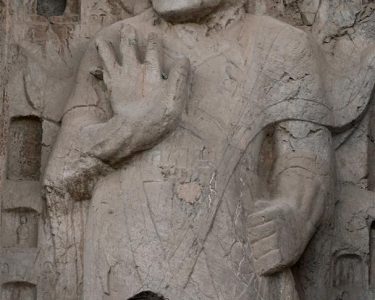
- Morning (8:00 AM – 1:00 PM): Longmen Grottoes. Dedicate the entire morning to this UNESCO World Heritage site. Located south of the city, the grottoes demand considerable walking. Wear comfortable shoes. Start on the west bank, which contains the most famous and impressive carvings, including the massive Vairocana Buddha at Fengxian Temple. Cross the bridge to the east bank for a panoramic view of the main grottoes and to visit the less-crowded caves there.
- Afternoon (2:30 PM – 6:00 PM): Laocheng District (Old Town). After returning to the city and having lunch, immerse yourself in the Laocheng District. Begin at Lijing Gate, the imposing western entrance to the old town, and climb it for a view of the rooftops. From there, wander through the historic streets, exploring the shops and absorbing the lively atmosphere.
- Evening: The Old Town truly comes alive at night. Explore the Cruz Street (Shizijie) night market for a wide array of local snacks and dishes. This is the cultural and culinary heart of Luoyang after dark.
Day 3: Three Kingdoms Lore and Imperial Tombs
Your final day delves into specific chapters of Luoyang’s history, from the legendary Three Kingdoms period to the archaeological discoveries buried beneath the modern city.
- Morning (9:00 AM – 11:30 AM): Guanlin Temple. This complex is the reputed burial place of the head of Guan Yu, the famed general from the Three Kingdoms period. It is a unique combination of a temple and a mausoleum, featuring impressive stone carvings, ancient cypress trees, and a palpable sense of history.
- Afternoon (1:00 PM – 4:00 PM): Choose Your Focus. Depending on the season and your interests, you have two excellent options:
- In-Season (April-May): Visit the National Peony Garden. Luoyang is famous as the “City of Peonies,” and seeing the gardens in full bloom is a spectacular experience.
- Off-Season (Any other time): Visit the Tianzi Jialiu Museum (Museum of Imperial Chariot Pits of the Zhou Dynasty). Located in the city center, this in-situ museum is built directly over an archaeological pit containing the remains of horses and chariots for a Zhou Dynasty emperor. It’s a stunning and direct connection to ancient royal life.
- Late Afternoon: Conclude your visit with some last-minute souvenir shopping or head to the train station or airport for your departure.
Common Itinerary Planning Mistakes to Avoid
A successful trip to Luoyang is as much about what you don’t do as what you do. Many visitors make predictable errors that lead to wasted time and frustration. Here are the most common pitfalls and how to steer clear of them.
- Mistake 1: Underestimating Travel Time. Luoyang’s attractions are spread out. The White Horse Temple, Longmen Grottoes, and the city center are not close to each other.
Solution: Follow a geographically clustered itinerary like the one above. Use ride-hailing apps (Didi) or taxis for direct routes, as they are affordable and much faster than relying solely on public buses for tourist travel. - Mistake 2: Trying to Combine Luoyang and Shaolin Temple in a Single Day. While often marketed together, the Shaolin Temple is near Dengfeng, a significant drive from Luoyang. A combined trip results in a rushed and superficial experience at both locations.
Solution: If the Shaolin Temple is a priority, allocate a separate, full day for it. Treat it as a day trip from Luoyang or Zhengzhou, not as an item to be squeezed into a city tour. - Mistake 3: Ignoring the Museums. Some travelers skip museums in favor of outdoor sites. In Luoyang, this is a major error. The city’s history is too complex to grasp without the context provided by its world-class museums.
Solution: Make the Luoyang Museum your first stop. The chronological exhibits will enrich your understanding of every other temple, tomb, and ruin you visit afterward. - Mistake 4: Visiting During Peak National Holidays Unprepared. Traveling during holidays like National Day week (early October) or Labour Day (early May) without advance planning can be a logistical nightmare.
Solution: If you must travel during these times, book your high-speed train tickets and accommodation weeks, or even months, in advance. Be prepared for major crowds at all top-tier attractions.
By thoughtfully structuring your visit and avoiding these common errors, you can transform a simple tourist trip into a meaningful historical exploration of one of China’s most significant ancient capitals.
For support in crafting detailed cultural and historical tour plans, our team has the expertise to assist.