
Blog
A Visitor’s Guide to the Luoyang White Horse Temple Route

How to Plan Your Route Through the Luoyang White Horse Temple
For any traveler exploring China’s rich history, a key question arises when planning a day in Luoyang: how much time is needed for the White Horse Temple, and what is the most logical way to navigate its sprawling grounds? As the first Buddhist temple in China, the Luoyang White Horse Temple (白马寺, Bái Mǎ Sì) is more than a single building; it’s a vast complex encompassing historic Chinese halls, a significant pagoda, and a unique international zone with temples from across Asia. Arriving without a plan can lead to needless backtracking and missing key sights.
This guide provides a clear, strategic approach to visiting the temple. We will break down the ideal arrival times and map out a step-by-step route that ensures you experience the entire site logically, from its ancient core to its modern international additions. Understanding the layout before you arrive is the key to a fulfilling and efficient visit.
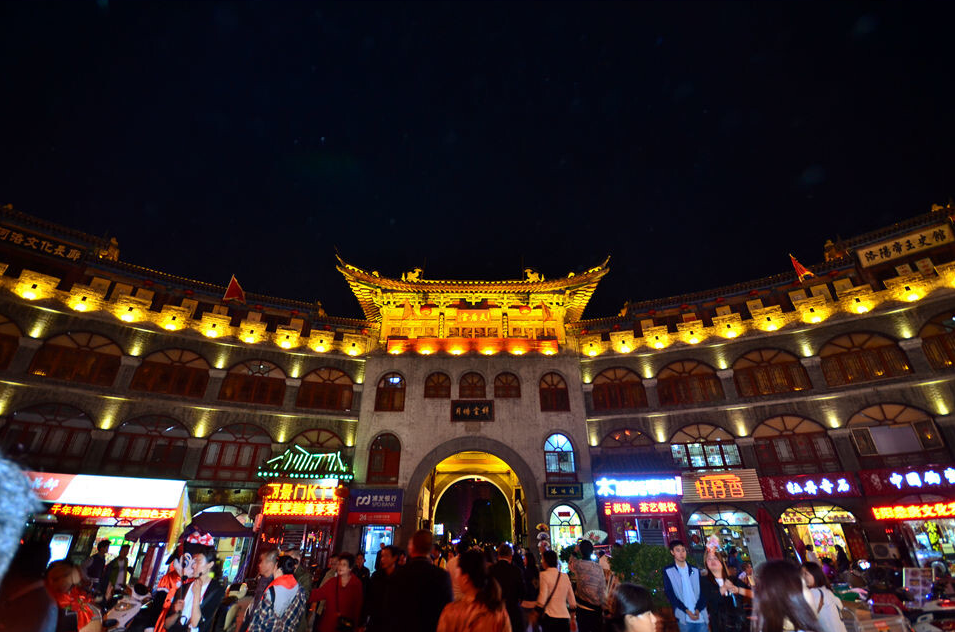
Optimizing Your Visit: A Strategic Route to Minimize Backtracking
The White Horse Temple complex has expanded significantly over the years. The main sections include the original temple axis, the Qiyun Pagoda area to the east, and the large International Temple Zone to the west. Following a structured path is crucial. This route is designed to flow logically from the entrance, covering the historical core before moving to the newer additions, and takes approximately 2.5 to 4 hours to complete at a steady pace.
A Step-by-Step Navigation Plan
-
Entrance and the Main Axis (Approx. 60-90 minutes): After purchasing your ticket, you will enter through the main South Gate. You are now on the central axis of the original temple. Proceed directly north, visiting the halls in their historical sequence. Key halls you will encounter include:
- Hall of Heavenly Kings: The first major hall, housing the four celestial guardians.
- Hall of the Great Buddha: The main hall of the temple, containing a large statue of Sakyamuni Buddha.
- Hall of Mahavira: Another significant hall with important Buddhist statuary.
- Cool and Clear Terrace (Qingliang Terrace): Located at the northernmost end of the historic axis, this is believed to be the site where the original sutras were translated.
- The Qiyun Pagoda (Approx. 20-30 minutes): After visiting the Cool and Clear Terrace, exit the main axis courtyard to the east. A short walk will bring you to the Qiyun Pagoda, one of the oldest pagodas in China. It’s a serene area, often less crowded than the main halls. Spend some time here before retracing your steps back toward the central axis.
-
The International Temple Zone (Approx. 60-90 minutes): From the central area, head west to explore the expansive International Temple Zone. This area features stunning, full-scale replicas of famous temples from other Buddhist countries, built in their authentic architectural styles. The most prominent are:
- The Thai Temple: A dazzling structure in the classic Thai style with a brilliant gold-leafed roof.
- The Indian Temple: A faithful replica of the Great Stupa at Sanchi, offering a completely different aesthetic.
- The Myanmar Temple: A beautiful representation of Burmese Buddhist architecture.
Explore these temples in any order, as they are clustered together. This zone is quite large and visually impressive, so allocate ample time for photography and appreciation.
- Exit: After exploring the international section, you can conveniently exit from the western side of the complex or walk back to the main southern entrance.
Common Routing Mistakes to Avoid
- Visiting the International Zone First: Some visitors are drawn to the large, modern structures of the international zone immediately upon entry. This forces significant backtracking to see the original, historically vital temple axis later.
- Skipping the Qiyun Pagoda: The pagoda is located slightly off the main path and is easily missed if you are not looking for it. It is one of the most historically important parts of the entire complex.
- Underestimating the Size: The complex covers a large area. Rushing through the main halls to “get to the end” will cause you to miss the subtle details and historical significance of the original temple, which is the heart of the site.
Choosing Your Arrival Time: Morning vs. Afternoon
The time of day you visit the Luoyang White Horse Temple can significantly impact your experience, from crowd levels to the quality of light for photography. While the temple is a rewarding visit at any time, understanding the trade-offs between a morning and afternoon arrival helps you align the visit with your priorities.
For most visitors, a morning arrival is superior. It offers better conditions for photography, more comfortable temperatures during warmer months, and a calmer atmosphere to appreciate the history of the site. An afternoon visit is a viable alternative if your itinerary is constrained, but be prepared for larger crowds and potentially harsher sunlight.
| Factor | Morning Visit (8:00 AM – 11:00 AM) | Afternoon Visit (1:00 PM – 4:00 PM) |
|---|---|---|
| Crowd Levels | Generally lower, especially on weekdays. Tour groups tend to arrive later in the morning. The first hour after opening is often very peaceful. | Typically the busiest period, with both independent travelers and large tour groups present. Can feel congested in the main halls. |
| Photography Conditions | Soft, golden morning light is ideal for capturing the architectural details. Lower sun angle creates pleasing shadows and highlights. | Harsh overhead sun can create strong, unflattering shadows and blown-out highlights, especially in open courtyards. Late afternoon light can be good but you risk running out of daylight. |
| Temperature (Summer) | More pleasant and cooler. You can complete the majority of your outdoor walking before the peak heat of the day. | Can be very hot, particularly in the unshaded areas of the International Temple Zone, making the walk less comfortable. |
| Atmosphere | More serene and contemplative. You can hear the temple’s ambient sounds and feel a stronger sense of its spiritual and historical significance. | More bustling and energetic. The noise from large crowds can detract from the tranquil atmosphere expected at a religious site. |
Essential Preparations for Your Temple Visit
A smooth visit to a site as large as the White Horse Temple requires a bit of foresight. Beyond just showing up, a few key preparations can make the difference between a tiring, stressful day and a truly memorable exploration of Buddhism‘s origins in China. The terrain is mostly flat and paved, but the distances are significant. Proper planning ensures you remain comfortable and focused on the history and beauty around you.
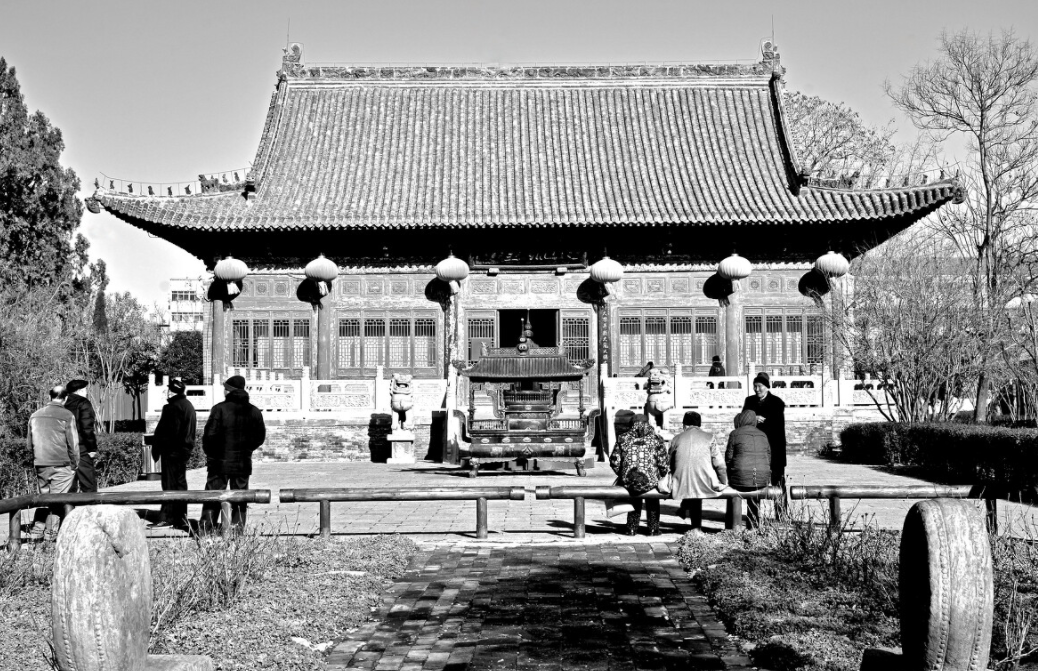
Visitor’s Pre-Arrival Checklist
Use this checklist to ensure you have everything you need before you head out to the temple, which is located about 12 kilometers east of Luoyang’s old town.
- Appropriate Footwear: This is non-negotiable. You will be walking for several hours on hard surfaces. Wear your most comfortable walking shoes or sneakers.
- Hydration and Snacks: While there are vendors on-site, it is always wise to bring your own bottle of water. Packing a small snack can be helpful, especially if you plan to spend more than three hours exploring.
- Sun Protection: Large parts of the complex, especially the International Temple Zone and the area around the pagoda, are open and unshaded. A hat, sunglasses, and sunscreen are essential, particularly from late spring to early autumn.
- Cash for Tickets: While mobile payments are widespread in China, it is always a good practice for foreign travelers to carry sufficient cash for entrance fees, just in case international card processing is unavailable.
- Transportation Plan: Decide how you will get there and back. Public bus routes connect the temple to the main train stations in Luoyang, offering a very affordable option. Taxis or ride-hailing services are faster and more direct but will cost more. Confirm your return plan before you lose yourself in the temple grounds.
- Camera and Battery: The temple is exceptionally photogenic, from ancient carvings to grand international architecture. Ensure your camera or phone is fully charged and that you have enough storage space.
By following a logical route and preparing for the practicalities of the day, your visit to the Luoyang White Horse Temple can be a highlight of your trip, allowing you to fully immerse yourself in its profound history and diverse architecture.
For help integrating this and other key historical sites into a comprehensive Luoyang itinerary, feel free to reach out to our planning team.
