
Blog
How Sancai Glazed Tomb Figures Reveal Their Function

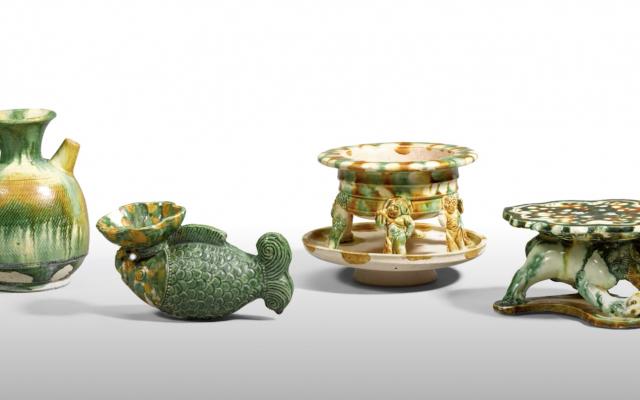
Understanding the Roles of Sancai Glazed Tomb Guardians
Beyond their striking tri-color palette, what was the specific purpose of each sancai glazed figure placed within a Tang dynasty tomb? For collectors, curators, and researchers, knowing the visual vocabulary of these objects is key to moving beyond simple appreciation to a deeper understanding of their function. The arrangement and type of figures were not random; they formed a symbolic retinue designed to protect the deceased in the afterlife and project their worldly status.
Interpreting these roles requires looking past the beautiful sancai glaze and analyzing the form, pose, and attributes of each figure. A fierce, armor-clad warrior served a very different purpose than a serene, robed official. This guide breaks down the identification matrix for these important pieces of funerary art, enabling you to distinguish between figures of protection, figures of service, and figures of status.
Decoding Function: An Identification Matrix for Tomb Figures
The population of a high-status Tang tomb was a microcosm of the real world, complete with guardians, officials, servants, and livestock. Each figure’s identity and purpose can be systematically decoded by examining its type, attributes, and intended placement relative to the coffin. Getting this identification wrong means misinterpreting the entire symbolic program of the tomb assemblage. The following table provides a clear framework for distinguishing the primary roles.
| Figure Type | Key Identifying Features & Poses | Typical Tomb Placement | Primary Function |
|---|---|---|---|
| Earth Spirits (Zhenmushou) | Often hybrid creatures with animal bodies, human or demonic faces, elaborate horns, and sometimes wings. Poses are typically low, stable, and static, like a seated lion or bulldog. | At the very entrance of the tomb chamber, facing outwards, often as the first line of defense. | Protection (Supernatural): To ward off evil spirits and protect the tomb from unseen threats from the underworld. Their grotesque appearance was meant to be apotropaic. |
| Heavenly Kings (Lokapala) | Fierce, armor-clad warriors, often with muscular, dynamic poses. Typically shown standing on or trampling a demon or beast, symbolizing the triumph of good over evil. Faces are expressive and menacing. | Positioned just inside the tomb entrance, behind the Earth Spirits, or flanking the doorway to the burial chamber itself. | Protection (Physical & Spiritual): To guard the tomb against physical intruders and malevolent forces. They represent Buddhist guardian deities adapted for a funerary context. |
| Military Officials | Human figures in full military armor, but with more restrained, formal poses compared to Heavenly Kings. They stand at attention, hands often clasped or positioned to hold a weapon (now lost). Their faces are stern but human. | Deeper within the tomb, lining the path to the main chamber or placed near the sarcophagus, as part of the deceased’s official retinue. | Status & Protection: To represent the deceased’s military authority and command. They act as a personal bodyguard, reflecting a real-world honor guard. |
| Civil Officials (Wénchén) | Human figures dressed in long, flowing court robes with distinctive hats indicating their rank. They stand in serene, respectful poses, often with hands clasped together inside their long sleeves. | Placed alongside Military Officials, often closer to the sarcophagus, representing the administrative side of the deceased’s authority. | Status & Service: To represent the deceased’s rank and bureaucratic power in the imperial court. They were intended to continue their administrative service in the afterlife. |
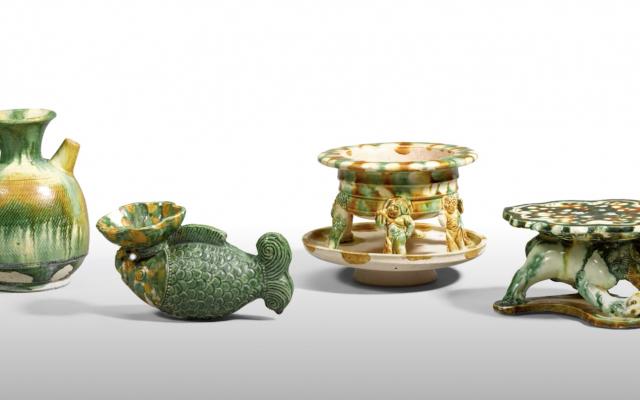
Common Mistakes in Identifying Funerary Figures
Distinguishing between similar figure types is a common challenge for new collectors and non-specialists. An incorrect identification can lead to a misunderstanding of an object’s significance and value. Paying close attention to specific details of posture, clothing, and facial features is critical. Here are some of the most frequent errors to avoid.
- Confusing Heavenly Kings with Military Officials: The key differentiator is the base. A Heavenly King (Lokapala) is almost always depicted trampling a demon or a small ox-like creature. A Military Official, by contrast, stands on a simple, flat plinth. The pose of the Heavenly King is also far more dynamic and aggressive, while the official stands at formal attention.
- Misinterpreting the Earth Spirits (Zhenmushou): These figures are sometimes generically labeled as “monsters.” While true, their specific role as subterranean guardians is lost. Their hybrid nature—combining features of different animals—was intentional, meant to give them power over all threats from the earth. They are not simply decorative grotesques; they are powerful protectors.
- Overlooking the Significance of Clothing: For civil and military officials, the details of their attire are paramount. The type of hat (putou) and the cut of the robes (pao) can signify specific ranks within the Tang bureaucracy. Ignoring these details is like ignoring the insignia on a modern military uniform; you miss the entire story of the individual’s status.
- Assuming All Animals Are Equal: A horse with an elaborate saddle and trappings signifies wealth and nobility. A camel, especially one laden with goods, represents commerce and success on the Silk Road. The type of animal and its condition or load are direct indicators of the tomb occupant’s source of wealth and sphere of influence. They are not interchangeable symbols of prosperity.
Beyond Guardians: Sancai Figures as Symbols of Lifestyle and Wealth
While guardians protect the tomb, a large portion of sancai glazed figures serve to recreate the ideal lifestyle of the deceased. These objects are direct reflections of status, wealth, and the social hierarchy of the Tang court. They were not intended to fight or protect but to serve and entertain for eternity.
Horses are perhaps the most famous example. The Tang dynasty was renowned for its powerful cavalry and its love of horses, which were imported at great expense. A tomb filled with large, powerful sancai glazed horses was a clear and unambiguous display of immense wealth and connection to the military and imperial power structure. The quality of the modeling, the realism of the pose, and the richness of the glaze all contributed to this statement.
Likewise, Bactrian camels laden with silk, flasks, and other goods speak to the owner’s success in trade along the Silk Road. These figures are not just animals; they are narrative objects that tell a story of commercial power and cosmopolitan connections. Other figures, such as court ladies, musicians, and foreign attendants (often with Sogdian or Turkic features), complete the picture. They demonstrate the sophisticated, multicultural, and luxurious life the tomb occupant expected to continue after death. When evaluating a collection, the diversity and quality of these service and status figures are just as important as the ferocity of the guardians.
Ultimately, a set of sancai glazed tomb figures should be read as a complete narrative. The guardians at the entrance set the stage, establishing a protected space. The officials, both civil and military, define the owner’s power and rank. Finally, the horses, camels, and entertainers illustrate the texture of their wealthy and privileged life. It is in understanding this complete system that the true cultural and historical value of these remarkable objects is revealed.
For expert assistance in authenticating, interpreting, or sourcing high-quality Tang funerary art, contact our team for a professional consultation.
