Blog
China Longmen Grottoes Walking Route by Cave Cluster

Plan a China Longmen Grottoes Walk by Cave Cluster
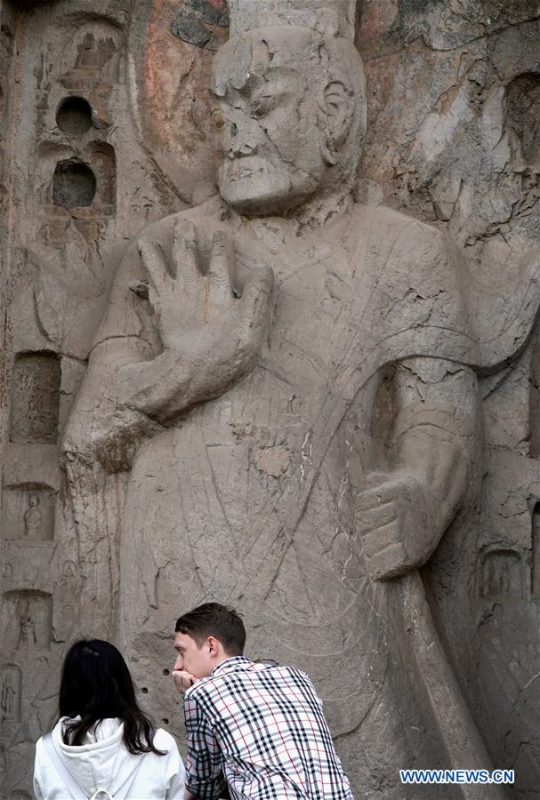
How can a first-time visitor choose a walking order that makes the carvings, cave layouts, and river setting easier to understand? A visit to the Longmen Grottoes can feel visually overwhelming when each rock face appears to contain another cave, shrine, or inscription. The most useful approach is to plan the china longmen grottoes walk by cluster rather than treating every opening as an equal stop.
This route-planning method starts with the riverbanks. The western side contains the better-known concentration of major cave temples, while the eastern side works best as a viewing and context section rather than the core of a first visit. That distinction matters. Visitors who begin without a sequence often spend too long at early facades, then reach the largest ensemble with little time or attention left.
For most first-time visitors, the practical conclusion is simple: make the West Hill caves the main interpretive walk, then use the East Hill side to understand the overall landscape and view the western cliff from across the Yi River. This approach fits visitors who want historical context and visual comparison. It does not suit travelers whose main goal is a short photo stop, or those whose available route is restricted by current access arrangements.
Choose a walking order that matches your purpose
A china longmen grottoes visit should begin with a decision: are you trying to understand Buddhist cave art, identify the major monuments, photograph the landscape, or simply fit the site into a broader itinerary? Your answer determines where to slow down and where to keep moving.
| Visitor purpose | Best route priority | Why it works | When it does not apply |
|---|---|---|---|
| First historical visit | West Hill major cave sequence, then river view | It builds from smaller carved spaces toward more monumental ensembles. | Not ideal if access conditions require a different entrance or exit path. |
| Architecture and sculpture study | Spend longer at Guyang Cave, Binyang Caves, Wanfo Cave, and Fengxian Temple | These stops allow comparison between cave interiors, relief surfaces, figures, and large cliffside composition. | Not suitable for a rapid sightseeing visit with limited walking tolerance. |
| Landscape photography | Combine western carvings with eastern riverbank viewpoints | The opposite bank helps show how the cave temples relate to the cliffs and river corridor. | Less useful when weather, light, or crowd conditions make long views unclear. |
| Short orientation visit | Select a small number of major West Hill stops | A focused route is more memorable than rushing through every visible opening. | Not enough for visitors seeking detailed art-historical comparison. |
Before setting out, check the current visitor route, entrance arrangement, walking conditions, and any restricted areas. A published map may show the full geography of the china longmen grottoes, but the usable walking sequence can change because of visitor management, maintenance, or seasonal conditions.
Action-focused route that groups key caves by riverbank location and explains what each stop reveals
The strongest first-visit route for the china longmen grottoes uses the river as an organizing tool. Do not try to interpret the site as a single uninterrupted wall of carvings. Instead, move through the dense West Hill sequence in a deliberate order, then cross or look toward the East Hill side to place the monuments within the valley.
| Riverbank location | Key stop or cluster | What the stop reveals | Action at the stop | Common failure reason |
|---|---|---|---|---|
| West Hill | Qianxi Temple area | How a cave temple uses depth, shadow, and a carved interior to create a distinct sacred space. | Pause before entering and compare the exterior opening with the internal arrangement. | Walking through too quickly without noticing how the cave changes from facade to interior. |
| West Hill | Guyang Cave | The importance of inscriptions, donor activity, and detailed carving within a more compact cave environment. | Look beyond the main figures and examine side surfaces, niches, and written elements. | Focusing only on the central image and missing the surrounding evidence of patronage. |
| West Hill | Binyang Caves | How a cave cluster can be read as a connected program rather than isolated chambers. | Compare entrances, figure groupings, and the degree of completion or preservation from one space to another. | Assuming every cave was conceived or finished in the same way. |
| West Hill | Lotus Flower Cave and nearby smaller carvings | How decorative motifs can support the larger religious setting and reward close observation. | Use this as a slower-looking stop between larger monuments. | Skipping details because the cave appears less dramatic from a distance. |
| West Hill | Wanfo Cave | The visual effect of repetition, dense figure placement, and a more concentrated carved surface. | Step back first, then look for changes in scale and arrangement. | Standing too close throughout the visit and losing the overall pattern. |
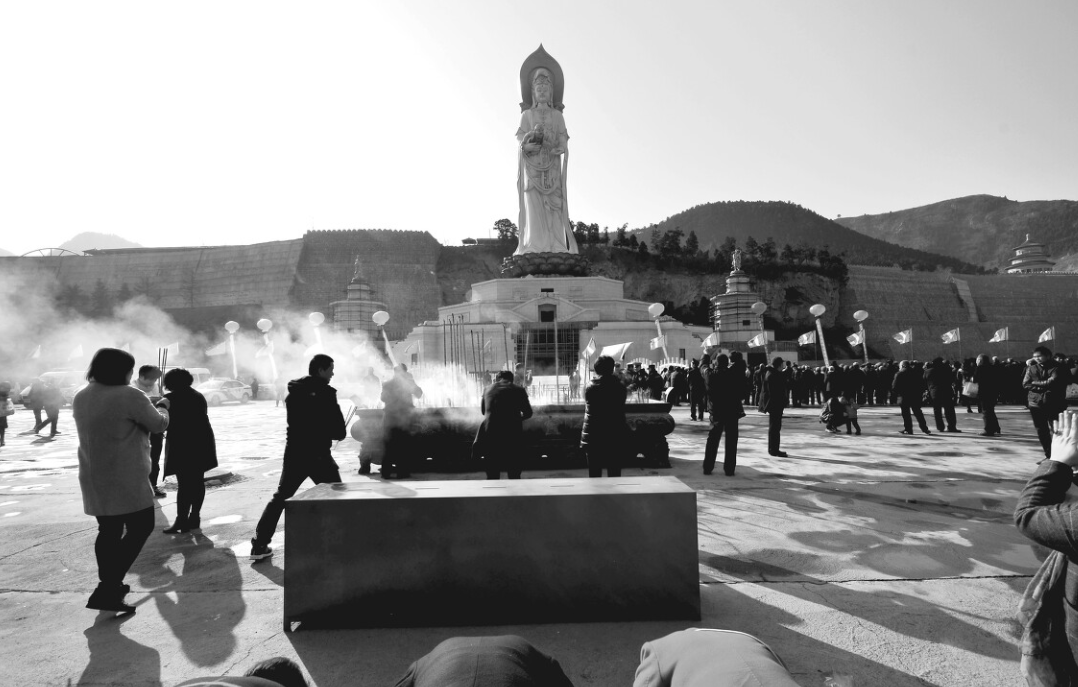
| West Hill | Fengxian Temple | How monumental figures, open cliffside space, and viewing distance work together. | View the ensemble from more than one position before studying individual faces and attendant figures. | Treating it only as a photo stop rather than the culmination of the earlier cave sequence. |
| East Hill | Eastern riverbank and opposite-cliff views | The scale of the valley setting and the relationship between the carved West Hill face and the river. | Use the viewpoint to review the route you have completed and identify the cliff zones you just visited. | Expecting the eastern side to duplicate the dense major-cave sequence of West Hill. |
The conclusion for most travelers is to reserve the most attention for West Hill and use the eastern bank as a visual checkpoint. This structure suits visitors who want a coherent narrative through the china longmen grottoes. It is less useful for someone returning specifically to study lesser-known carvings, because that type of visit requires a more specialized plan.
Follow the route as a sequence of questions
- Start with the setting. Ask how the cliff, river, and path shape your first view. This establishes scale before details compete for attention.
- Read a compact cave closely. At an early West Hill stop, identify the entrance, main figures, side niches, and carved surfaces. The checkpoint is whether you can describe the cave as a designed space rather than a single image.
- Compare nearby caves. At the Binyang area, look for differences in layout, finish, and visual emphasis. The common mistake is assuming similar names indicate identical experiences.
- Use smaller caves as evidence. Decorative or densely carved stops show that the site is not defined only by its largest figures. This step matters when you want to understand variety rather than collect landmark photographs.
- Finish with the monumental ensemble. At Fengxian Temple, step back before inspecting details. The key checkpoint is whether you can see how distance affects the impact of the figures.
- End with a riverbank review. From the opposite side or a broad river-facing viewpoint, connect individual caves to the whole cliff. Skip this only if your route or available time makes it impractical.
Use a repeatable method to read each cave cluster
A planned china longmen grottoes walk becomes more useful when every major stop is approached with the same set of observations. This prevents a common problem: seeing many carvings but retaining only the last large figure photographed.
- Look from far away first. Identify the cave’s position, facade shape, and relationship to adjacent openings. This works especially well for cliffside ensembles; it is less effective in enclosed interiors where details are the main feature.
- Find the visual center. Determine whether the focus is a central figure, a group of figures, a carved ceiling, decorative motif, or inscription. The reason is practical: it gives your viewing order a clear anchor.
- Check the side surfaces. Smaller figures, niches, and written elements often explain why the space is more than a single sculptural image. Do not apply this as a reason to touch or approach protected surfaces.
- Compare scale deliberately. Ask whether the carving is designed for close inspection, distant viewing, or both. This is particularly important at the china longmen grottoes, where compact cave chambers and open monumental facades require different viewing distances.
- Record one observation per cluster. A short note such as “dense repetition,” “interior depth,” or “monumental open facade” creates a usable memory framework without turning the walk into a long research exercise.
Avoid route-planning mistakes that weaken the visit
The main planning risk at the china longmen grottoes is not choosing the wrong individual cave. It is failing to create a hierarchy of stops. A route without priorities makes every carving compete for the same limited attention.
- Mistake: treating both riverbanks as equal cave-density zones. The practical correction is to place the main interpretive effort on West Hill. The East Hill side is valuable for context and views, but it should not replace the major western sequence for a first visit.
- Mistake: beginning with the largest ensemble and leaving immediately. Fengxian Temple is more meaningful after viewing smaller and more enclosed caves. Begin earlier in the sequence when possible; this does not apply if your imposed entry route makes a reverse order unavoidable.
- Mistake: planning only by famous names. Famous caves matter, but the transition between them teaches visitors how carving scale and visual density change. Include at least one smaller or detail-focused stop in the route.
- Mistake: relying on a map without making viewing decisions. A map tells you where caves are located, not what to look for. Add a purpose beside each planned stop: interior space, inscriptions, decorative detail, repeated figures, or monumental composition.
- Mistake: ignoring walking comfort and attention span. A longer route is not automatically better. If visitors become tired, preserve the major West Hill sequence and remove secondary detours first.
Build an itinerary-ready checklist before finalizing your visit
Use this checklist to turn a general china longmen grottoes plan into an actual walking order. The conclusion is to decide priorities before arrival, not while standing in front of the first cave. This fits independent travelers, tour planners, and groups with mixed interests. It will not replace current onsite guidance when access routes differ from expected conditions.
| Planning question | Decision to make | Why it matters |
|---|---|---|
| What is the main purpose of the visit? | Choose history, sculpture, landscape, or a balanced first overview. | Your purpose determines how long to spend at each cluster. |
| Which bank is the core route? | Set West Hill as the main cave walk for a first visit. | This keeps the best-known cave clusters in a logical order. |
| Which stops are essential? | Prioritize Guyang Cave, Binyang Caves, Wanfo Cave, and Fengxian Temple according to your interests. | A defined priority list prevents rushed decisions later. |
| What will the eastern side add? | Use it for river, cliff, and site-scale perspective. | It turns separate cave visits into an understanding of the whole setting. |
| What conditions need confirmation? | Review current visitor access, route availability, weather, and comfort needs. | These factors can change the practical walking order. |
A well-planned china longmen grottoes route is not about seeing every opening in the cliff. It is about moving from intimate carved spaces to major ensembles, then using the river landscape to understand how those clusters belong together.
Use this china longmen grottoes route checklist before finalizing your itinerary.