
Blog
How to Plan a 3-Day Luoyang Itinerary by Dynasty

How to Plan a 3-Day Luoyang Itinerary by Dynasty That Actually Saves You Time
First-time visitors researching Luoyang usually ask the same question: which dynasty’s sites should come first, and how do you avoid zigzagging across the city for three days straight? Luoyang served as capital for 13 dynasties over roughly 1,500 years, so its historical sites are scattered across different districts rather than clustered in one old town. Without a plan, you’ll waste half a travel day just backtracking between the eastern suburbs and the southern hills. This guide breaks the city down by dynasty first, then converts that grouping into an actual three-day route.
Understanding Luoyang’s Dynastic Layout Before You Book
Most travelers assume a “historic city” means everything sits within walking distance. Luoyang doesn’t work that way. Sites from the Eastern Han period sit northeast of downtown. Tang and Sui remains cluster around the old imperial city foundations in the center. The Northern Wei-era Buddhist carvings sit about 13 kilometers south, along the Yi River. If you plan by geography alone, ignoring which dynasty each site belongs to, you’ll end up re-reading the same historical context three times in three different neighborhoods — a common complaint from rushed itineraries booked through generic tour packages.
Planning by dynasty instead does two things: it keeps your route geographically efficient, and it lets each day build narrative continuity, so the Tang poetry you read about in the morning connects to the palace ruins you’re standing in that afternoon.
Group Major Sites by Dynasty to Minimize Cross-City Travel
This is the core planning move. Instead of picking sites by popularity ranking, group them by the dynasty they represent, then sequence the groups so each day covers one geographic zone. Here’s how the major Luoyang sites break down:
| Dynasty | Key Sites | General Area | Best Day Slot |
|---|---|---|---|
| Eastern Han | White Horse Temple, Han-Wei Luoyang City ruins | Northeast suburbs | Day 1 morning |
| Cao Wei / Western Jin | Han-Wei City site (shared ruins) | Northeast suburbs | Day 1 morning |
| Northern Wei | Longmen Grottoes (early caves) | Southern river valley | Day 2 full day |
| Sui & Tang | Longmen Grottoes (later caves), Sui-Tang Luoyang City ruins, Luoyang Museum Tang exhibits | Southern valley + city center | Day 2 afternoon + Day 3 morning |
| Zhou (Eastern Zhou) | Zhouwang City Site Museum, bronze artifact halls | City center | Day 3 afternoon |
Notice that Northern Wei and Sui-Tang sites overlap at Longmen Grottoes, since the carving project spanned several dynasties. That overlap is actually convenient — it means one site visit covers two historical periods, cutting your travel time rather than adding to it.
Day-by-Day Itinerary: A Step-by-Step 3-Day Plan
Here is a practical sequence built from the grouping above, with checkpoints for each day and the reasons a step commonly fails.
Day 1 — Han and Wei Foundations
- Morning: Visit White Horse Temple first, since it opens early and sits farthest from the city center. Reason: starting here avoids doubling back later in the day.
- Midday: Walk the Han-Wei Luoyang City ruins nearby. Checkpoint: confirm which excavated sections are open before you go, as archaeological sites sometimes restrict access during active research.
- Afternoon: Return toward the city center and rest before Day 2, which is physically demanding.
Common failure reason: travelers schedule White Horse Temple and Longmen Grottoes on the same day because both appear on “top 5” lists. They’re roughly 40 minutes apart in opposite directions from downtown — combining them wastes transit time that could go toward actually exploring each site.
Day 2 — Longmen Grottoes and the River Valley
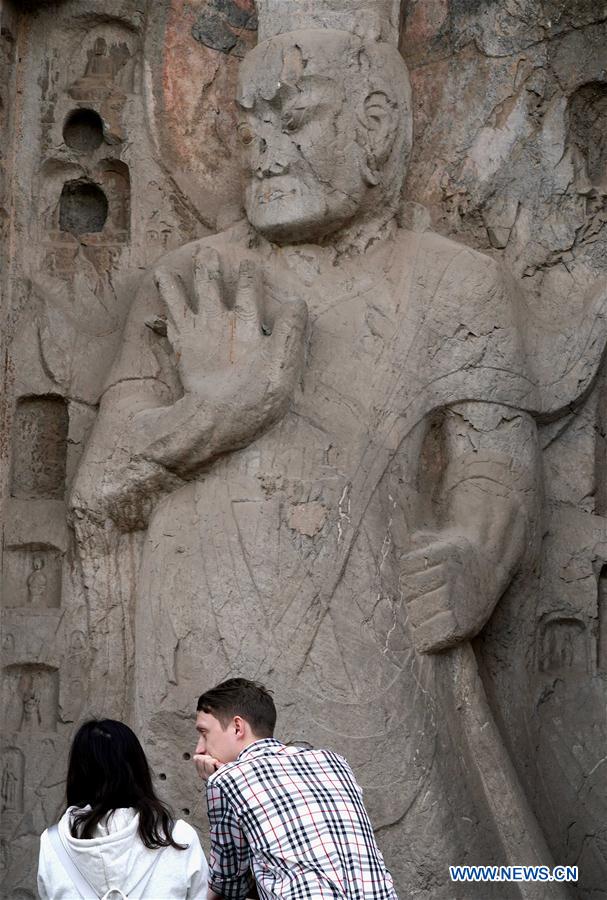
- Full morning to early afternoon: Dedicate this block entirely to Longmen Grottoes, a UNESCO-recognized site carved over several dynasties. Walk both the west and east banks if your schedule allows — most first-time visitors only see the west bank and miss the quieter east-side viewpoints.
- Checkpoint: Pace yourself. The site stretches over a kilometer along the river, and rushing through it defeats the point of separating it from other sites on your itinerary.
- Late afternoon: Head back toward the city center for dinner and rest.
Common failure reason: visitors try to squeeze in the Luoyang Museum on the same afternoon. By the time you finish Longmen Grottoes, fatigue sets in, and museum visits done in a rush add little value — better saved for Day 3 when you’re fresh.
Day 3 — Sui-Tang City Center and Zhou Dynasty
- Morning: Visit the Sui-Tang Luoyang City ruins and the Luoyang Museum, both centrally located. This is where the Tang-era exhibits give context to what you saw carved in stone the day before.
- Afternoon: Move to the Zhouwang City Site Museum for Eastern Zhou bronze artifacts, a short distance from the morning stops.
- Checkpoint: Confirm museum hours in advance — several Luoyang museums close earlier than typical tourist-city hours, and this catches unprepared travelers off guard.
Common failure reason: saving the Zhou dynasty sites for last without checking closing times means arriving to locked doors. Since bronzeware exhibits typically require less time than the grottoes, they fit well as a shorter closing activity — but only if timed correctly.
Common Mistakes First-Time Visitors Make
- Booking sites purely by popularity, not location. This creates unnecessary cross-city loops.
- Underestimating Longmen Grottoes’ size. Treating it as a two-hour stop instead of a half-day commitment.
- Ignoring seasonal peony crowds. Luoyang’s spring peony season, tied historically to the Sui-Tang court’s fondness for the flower, draws heavy domestic tourism — plan extra buffer time if traveling in April.
- Skipping the museum until the last hour of a trip. Museum context enriches the outdoor sites; visiting it too late means you learn the backstory after you’ve already seen the ruins.
- Not confirming transit between the southern grottoes and the northeastern Han-Wei ruins. These are on opposite sides of the city — assume at least 45 minutes each way.
Budget and Logistics Checklist Before You Go
Use this checklist to confirm your itinerary is realistic before locking in transport and hotel bookings:
- Have you confirmed opening hours for each site on your actual travel dates, not just general listings?
- Does your hotel sit roughly central, so Day 1 and Day 3 travel times stay short?
- Have you allocated a full day, not a half day, for Longmen Grottoes?
- If traveling during peony season, have you added buffer time for crowds at Sui-Tang related sites?
- Have you separated Han-Wei sites and Longmen Grottoes onto different days, given their distance apart?
- Do you have a backup indoor option (museum) in case of rain during outdoor-heavy days?
This kind of dynasty-first sequencing works well for travelers with three full days. If your trip compresses to two days, prioritize Longmen Grottoes and the city-center Sui-Tang sites first — the Han-Wei ruins and Zhou museum are the easiest to trim without losing the trip’s historical throughline. It does not apply well if you’re primarily interested in modern Luoyang or day-trip access to the Silk Road heritage corridor further west, which requires a separate multi-day plan beyond this city itinerary.
If you’re mapping out a group trip or need help sequencing a longer Luoyang stay around specific dynasties, send us your travel dates and interests — we’re glad to help refine the route further.
About LyWOW Tours
LyWOW is a locally based travel agency in Luoyang, specializing in private tours for international travelers across Luoyang, Shaolin, Xi’an and Central China. English-speaking guides, flexible itineraries and door-to-door service.
Learn more about us or browse all our tours.
