 By
By How to Plan a Rewarding Visit to Luoyang’s Horse Temple
Which temple is actually China’s first Buddhist temple, and how do you avoid confusing it with the several other horse-named shrines scattered across the country? That question trips up a surprising number of travelers researching Luoyang. The answer is the Horse Temple — known locally as Baima Si, or White Horse Temple — founded during the Eastern Han dynasty and widely credited as the first Buddhist temple built on Chinese soil. Unlike similarly named sites elsewhere, this particular temple sits just outside Luoyang’s old city and anchors the region’s entire Buddhist heritage trail.
This guide focuses on what actually matters when you’re standing at the gate with limited hours: which halls to prioritize, how long to budget, what transport option fits your schedule, and which nearby sites are worth pairing with your visit.
What Distinguishes This Temple From Other Horse-Named Sites
Several Buddhist and folk shrines across China use “horse” in their name, often tied to local legends about messengers, generals, or sacred animals. The Luoyang site is different because its founding story is tied directly to the transmission of Buddhism into China via the Silk Road — two white horses are said to have carried Buddhist scriptures from Central Asia to the Han capital. That origin story is the reason historians and Buddhist scholars treat this temple as a foundational landmark rather than a regional curiosity.
If your itinerary research turns up a horse-named temple in another province, check the founding date and provincial listing before booking transport — mixing up the two wastes a full day for travelers working with tight regional schedules.
Action-Led Visit Planning: Transport, Hall Sequence, and Timing
Most visit delays happen not at the temple itself but in the planning gaps before arrival — wrong transport choice, no hall priority, or misjudged time against nearby stops. Here’s a structured way to map it out.
Step 1: Choose Your Transport Based on Your Day’s Structure
| Transport Option | Best For | Typical Trade-off |
|---|---|---|
| Public bus from downtown Luoyang | Budget travelers with flexible time | Longer travel time, requires knowing the correct route number in advance |
| Taxi or ride-hailing app | Travelers combining the temple with same-day return to the city | Faster but subject to traffic near peak sightseeing hours |
| Private car or tour vehicle | Visitors pairing the temple with Longmen Grottoes or other outlying sites | Higher cost, but removes timing risk between multiple stops |
Failure reason to watch for: relying on a single bus route without a backup plan. If the bus is delayed or rerouted, travelers on a tight schedule often lose the window to see the temple properly before closing.
Step 2: Sequence the Halls Instead of Wandering Randomly
- Enter through the main gate and the bell/drum towers — this sets the historical framing before you reach the core halls.
- Move through the main worship halls in order — these house the oldest surviving statuary and are usually the most crowded early afternoon, so morning visits reduce wait time at doorways.
- Visit the pagoda area last — it typically sits at the rear of the grounds and rewards a slower pace once the main halls are covered.
- Reserve time for the international garden section if present on your ticket — many visitors skip this and regret it, since it contextualizes the temple’s role in cross-border Buddhist exchange.
Common failure reason: treating the temple as a quick photo stop and skipping the sequence entirely. Visitors who wander without direction typically spend the same amount of time but see less than half the grounds.
Step 3: Budget Time Against Nearby Sites
- Temple only: a focused visit covering the main halls and pagoda area is enough for travelers with a single free morning or afternoon.
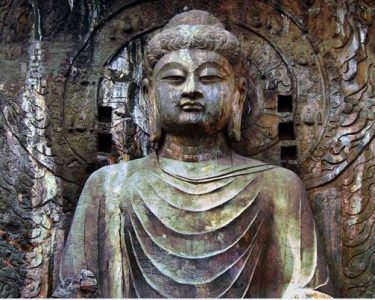
- Temple plus Longmen Grottoes: fits a full day if transport is arranged in advance; this pairing is common because both sites reflect Luoyang’s Buddhist history from different angles.
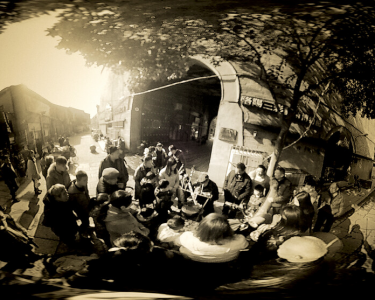
- Temple plus Old Town Luoyang: better suited to travelers who want a cultural contrast — religious architecture in the morning, street-level city history in the afternoon.
Common Mistakes Travelers Make When Visiting
- Assuming one horse-named temple is interchangeable with another — always confirm the Luoyang location and the Han dynasty founding reference before booking.
- Arriving without a hall priority — leads to rushing the oldest and most significant structures at closing time.
- Underestimating transport time from downtown — the temple sits outside the immediate city center, and this is frequently miscalculated by first-time visitors relying only on map estimates without accounting for traffic.
- Skipping the garden or side halls to save time, then discovering afterward that these areas held context that made the main halls more meaningful.
A Practical Scenario: Half-Day vs Full-Day Visitors
A traveler with only a half-day window should prioritize the main halls and pagoda, using taxi transport both ways to avoid bus schedule uncertainty. A traveler with a full day, especially one also planning to see Longmen Grottoes, benefits more from a private car booked for the whole day — the fixed cost is offset by not having to renegotiate transport twice. Travelers who try to do both sites using public transport alone often find themselves cutting the temple visit short to make grotto opening hours, which defeats the purpose of visiting the first Buddhist temple in the country in the first place.
Visitor Checklist Before You Go
- Confirm you’re heading to the Luoyang site, not a similarly named temple elsewhere.
- Decide your transport method based on whether you’re combining sites that day.
- Plan your hall sequence in advance rather than improvising on arrival.
- Check whether nearby sites like Longmen Grottoes fit your timing before committing to a full-day plan.
- Bring appropriate footwear — the grounds involve walking across uneven stone paths between halls.
Why the Founding Story Still Shapes the Visit Today
The temple’s connection to early Buddhism transmission is not just historical trivia — it explains why the site layout emphasizes scripture halls and translation history over purely devotional space. Travelers who understand this before arriving tend to get more out of the visit, because the halls are arranged to tell that transmission story in sequence rather than as isolated shrines.
If you’re finalizing a Luoyang itinerary and want help sequencing this temple against other regional sites, reach out for a suggested route based on your available time.