 By
By Touring White Horse Temple Makes More Sense Once You Follow Its Architectural Zones in Order
First-time visitors to Luoyang usually ask the same question about ten minutes after passing through the front gate: why does White Horse Temple feel like walking through four separate countries instead of one Buddhist site? The answer is straightforward once you understand the layout. The compound grew in distinct phases, and later additions were built in styles borrowed from India, Myanmar, and Thailand rather than in the original Chinese idiom. If you tour White Horse Temple without knowing this, the site reads as a confusing mix of pagodas, domes, and gilded roofs with no obvious logic. Once you know the sequence, the same walk becomes a compact lesson in how Buddhist architecture changed as it moved across Asia.
Why the Site Feels Like Four Different Countries in One Compound
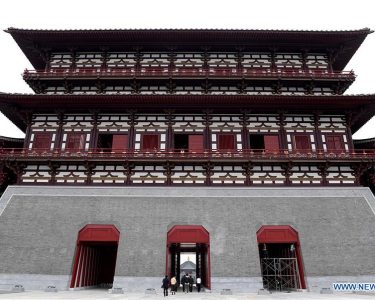
The core of the temple follows a traditional Chinese monastic layout — halls arranged along a central axis, timber bracket systems, tiled roofs with upturned eaves. This is the oldest section and the one most visitors expect to see. The international zones were added later, as gifts and cultural-exchange projects from Buddhist communities in India, Myanmar, and Thailand. Each zone reproduces the architectural vocabulary of its home country rather than adapting it to Chinese style, which is exactly why the transition between zones feels abrupt if you’re not expecting it.
This matters for planning because the zones are not arranged by chronology or by country importance — they’re arranged by available space within the compound. A visitor who assumes “newest first” or “most famous first” will walk in circles. A visitor who follows the physical layout zone by zone gets a coherent architectural narrative instead.
A Self-Guided Route Through the Chinese, Indian, Myanmar, and Thai Zones
This sequence works for most first-time visitors because it follows the natural walking path from the main entrance and groups similar-looking buildings so you don’t backtrack.
Step-by-Step Route
- Start in the Chinese core zone. Checkpoint: locate the main hall’s timber bracket system and compare roof curvature between the front and rear halls — the differences reflect different construction periods. Common failure: visitors rush through this zone to reach the “photogenic” international sections, missing the structural details that explain everything else on the tour.
- Move to the Indian-style zone. Checkpoint: identify the stupa form and any carved stone relief work, then note how the dome-and-spire silhouette differs from the pagoda shape you just saw. Common failure: treating this zone as decorative rather than symbolic, which means visitors miss why the shape itself carries religious meaning distinct from Chinese pagoda design.
- Continue to the Myanmar-style pavilion. Checkpoint: look for the gilded spire and tiered roof profile, and compare the gold tone and roof pitch against what you’ll see next in the Thai zone. Common failure: visitors confuse this zone with the Thai zone because both use gold extensively — slowing down here to note the roofline angle prevents that mix-up.
- Finish at the Thai-style zone. Checkpoint: examine the steep, multi-tiered roofline and any naga serpent motifs along the eaves. Common failure: arriving at midday, when direct overhead light flattens the gilding and the roof detail is hard to photograph or even see clearly — early morning or late afternoon light works better here.
| Zone | Architectural Origin | Key Features to Look For | Suggested Order |
|---|---|---|---|
| Chinese core | Traditional Chinese monastic style | Timber bracket systems, axial hall layout, tiled eaves | 1st |
| Indian zone | Indian Buddhist tradition | Stupa form, carved stone relief | 2nd |
| Myanmar zone | Burmese Buddhist tradition | Gilded spire, tiered pavilion roof | 3rd |
| Thai zone | Thai Buddhist tradition | Steep multi-tiered roofline, naga motifs | 4th |
This order works well for someone with two to three hours. It does not work as well if you’re visiting specifically for a festival or a special exhibition tied to one hall, in which case you should go directly to that hall first and use this route to fill remaining time. The sequence is a general-purpose framework, not a fixed rule.
Common Mistakes First-Time Visitors Make
- Skipping the Chinese core to save time. Without seeing the original halls first, the international zones lose their context — you can’t appreciate a stylistic contrast if you never saw the baseline.
- Photographing before reading any signage. Many buildings have short explanatory plaques near the entrance; skipping these means walking past symbolic details without knowing what they represent.
- Visiting all four zones at the same pace. The Chinese core has more halls and takes longer to walk through properly; the international zones are smaller and faster to see, so allocating equal time to each wastes time in the wrong place.
- Arriving without a rough time budget. Visitors who don’t set checkpoints for themselves often spend too long in the first zone and rush the last one.
- Assuming the zones are arranged chronologically. They’re arranged by available space, not by build date, so trying to tour them “in historical order” leads to unnecessary backtracking.
Budgeting Your Time Across the Zones
How much time to spend in each zone depends on how much total time you have. Here’s a practical breakdown based on the route above.
| Total Visit Time | Chinese Core | Indian Zone | Myanmar Zone | Thai Zone |
|---|---|---|---|---|
| 90 minutes | 40 min | 15 min | 15 min | 20 min |
| 3 hours | 90 min | 30 min | 25 min | 35 min |
| Half day | 2.5 hours | 45 min | 40 min | 50 min |
Worked example: a visitor with only 90 minutes before a scheduled train should spend the bulk of their time in the Chinese core, since that’s where most of the temple’s historical density is concentrated, then move briskly through the three international zones as a comparative coda rather than a destination in themselves. Someone with a half day, by contrast, can slow down in each international zone long enough to read signage and compare architectural details side by side — which is where the real value of a stupa-versus-pagoda comparison becomes clear.
Planning the Rest of Your Luoyang Cultural Itinerary Around the Visit
Because White Horse Temple sits somewhat outside central Luoyang, most itineraries pair it with one other major site on the same day rather than treating it as a standalone half-day trip. If architecture is your main interest, pairing it with a stop that shows earlier or later period Chinese religious buildings gives useful before-and-after context. If you’re building a broader cultural itinerary, treat this temple as the “cross-cultural” stop and save purely Chinese historical sites for a separate day so the architectural contrasts don’t blur together in memory.
A simple decision checklist before you leave your hotel:
- Do you have at least 90 minutes? If not, prioritize the Chinese core only and treat the international zones as a quick walk-through.
- Is your main interest architecture or general sightseeing? Architecture-focused visitors should slow down at each zone’s roofline and structural details; general visitors can move faster and focus on the overall layout.
- Are you visiting during midday? If so, plan your Thai-zone photography for a return pass later in the day when light is softer.
- Do you want signage and context, or just visuals? If context matters, budget extra time to read plaques near each hall entrance.
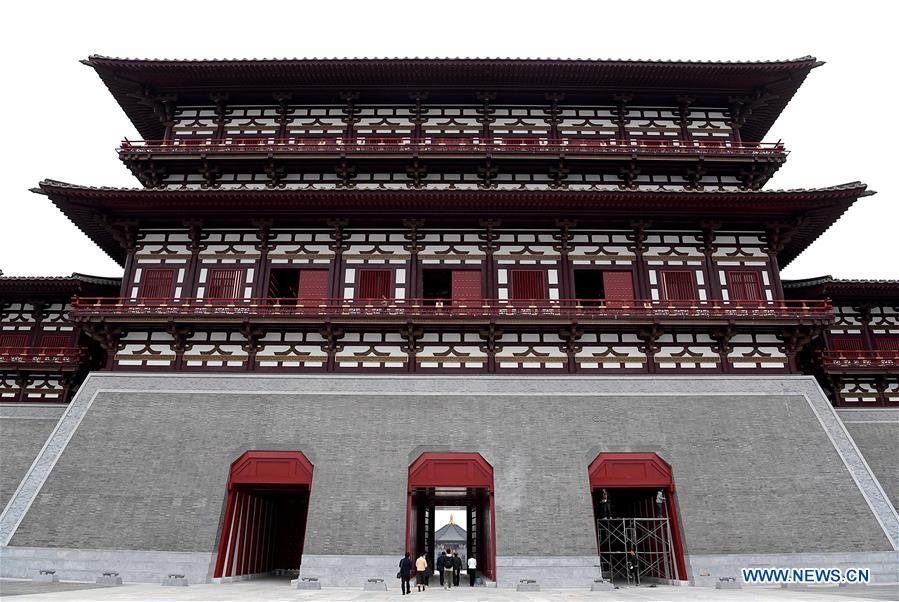
Following the zones in sequence turns a confusing walk into a readable story about how one Buddhist architectural tradition met three others under a single roofline. If you’re mapping out a Luoyang itinerary and want help sequencing White Horse Temple against other regional stops, feel free to reach out for tailored route suggestions.