
Blog
Is White Horse Temple the Oldest Temple in China?

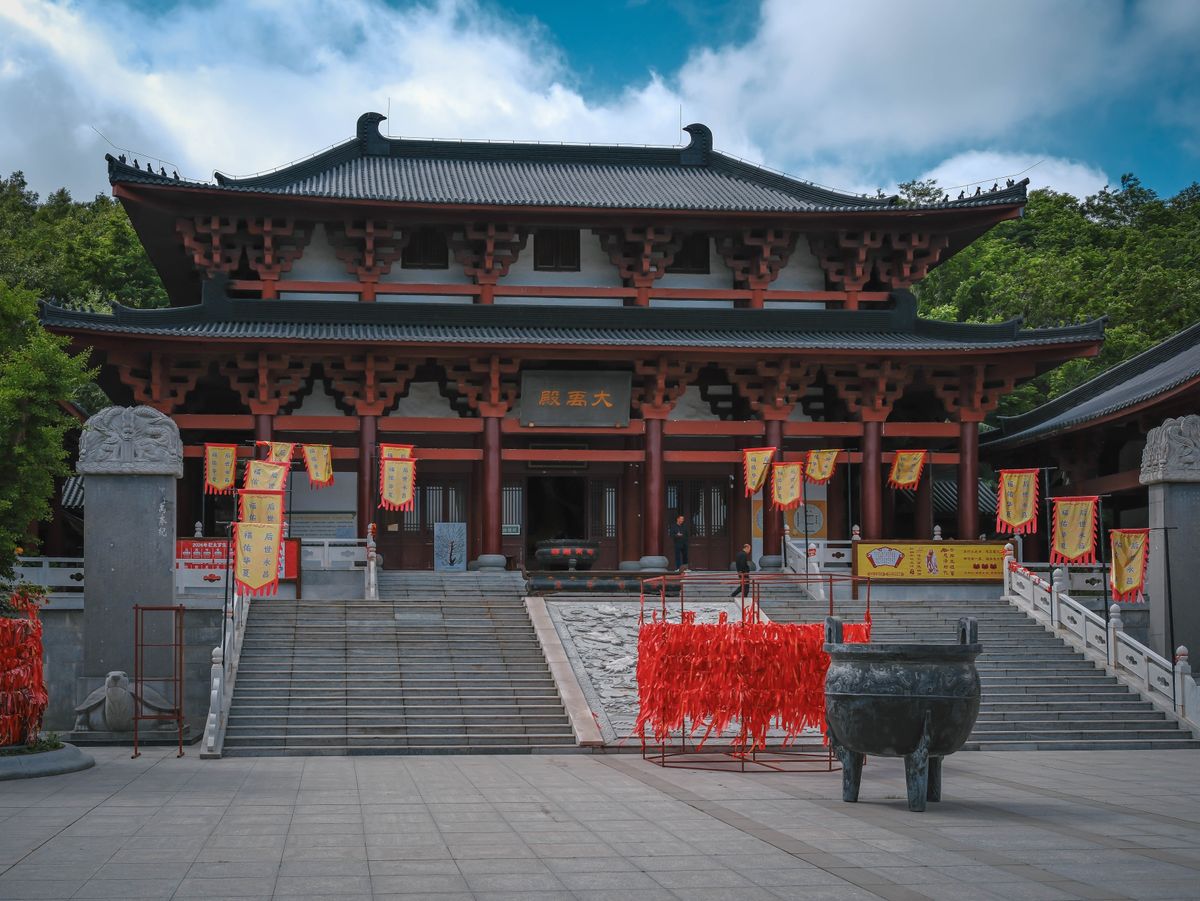
Is White Horse Temple Really the Oldest Temple in China?
Travelers planning a Luoyang itinerary often ask a deceptively simple question: what is the oldest temple in China? The short answer is that White Horse Temple, known in Chinese as Baima Si, is widely credited as China’s first officially built Buddhist temple. But “oldest temple in China” and “oldest Buddhist temple in China” are not identical claims, and mixing them up leads to a lot of confused itinerary planning. This article separates the two, walks through the historical record on Baima Si, and flags exactly where the claim holds up and where it doesn’t.
What Makes White Horse Temple Historically Significant
White Horse Temple sits just east of Luoyang, in Henan province, and is traditionally dated to the Eastern Han dynasty, during the reign of Emperor Ming. Chinese historical records place its founding around 68 CE, following an imperial mission sent west to retrieve Buddhist scriptures. The temple’s name comes from the legend that two white horses carried monks and sutras back to the capital.
This dating matters because it predates most other named Buddhist institutions in the country by a wide margin. Temples built during the Tang or Song dynasties, centuries later, are often mistaken by casual visitors for “ancient” sites — and they are old by most standards, just not this old. If your research goal is verifying the earliest confirmed Buddhist establishment with continuous institutional memory, Baima Si is the reference point historians and tour guides in Luoyang consistently point to.
Where this gets nuanced: the temple has been rebuilt, relocated, and restored multiple times across dynasties. The structures standing today are not physically 2,000 years old. What’s preserved is the site’s identity and founding narrative, not the original timber and brick. This distinction is common across Chinese religious architecture, where wood-frame construction rarely survives more than a few centuries without renovation.
Boundary: Why “Oldest Buddhist Temple” Is Not the Same as “Oldest Temple”
This is the section most fact-checkers skip, and it’s the one that actually resolves the confusion in the original question.
“Oldest temple in China” is a phrase that could apply to Taoist temples, Confucian temples, ancestral shrines, or folk religion sites — many of which have building traditions and worship practices that predate Buddhism’s arrival in China entirely. Buddhism itself only reached China in a documented, court-sponsored way around the 1st century CE. Native Chinese religious structures — ancestral temples, nature-worship altars, early Taoist sites — existed well before that.
So when sources call White Horse Temple “the oldest temple in China,” they are almost always using shorthand for “the oldest Buddhist temple in China.” The claim is specific to one religious tradition, not a blanket statement about all temple architecture in the country.
- Accurate framing: White Horse Temple is China’s oldest Buddhist temple built and sanctioned by imperial decree.
- Inaccurate framing: White Horse Temple is the oldest religious structure of any kind in China.
- Why the distinction matters: Taoist and folk shrines with murkier founding dates may predate Baima Si, but they lack the same documented imperial commission and continuous institutional record.
- What’s not disputed: Among Buddhist sites with a traceable founding date, Baima Si’s claim to being first is rarely challenged by mainstream historians.
If you’re writing a travel caption or a fact-checked article, the safer, more precise phrase is “China’s oldest Buddhist temple” rather than a general “oldest temple.” That single word swap avoids the most common factual complaint historians raise about pop-history sources.
What Is the Oldest Temple in China — A Quick FAQ
When was White Horse Temple built?
Traditional accounts date its founding to around 68 CE, under Emperor Ming of the Eastern Han dynasty. This makes it a fixture of early Chinese Buddhist history, and the founding date is the number most cited in guidebooks and academic overviews of Han-dynasty religious policy.
Is White Horse Temple the first Buddhist temple in China?
It is the first Buddhist temple established with direct imperial sponsorship, according to the historical narrative passed down through dynastic records. Some scholars note that informal Buddhist worship may have existed in China slightly earlier through merchant and diplomatic contact along trade routes, but there’s no comparably documented, standing institution older than Baima Si with an official founding date.
What is the oldest temple in China overall, across all religions?
There’s no single settled answer, because non-Buddhist religious sites in China — particularly Taoist and ancestral worship structures — have histories that are harder to pin to an exact founding year. Unlike Baima Si, many of these sites lack a single, court-recorded founding event, so comparisons become murky fast. This is the core reason “oldest Buddhist temple” is the more defensible phrase.
Does the current temple building date back to 68 CE?
No. Like most historic Chinese temples, the physical structures have been rebuilt and restored across multiple dynasties. The site’s continuous identity and founding legend are what’s preserved, not the original construction materials.
Planning a Visit to Luoyang Buddhist Sites
Luoyang’s Buddhist heritage extends beyond Baima Si, and understanding the broader landscape helps travelers avoid a common mistake: treating one temple visit as a complete picture of the region’s religious history.
| Site | Best For | Limitation to Know Before Visiting |
|---|---|---|
| White Horse Temple (Baima Si) | Founding-era Buddhist history, first-temple narrative | Current buildings are restorations, not original Han-era structures |
| Longmen Grottoes | Buddhist rock carving art spanning multiple dynasties | Different historical layer — carvings began centuries after Baima Si’s founding |
| Other Luoyang temple sites | Broader Han and Tang-era religious context | Documentation and founding dates vary widely in reliability |
A common mistake among first-time visitors is assuming that because Baima Si is “the oldest,” it will also be the most visually elaborate or best preserved. In practice, the Longmen Grottoes nearby offer a much larger, more visually dense complex, since they represent continuous carving activity across several dynasties. Baima Si’s value is historical priority, not architectural scale.
A Practical Checklist Before You Go
- Confirm whether you’re researching Buddhist history specifically, or general Chinese religious history — this changes which claim about Baima Si is relevant to your writing or itinerary.
- Note that the founding date (circa 68 CE) refers to the institution, not the current physical buildings.
- Pair a Baima Si visit with the Longmen Grottoes if your interest is Buddhist art across multiple centuries, not just origin history.
- If citing this temple in an article or presentation, use “oldest Buddhist temple” instead of “oldest temple” to stay factually precise.
For readers building a broader itinerary around Chinese Buddhist heritage, it also helps to compare Baima Si’s founding-era significance against other well-documented Luoyang Buddhist sites before finalizing travel plans. Cross-referencing dynastic records with on-site historical plaques at each stop is the most reliable way to verify dates independently, since guidebook summaries sometimes simplify centuries of restoration history into a single sentence.
Need help sourcing historical reference material or verifying site details for a Luoyang travel guide or research project? Reach out and we can help point you toward the right documentation.
About LyWOW Tours
LyWOW is a locally based travel agency in Luoyang, specializing in private tours for international travelers across Luoyang, Shaolin, Xi’an and Central China. English-speaking guides, flexible itineraries and door-to-door service.
Learn more about us or browse all our tours.