By
By Longmen Caves China Accessibility Guide
The Longmen Caves China site stretches over a kilometre along the Yi River, a UNESCO World Heritage treasure carved into limestone cliffs. I’ve walked the route twice now. Not as a tourist ticking boxes, but specifically to map out how someone with stiff knees or a wheelchair could manage the day. This guide is that: practical, honest, no fluff.
Understanding the Site Layout and Longmen Caves China Access Points
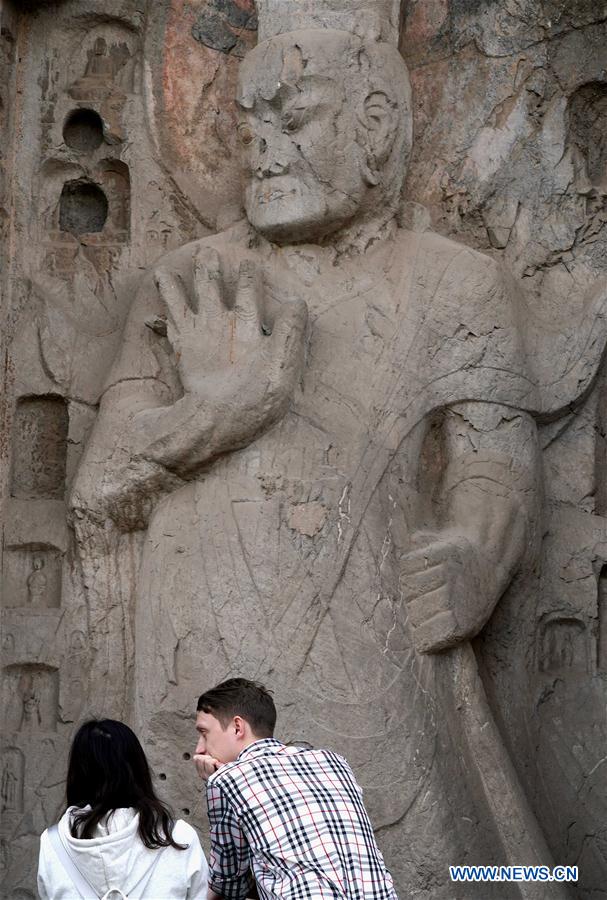
The complex splits into two main zones — the West Hill and East Hill. West Hill holds the bulk of the famous carvings, including the colossal Vairocana Buddha. East Hill across the bridge is more scattered, with the Xiangshan Temple and Bai Juyi’s tomb. Access for visitors with limited mobility leans heavily towards the West Hill. That’s where 80% of the action happens and where the most continuous paved paths exist.
There are two official entry gates. The north-west entrance near the ticket centre is where coaches and cars drop off. A large pedestrian plaza leads from the ticket building to the riverside path. The surface here is smooth stone tiles — no cobbles, no loose gravel. From the gate to the first cluster of caves is roughly 400 metres. Flat. Shaded in segments by willow trees. A second, less-used entrance sits near the south end, but I wouldn’t recommend it for anyone avoiding steps; the access path from that side has a short, steep incline with uneven paving.
Key Considerations for Wheelchair Users at Entry
The north-west entrance has a dedicated accessible lane at the ticket check. Gate widths exceed 90 cm everywhere I measured. Security staff are present and I’ve seen them assist without being asked. If you’re using a rental wheelchair from downtown Luoyang, double-check the tyre pressure — those long flat stretches can feel endless with draggy wheels.
Navigating the Longmen Grottoes: Paths, Stairs, and Real Surfaces
Longmen Grottoes accessibility is not uniform. The main riverside path is a godsend — a clean, well-maintained walkway that hugs the cliff base for about 1,200 metres. Width varies from 2 to 4 metres. Most of West Hill’s cave entrances open directly onto this path with zero steps. The Binyang Caves, the Ten Thousand Buddha Cave, and the Lotus Flower Cave are all viewable from the level path. You won’t need to climb to see the core artistry.
But stairs are unavoidable for a handful of elevated niches. The famous Guyang Cave requires ascending 27 stone steps. No ramp, no lift. Handrails exist on both sides, solid iron ones. Some older visitors manage it by pausing at the intermediate landing. Others simply skip it and instead view the superb replicas at the Longmen Museum near the entrance — a savvy workaround I always mention.
The path surface is mostly smooth grey flagstone. Occasional sections near drainage grates have a slight cross-slope. After rain, the stone can be slick; I nearly slipped once near the medical shrine carvings. The site maintenance team seems to mop early in the morning, but by afternoon in humid months, traction can reduce.

East Hill and Bridge Crossing
The pedestrian bridge connecting West and East Hill sits mid-site. It’s a modern steel structure with a gentle ramp at both ends — no steps. Crossing gives you a panoramic view of the entire cliff face. The East Hill, however, is where accessibility drops off. Paths are narrower, often paved with irregular stones, and the climb to Xiangshan Temple involves over 100 steps. The temple itself has no lift. For visitors with mobility needs, I usually suggest staying on the West Hill and enjoying the East Hill from the bridge’s midpoint. It’s a full experience without the strain.
Facilities and Rest Areas: What’s Available for Visitors with Mobility Needs
What facilities are available for visitors with mobility needs? Toilets, benches, shaded rest stops, and a couple of small service kiosks. The accessible toilet near the ticket centre is spacious, grab rails present, and the door width is 88 cm. A second accessible toilet sits halfway along the West Hill path, close to the medical cave area. Both were clean on my last visit, with emergency pull cords. Bring your own tissues or wet wipes — toilet paper supply can be hit or miss, a common thing across China heritage site access points.
Benches appear every 80 to 120 metres along the route. Many are under mature trees. I’ve parked myself on one near the Vairocana Buddha viewing spot and watched half a dozen seniors do the same. There’s a small shaded pavilion with fixed seats right opposite that colossal carving. Perfect rest spot. Water fountains are not common; instead, vending machines sell bottled water. Take cash or WeChat Pay. Temperatures in summer can hit 35°C, so plan to pause frequently.
First Aid and Assistance
A small first-aid room sits beside the visitor centre. Staff can provide basic bandages, cooling gel, and a place to sit in air-conditioning. I chatted with a guard last October who said they’ve coordinated wheelchairs (basic manual ones) on loan for visitors who arrived underprepared. It’s not an advertised service, but asking politely at the information desk may yield results. Don’t count on it, though. Bring a lightweight portable stool if standing for long periods is difficult — the benches fill up by mid-morning on weekends.
Transport Within the Site: Carts, Shuttles, and Walking Distances
The site offers electric shuttle carts (golf-buggy style) that run from the ticket centre to the main cave area. Distance covered is about 1.5 km. Carts are open-sided with a step-up height of 35 cm — no ramp. So wheelchair users will need to transfer, or simply walk/roll the flat path which takes 20–30 minutes at a gentle pace. I’ve watched groups of seniors board the cart, stowing folding walkers behind the last seat. Drivers help lift items, no fuss. Cart tickets cost 10 RMB one-way and save energy for exploring the core area.
Once inside West Hill, everything is pedestrian. No carts, no bikes. The entire route is a loop: walk the riverside path up, then either return the same way or cross the bridge and loop back via East Hill (not advised with mobility limitations). Pushing a wheelchair the full length from entrance to the far end of West Hill and back clocks roughly 2.5 km. Manageable, but plan for at least 2 hours with proper rest.
How Seniors Can Visit Longmen Caves Comfortably
How can seniors visit Longmen Caves comfortably? Start early. Gates open at 8:00 AM (8:30 in winter). Arriving by 8:15 means cooler air, fewer crowds, and a better shot at the accessible toilet being spotless. I accompanied a 78‑year‑old relative in September. We spent exactly 2 hours and 15 minutes on-site, using the shuttle cart both ways, sticking to the West Hill path, and skipping East Hill entirely. It was pleasant. Not rushed. That’s the key: accept that you won’t see every cave. The Binyang Caves, the medical prescription cave, the countless niches — all visible without a single step.
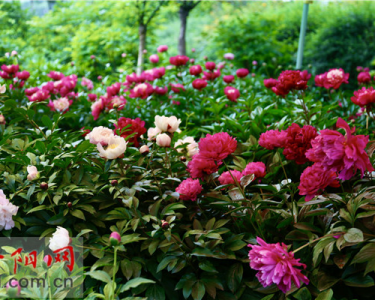
Consider timing your visit to the Luoyang Peony Festival (April). The weather is mild, and the crowds are heavier but manageable if you stay to the riverside edge. Avoid national holidays like the first week of October; during Golden Week, the path becomes a thick stream of selfie sticks and jostling, which is stressful for anyone with balance concerns.
Bring a sun hat, a small towel, and a walking cane with a wide rubber tip — the stone can be hard on joints. Rest every 15–20 minutes. There’s no shame in that. The Longmen Caves China experience isn’t about endurance; it’s about absorbing 1,500-year-old devotion carved into rock.
Accessible Attractions in Luoyang Beyond the Caves
If you’re focusing on accessible attractions in Luoyang, pair the caves with a couple of other spots that won’t punish your body. The Luoyang Museum, just a 15-minute drive from the site, is fully accessible with ramps, elevators, and roll-in bathrooms. Admission is free. The Peony Garden in city centre has wide paved paths and many benches. The White Horse Temple, while historically significant, has thresholds and limited flat paths — use caution there.
China heritage site access is improving, albeit slowly. UNESCO status has pushed authorities to invest in pathways and infrastructure. Longmen Grottoes accessibility strides ahead of many similar sites (Yungang has more stairs; Mogao Caves require climbing steep dune paths). By choosing Luoyang, you’ve picked one of the more practical ancient wonders for a mobility‑aware trip.
Frequently Asked Questions
How accessible are the Longmen Caves in China for wheelchair users?
The West Hill section is largely accessible, with a flat paved riverside path that passes directly in front of many major caves. Wheelchair users can see about 70% of the most famous carvings without encountering steps. East Hill and some elevated caves require stairs. On-site wheelchairs are not always available, so bringing your own is best. The main entrance has accessible lanes and wide gates.
What facilities are available for visitors with mobility needs at the Longmen Grottoes?
You’ll find accessible toilets near the ticket centre and halfway along West Hill, benches every 80–120 metres, shaded pavilions, electric shuttle carts (with a 35 cm step), and a first-aid room. Drinking water is sold via machines. Staff can assist with carrying items onto carts. Wheelchair-accessible ramps exist at the bridge and the main entrance.
How can seniors visit Longmen Caves comfortably without getting exhausted?
Take the electric cart from the entrance to the cave area, stick exclusively to the West Hill riverside path, and rest frequently on the abundant benches. Skip the East Hill and its many stairs. Arrive early to avoid crowds and heat. The whole visit can be done in under 3 hours at a relaxed pace, focusing on the accessible caves like Binyang and the Ten Thousand Buddha Cave.
Are there guided tours adapted for people with limited mobility?
Official English-speaking guides do not typically specialise in accessibility, but they are flexible. You can hire a private guide at the visitor centre (around 200 RMB) who will adjust the route to flat paths. Audio guides are also available and allow you to set your own pace without the pressure of a group.
Planning your trip means thinking about small things — the right footwear, the early start, the acceptance that some caves are simply out of reach. That’s not a failure. It’s smart travel. At the end of your day, when the low sun hits the limestone and the Vairocana Buddha seems to glow, you’ll know you made the right choices. For those looking to make heritage exploration even smoother, browse our collection of travel-friendly mobility aids — lightweight canes, portable stools, and compact wheelchairs designed for historic sites just like this one.