 By
By How to Identify Longmen China’s Largest Buddha Sculptures
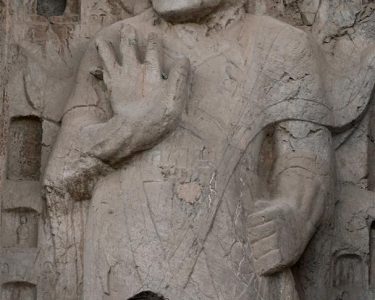
Which statue at Longmen is actually the biggest, and how do you tell one giant Buddha from another once you’re standing in front of dozens of carved niches? First-time visitors and researchers face this exact problem: the site spans over a thousand caves along the Yi River, and size alone doesn’t tell you which dynasty commissioned a piece or why it matters. Longmen China — more precisely, the Longmen Grottoes near Luoyang — contains sculpture work spanning several centuries, and getting the scale and dating wrong is a common mistake in trip planning and academic citation alike. This guide breaks down the parameters that actually distinguish the major figures, so you know what to look for and why it matters.
Why Size and Cave Location Get Confused So Often
Visitors frequently assume the largest statue must sit in the most famous cave, or that bigger automatically means older. Neither assumption holds up. Scale at Longmen reflects imperial patronage patterns, available rock face, and the specific Buddhist iconography sponsors wanted represented — not a simple progression from small to large over time. Caves were carved in phases across different ruling periods, and later dynasties sometimes added to or restored earlier work, which muddies the picture further for anyone reading site descriptions casually.
The practical consequence: if you’re citing a sculpture’s dimensions in a paper, or trying to locate “the big one” during a site visit, you need the cave name, not just a general reference to “Longmen.” Getting this wrong means misattributing a Tang dynasty sculpture to an earlier period, or sending visitors to the wrong grotto entirely.
What Each Identifying Parameter Actually Tells You
When researching or touring Longmen, four parameters do the real work of identification. Understanding what each one affects — and what happens if you ignore it — prevents the confusion described above.
Cave Name and Number
This is the single most reliable identifier. Cave names like Fengxian Temple or Guyang Cave pinpoint an exact location on the cliff face and correspond to a specific commissioning period. If you skip this and rely only on “a large Buddha at Longmen,” you cannot distinguish between multiple large-scale figures carved centuries apart. For citation purposes, always pair the statue’s description with its cave name.
Dynastic Period
The Tang dynasty and the earlier Northern Wei period produced sculpture with distinct stylistic traits — facial proportions, drapery treatment, and posture all shifted between eras. Misdating a piece affects more than academic accuracy; it changes how you interpret the artistic and political context behind its commissioning. If a sculpture is attributed to the wrong dynasty, comparisons to other Tang dynasty sculpture elsewhere in China become meaningless.
Statue Height and Scale Class
Height determines visibility and photographic framing, but it also signals patronage level — imperial-sponsored works tend toward monumental scale, while smaller niches often reflect private or lower-tier donations. Relying on height alone, without cave context, leads people to assume the largest figure is automatically the most historically significant, which is not always accurate.
Iconographic Identity
Knowing whether a figure represents a Buddha, bodhisattva, or guardian figure changes how you read its posture and hand gestures. The Vairocana Buddha Longmen sculpture, for instance, follows specific iconographic conventions tied to its doctrinal role, distinct from flanking bodhisattva figures in the same cave. Confusing the central Buddha with an attendant figure is a frequent error in casual site descriptions.
Comparison: Size and Location Reference Table for Longmen’s Major Sculptures
The table below distinguishes the site’s most frequently referenced large-scale sculptures by cave setting and dynastic context, addressing the common questions: what is the largest Buddha at Longmen China, where is the Vairocana Buddha at Longmen, and which Longmen cave has the biggest statues.
| Sculpture / Figure | Cave Setting | Dynastic Context | Relative Scale Notes |
|---|---|---|---|
| Vairocana Buddha | Fengxian Temple (Fengxian Si) | Tang dynasty | Widely regarded as the largest and most prominent figure at the site; central to the open-air Fengxian Temple ensemble |
| Flanking bodhisattva figures | Fengxian Temple, adjacent to the main Buddha | Tang dynasty | Large-scale but subordinate in height and iconographic rank to the central Buddha |
| Guardian and heavenly king figures | Fengxian Temple, outer niche walls | Tang dynasty | Monumental in stature, positioned to frame the central grouping |
| Central Buddha, Guyang Cave | Guyang Cave | Northern Wei period | Smaller in overall scale than Fengxian Temple’s Vairocana, but historically earlier and densely surrounded by smaller votive niches |
| Central Buddha, Binyang Central Cave | Binyang Central Cave | Northern Wei period | Moderate scale, notable for early stylistic characteristics distinct from later Tang work |
This reference table matters practically: if your research or itinerary references “the largest Buddha,” the table confirms that distinction belongs to the Vairocana Buddha in Fengxian Temple, not to earlier Northern Wei carvings elsewhere on the cliff. Mixing these up in a caption or lecture is one of the most common sourcing errors involving Longmen Grottoes statues.
A Practical Walkthrough for On-Site Identification
For visitors planning a self-guided tour, here is a step-by-step approach that avoids the common mix-ups described above.
- Start with a site map and locate Fengxian Temple first — it houses the largest figure and serves as a scale reference point for everything else you’ll see.
- Note the cave name at each stop before photographing or recording notes. Relying on memory after visiting a dozen caves is where most misattribution happens.
- Check flanking figures separately from the central Buddha. Bodhisattvas, guardians, and heavenly kings each carry different iconographic roles even within the same niche.
- Cross-reference dynastic period against the cave, not against the statue’s apparent condition — weathering can make Tang-era work look older than it is.
- If citing figures for academic or educational material, always pair the sculpture description with cave name and dynasty, following the format used in the comparison table above.
Common Mistakes When Researching or Touring Longmen
- Assuming “Longmen” refers to one cave. The site includes numerous caves carved across different centuries; treating it as a single monument obscures meaningful distinctions.
- Confusing scale with age. Larger does not mean older — the Vairocana Buddha at Fengxian Temple postdates several smaller Northern Wei carvings.
- Overlooking flanking figures. Guardian and bodhisattva statues surrounding the main Buddha are often large-scale themselves and easy to misidentify as secondary Buddha figures.
- Citing dimensions without a cave reference. A height figure alone is not verifiable or useful without naming the specific cave and dynasty.
- Skipping the approach path context. Some of the most significant carvings sit along less-trafficked sections of the cliff, not just at the main entrance cluster.
Frequently Asked Questions
What is the largest Buddha at Longmen China?
The largest and most widely documented figure is the Vairocana Buddha, located in Fengxian Temple, dating to the Tang dynasty. It anchors the open-air grouping that includes flanking bodhisattvas and guardian figures.
Where is the Vairocana Buddha at Longmen?
It sits within Fengxian Temple, one of the largest open-air niches at the Longmen Grottoes complex along the Yi River cliffs near Luoyang.
Which Longmen cave has the biggest statues?
Fengxian Temple holds the site’s largest sculptural grouping by scale, including the central Vairocana Buddha and its surrounding attendant and guardian figures, all attributed to the Tang dynasty.
For teams preparing educational materials, exhibition captions, or travel itineraries referencing these sculptures, we’re glad to help verify cave names and sequence details against your draft content — feel free to send over your notes or spec sheet for a review.