By
By Comparing Luoyang City China’s Historic Districts for Your Ideal Visit
Navigating the historical richness of
Luoyang city China presents a delightful challenge for first-time visitors. With centuries of imperial history encapsulated in various districts, understanding the unique character and offerings of each area is crucial for optimizing your itinerary. This guide provides a clear, actionable comparison of Luoyang’s primary historic districts, helping you decide where to focus your time for an experience that aligns with your specific interests.
Understanding Luoyang’s Historical Tapestry
Luoyang, often hailed as one of China’s Four Great Ancient Capitals, boasts a heritage spanning over 4,000 years. It served as the capital for numerous dynasties, leaving behind a complex mosaic of cultural and historical sites. From ancient city walls to Buddhist cave temples, each historic district in Luoyang tells a different part of this grand story. For visitors, the key is to move beyond generic descriptions and understand the distinct appeal of Luoyi Ancient City, the traditional Old Town, the monumental Longmen Grottoes, and the various temple areas. Making an informed choice among these Luoyang attractions can transform a good trip into an unforgettable journey.
Comparing Luoyang’s Historic Districts: Luoyi Ancient City, Old Town, Longmen, and Temple Areas
When planning your visit to Luoyang, distinguishing between the different historic areas is paramount. Each offers a unique window into the city’s past and present, appealing to diverse visitor preferences. Here’s a detailed comparison to guide your selection:
| District Name | Historical Period & Focus | Atmosphere & Vibe | Estimated Walking Time | Best Visitor Purpose |
|---|---|---|---|---|
| Luoyi Ancient City (洛邑古城) | Primarily Tang Dynasty reconstruction and cultural revival. Focus on traditional architecture, crafts, and performance. | Vibrant, bustling, modern interpretation of ancient grandeur. Illuminated beautifully at night, lively market feel. | 2-4 hours (especially in the evening) | Evening strolls, cultural performances, local snacks, souvenir shopping, photography, family outings. |
| Old Town Luoyang (老城) | Ming and Qing Dynasty streetscapes. Focus on everyday life, traditional commerce, and local cuisine. | Authentic, historical, less polished than Luoyi. Offers a glimpse into traditional Luoyang life. Can be quieter during the day. | 1-3 hours | Authentic local food, traditional markets, historical architecture exploration, experiencing local daily life. |
| Longmen Grottoes (龙门石窟) | Northern Wei to Tang Dynasties. Focus on Buddhist art, colossal sculptures carved into limestone cliffs. A UNESCO World Heritage site. | Awe-inspiring, spiritual, monumental. Requires significant walking and appreciation for intricate stone carvings. | 3-5 hours (including museum and ferry/walk) | Deep historical and artistic immersion, UNESCO site exploration, photography of ancient religious art, significant cultural experience. |
| Temple Areas (e.g., White Horse Temple, Guanlin Temple) | Varies by temple (e.g., White Horse Temple: Eastern Han; Guanlin Temple: Ming Dynasty). Focus on religious history, specific deities, and serene temple architecture. | Peaceful, contemplative, historically significant. Offers a quieter, more reflective experience. | 1.5-2.5 hours per temple (excluding travel) | Religious history, spiritual reflection, architectural study, escape from crowds, understanding specific cultural narratives. |
Luoyi Ancient City offers a captivating blend of historical homage and modern vibrancy. While it’s a relatively recent reconstruction, its Tang-style architecture, intricate courtyards, and lively cultural performances create an immersive atmosphere. It excels as an evening destination when lanterns glow, and street vendors offer a plethora of local delicacies. This district is ideal for those seeking a dynamic cultural experience with excellent photo opportunities and entertainment. A key advantage is its accessibility and the sheer variety of activities packed into a manageable area.
In contrast, Old Town Luoyang provides a more rustic, authentic glimpse into the city’s past. Its narrow alleyways and traditional buildings date back to the Ming and Qing dynasties, offering a less curated experience. Here, you’ll find local residents going about their daily lives, alongside eateries serving classic Luoyang dishes and shops selling traditional goods. It’s the perfect spot for culinary exploration and for those who appreciate history with a lived-in feel, away from the more tourist-centric developments. However, its charm lies in its authenticity, meaning fewer organized attractions and more spontaneous discovery.
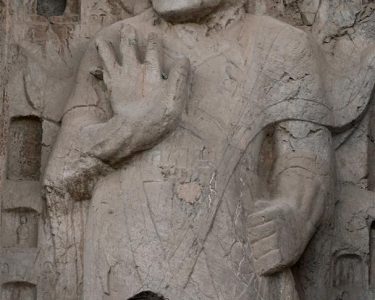
The Longmen Grottoes stand apart as a monumental testament to Buddhist artistry and devotion. Carved into the limestone cliffs along the Yi River, these thousands of statues and niches span centuries of artistic evolution. As a UNESCO World Heritage site, it’s an essential pilgrimage for anyone interested in Chinese art, religion, or ancient history. The sheer scale and intricate detail are breathtaking. Be prepared for extensive walking, as the site stretches for over a kilometer on both banks. This destination is not for a quick visit; it demands time and a willingness to absorb its profound historical significance. For more detailed insights into the historical context of the grottoes, Wikipedia offers a comprehensive overview.
Finally, Luoyang’s various Temple Areas, such as the storied White Horse Temple (considered the “Cradle of Chinese Buddhism”) and Guanlin Temple (dedicated to the revered general Guan Yu), offer distinct spiritual and historical experiences. These sites typically feature serene courtyards, historical pagodas, and detailed iconography. They are ideal for visitors seeking a quieter, more reflective experience, focusing on specific religious or historical narratives. While less bustling than Luoyi Ancient City, their historical depth is immense. Planning to visit these requires understanding their specific locations, as they are often outside the immediate city center and may require dedicated travel time.
Choosing the Right Historic Experience in Luoyang City China
Deciding which Luoyang historic districts to prioritize depends heavily on your interests, available time, and travel style. Here’s a decision checklist to help tailor your itinerary for Luoyang city China:
-
For Evening Ambiance & Lively Culture: Prioritize Luoyi Ancient City.
- Reasoning: Its modern reconstruction shines brightest at night with lights, performances, and street food.
- Scenario: You have an evening free after visiting a daytime attraction, or you enjoy vibrant market atmospheres.
- Limits: Less emphasis on untouched historical authenticity; can be very crowded.
-
For Authentic Local Life & Traditional Food: Focus on Old Town Luoyang.
- Reasoning: Offers genuine Ming/Qing dynasty streetscapes and local culinary delights in a less tourist-oriented setting.
- Scenario: You are a food enthusiast or prefer exploring less-restored historical areas.
- Limits: Fewer organized attractions; atmosphere can be quieter during the day.
-
For World-Class Ancient Art & Monumental History: Allocate significant time to Longmen Grottoes.
- Reasoning: A UNESCO site with thousands of incredible Buddhist sculptures spanning centuries.
- Scenario: You have a strong interest in art history, religious studies, or visiting globally significant heritage sites.
- Limits: Requires extensive walking; can be physically demanding; primarily a daytime activity.
-
For Spiritual Reflection & Specific Dynastic History: Consider dedicated visits to Temple Areas.
- Reasoning: Sites like White Horse Temple offer deep insights into specific historical periods and religious practices.
- Scenario: You seek tranquility, have an interest in specific spiritual traditions, or appreciate ancient temple architecture.
- Limits: Often require separate travel arrangements; may not offer the same “bustle” as other districts.
-
If You Have Limited Time (e.g., Half-Day):
- Recommendation: Choose either Luoyi Ancient City (for an evening experience) or focus intently on a specific section of the Longmen Grottoes if art is your priority.
- Reasoning: These offer condensed, high-impact experiences.
- Limits: You will undoubtedly miss significant aspects of Luoyang’s broader history.
Practical Tips for Navigating Luoyang’s Heritage Sites
Efficiently exploring Luoyang historic districts requires some practical planning. Here are actionable tips to enhance your visit:
- Transportation Strategy: Luoyang has a developing subway system, but many heritage sites are best reached by taxi or ride-sharing apps (like Didi). For Longmen Grottoes, consider combining a taxi with local buses or electric carts within the site to save energy. Ensure you have a local SIM card or reliable Wi-Fi for navigation.
- Best Time to Visit: Spring (April-May) and Autumn (September-October) offer the most pleasant weather for walking and outdoor exploration. Avoid major Chinese holidays if possible, as sites will be considerably more crowded. For Luoyi Ancient City, the evening is undoubtedly the most atmospheric, but visiting during the late afternoon allows you to see it transition from day to night.
- Footwear Matters: You will be doing a lot of walking, especially at the Longmen Grottoes and within the sprawling Luoyi Ancient City. Comfortable, supportive footwear is non-negotiable.
- Hydration and Snacks: While vendors are plentiful in Luoyi Ancient City and Old Town, it’s wise to carry water, especially when visiting the Longmen Grottoes or temples, where facilities might be more spread out.
- Digital Tools: Download translation apps and offline maps. Many local signs might only be in Chinese, and while major attractions have English information, local interactions will benefit from translation.
- Understanding Entrance Fees: Most major Luoyang attractions have entrance fees. It’s advisable to check current prices online before your visit. Some sites offer discounts for students or seniors with valid identification.

Beyond the Main Attractions: Other Luoyang Attractions
While the comparison above covers the most prominent Luoyang historic districts, the city offers other significant sites that might pique your interest depending on your itinerary and travel time. The White Horse Temple, located outside the city center, holds immense historical importance as China’s first Buddhist temple, established in 68 AD. Its serene courtyards and ancient pagodas offer a contemplative experience. Similarly, Guanlin Temple, dedicated to the legendary general Guan Yu, is another notable religious site, particularly for those interested in the Three Kingdoms period and folk religion. For a different kind of historical insight, the Luoyang Museum houses an extensive collection of artifacts from the various dynasties that made Luoyang their capital, providing a comprehensive overview of the region’s archaeological treasures. Integrating a museum visit can provide valuable context to the sites you explore. For a general historical background of the city, Wikipedia provides a detailed history of Luoyang.
Making an informed decision about which Luoyang historic districts to explore will significantly enhance your visit to this ancient capital. By understanding the unique appeal, historical context, and practical considerations of each area, you can craft an itinerary that truly resonates with your interests, whether you seek bustling cultural immersion, authentic local experiences, monumental art, or serene spiritual reflection within Luoyang city China.
When planning complex itineraries or seeking detailed destination insights, our team offers objective, data-driven advice to help you make informed decisions.