 By
By Luoyang Henan China: Your Complete Guide to the Ancient Capital
When you step into Luoyang Henan China, you walk into four millennia of history. This city was the capital of 13 dynasties. The ground under your feet has seen emperors, poets, and the birth of Chinese Buddhism. Today, Luoyang offers a rare blend of UNESCO‑listed grottoes, vibrant flower festivals, and steamy bowls of noodles that few travelers get to experience firsthand.
History That Shaped a Nation
Luoyang sits on the central plains of Henan province, right where the Luo and Yi rivers meet. This is the cradle of Chinese civilization. The earliest known dynasty, the Xia, may have had its roots here. The Zhou, Han, Wei, and Tang all chose Luoyang as their seat of power. The city’s name still echoes in classical poetry and silk‑road lore.
Walking the old city today, you sense layers. Pagoda shadows stretch across modern bike lanes. In our experience, the best way to grasp Luoyang’s weight is to visit the Longmen Grottoes early in the morning. You get the carvings to yourself—and the soft river mist.
Longmen Grottoes
Carved into limestone cliffs stretching a kilometer along the Yi River, the Longmen Grottoes house over 100,000 Buddha statues and 2,300 niches. The smallest figure fits in your palm. The largest, the Vairocana Buddha, towers 17 meters high. Construction started in 493 AD under the Northern Wei. The work spans more than 400 years. Every dynasty added its own style, from the slim, ethereal figures of the Wei to the fuller, more earthly Tang sculptures. If you stand at the foot of the Vairocana just before sunset, the stone face catches a warm glow that makes the whole climb worth it.
White Horse Temple
Founded in 68 AD, White Horse Temple is China’s first Buddhist monastery. It got its name from the white horses that carried scriptures from India. The temple complex today holds halls from several dynasties, along with a Thai, Burmese, and Indian temple built through international cooperation. The original pagoda—Qiyun Pagoda—dates from the 12th century. It stands slightly tilted, a 13‑story brick tower that has survived countless earthquakes. Light incense and walk the quiet courtyards. Even on a busy Sunday you can find a corner of calm.
Top Things to Do in Luoyang Henan China
The Peony Festival
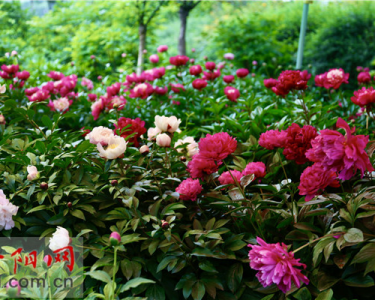
Come mid‑April, the entire city turns pink, white, and deep magenta. Luoyang’s peony obsession runs deep—the flower is the city emblem. The Luoyang Peony Festival draws over 10 million people each spring across a dozen parks. Wangcheng Park alone showcases over 500 varieties. The star is the “Yao Huang,” a double‑petaled yellow peony that costs a small fortune to cultivate. We’ve seen gardeners guard single plants around the clock during peak bloom. Avoid weekends if you can; weekdays give you room to admire the blooms without elbow jostling.
Old Town and Lijing Gate
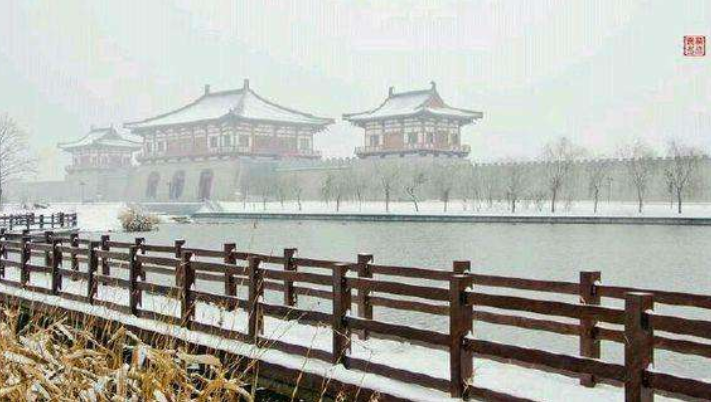
Luoyang’s Old Town converges on Lijing Gate, a reconstructed Ming‑era gatehouse lit by lanterns at night. The pedestrian streets behind it bristle with snack stalls. You can smell grilled lamb skewers, candied hawthorn, and the city’s famous Luoyang Water Banquet. The water banquet isn’t one dish but a parade of 24 courses, each served in broth—soup after soup, hence “water.” Try the peony‑shaped radish slices in chicken consommé. It’s theatrical and surprisingly delicate.
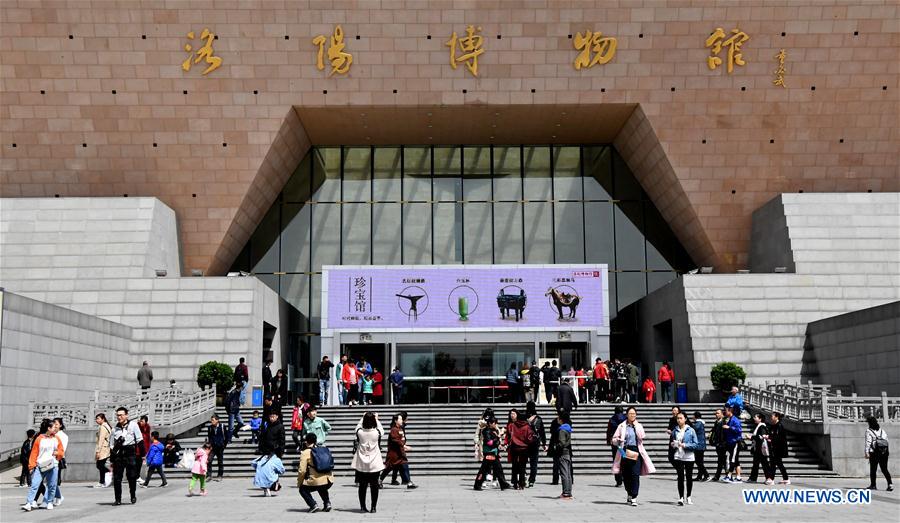
Luoyang Museum
If you only have one rainy afternoon, spend it here. The Luoyang Museum covers 20,000 square meters with exhibits from the Shang dynasty to the Tang. The star pieces are the Tang‑sancai ceramics—three‑color glazed horses and camels that traveled the Silk Road. The museum is free with a passport, and the English signage has improved massively since 2022. Give yourself two hours minimum.
Getting to Luoyang Henan China
Luoyang is well‑connected even though it’s not a tier‑1 city. The high‑speed rail has changed everything. From Zhengzhou, the provincial capital, the journey takes barely 35 minutes. Beijing to Luoyang is around 3 hours on a G‑train. Xi’an, the old western capital, is just over an hour away. The train station you want is Luoyang Longmen, not the older Luoyang station. Longmen station sits 12 km south of the city center; a taxi to the grottoes costs ¥25–30.
By Air
Luoyang Beijiao Airport handles domestic flights from Shanghai, Guangzhou, Chengdu, and a few other hubs. International flights are still rare, so most overseas visitors land in Zhengzhou and take the train. The airport is small, just 11 km from downtown. In a pinch, the Didi ride from Zhengzhou airport to Luoyang takes about 2 hours and costs around ¥300.
Local Transport
Buses 53 and 81 connect the train station to Longmen Grottoes for ¥2. Didi is cheap and reliable across the city. The metro Line 1 opened in 2021 and runs east‑west through the city center, making it easy to hop between Old Town and the peony parks without traffic.
Best Time to Visit
Peony season—mid‑April to early May—is the obvious pick. Daytime temperatures hover around 22°C. The city buzzes with festival energy. Book hotels 3–4 weeks ahead; prices can double during the festival’s first weekend. If crowds aren’t your thing, autumn is spectacular. October days are gold‑tinged and crisp. The grottoes look stunning against a clear blue sky, and you can photograph the Vairocana without a hundred selfie sticks in the frame. Avoid July and August: Luoyang turns hot and humid, often above 35°C, and summer storms can flood the roads near the grottoes.
Local Cuisine You Can’t Miss
Luoyang’s food scene goes way beyond the water banquet.
Luoyang Water Banquet
As mentioned, this 24‑course soup feast is the city’s culinary calling card. The most famous course is “Peony Swallow Dish”—thin radish slices arranged like a peony flower, floating in a clear broth. The flavor is subtle, almost sweet. Many restaurants near Lijing Gate offer a scaled‑down version of 8‑10 courses for ¥88–128 per person.
Street Food
Night markets on Zhuangyuanhong Road fire up around 6 p.m. Stalls grill lamb skewers seasoned with cumin and chili. Look for hulatang—a peppery soup with beef strips, tofu skin, and wood ear mushrooms—that locals eat for breakfast. A bowl costs ¥6. Pair it with a fried dough stick (youtiao) and you’re full until noon.
Luoyang Beef Soup
Another morning staple: beef soup with glass noodles. The broth simmers for hours with star anise, cinnamon, and ginger. Tear flatbread into the bowl and spoon it up. One bowl at Nanguan Xiaowan Beef Soup will set you back ¥15–20. Arrive before 9 a.m. for the freshest batch.
Where to Stay
For easy access to Old Town and night markets, pick a hotel near Xigong District. The area around Wangfujing Department Store has mid‑range chains like Holiday Inn Express (from ¥350/night). If you want to be close to the grottoes, book a room near Longmen station. The Luoyang Dongshan Hotel sits practically inside the scenic area and offers a view of the Yi River; expect to pay ¥600–800. Budget travelers will find clean hostels in the old city for under ¥100 a bed. Jiangshe Hostel on Jiudu Road has a rooftop that catches the breeze in spring.
Frequently Asked Questions
What is Luoyang famous for?
Luoyang is known for the Longmen Grottoes, a UNESCO World Heritage site containing over 100,000 Buddha statues, and the annual Peony Festival that celebrates the city’s emblematic flower. It’s also the birthplace of Chinese Buddhism, home to the White Horse Temple, and the origin of the Luoyang Water Banquet.
How do I get from Zhengzhou to Luoyang?
The fastest way is the high‑speed train from Zhengzhou East station to Luoyang Longmen station—35 minutes, around ¥60. Trains run every 30 minutes. A taxi from Zhengzhou city center takes about 2 hours and costs ¥300–400, depending on traffic.
How many days do I need in Luoyang Henan China?
Plan at least two full days. Day one: Longmen Grottoes in the morning, White Horse Temple in the afternoon, Old Town at night. Day two: peony parks in spring or Luoyang Museum and cooking a water banquet lunch. Add a third day if you want to hike Mount Mangshan or explore nearby Shaolin Temple, just an hour away by bus.
Can I use credit cards or Alipay in Luoyang?
Alipay and WeChat Pay are accepted everywhere, from big hotels to street food stalls. International credit cards work at major hotels and larger restaurants, but cash (RMB) is still handy for small vendors. ATMs that accept foreign cards are easy to find near the train station and shopping malls.
Why Luoyang Matters for Your Business Journey
Luoyang isn’t just a cultural time capsule—it’s a growing industrial hub in Henan province. The city manufactures heavy machinery, refractories, and glass products. Understanding local rhythms, whether you’re scouting suppliers or building client relationships, starts with grasping the culture that shaped them. Walking the ancient streets gives you a feel for the perseverance and craftsmanship that Henan companies bring to export markets.
Ready to expand your reach with reliable B2B export solutions? Our team connects you with verified manufacturers and handles the logistics so you can focus on what matters. Let Luoyang’s legacy of craftsmanship fuel your next move.