
Blog
Luoyang in China: Peony Culture and City Events

Luoyang in China: Peony Culture and City Events
Luoyang in China is known for far more than its ancient capitals and archaeological treasures. Every spring, the city becomes a vast garden as peonies bloom in parks, along streets, near museums, and across public squares. Here, the flower is more than a seasonal attraction. It is woven into local identity, poetry, painting, tourism, cuisine, and the way residents welcome guests.
For international travelers, Luoyang offers a compelling mix of old and new. Its historical roots run deep, but its cultural calendar remains lively and current. You might spend the morning looking at Tang dynasty art, walk through a peony garden in the afternoon, then end the day with a public performance or a meal of Luoyang water banquet dishes.
Why Peonies Matter in Luoyang
Peonies have been cultivated in Luoyang for more than a thousand years. During the Sui and Tang dynasties, the flower became closely associated with imperial gardens, literary culture, and elegant city life. Historical poems praised its saturated colors and generous, layered petals. In time, peonies moved beyond palace grounds and appeared in public parks, home gardens, paintings, embroidery, ceramics, and commercial design.
Local varieties are admired for their broad range of colors and forms. Depending on the garden and the stage of the season, visitors may find deep red, blush pink, white, yellow, and purple blooms. Some flowers are tightly formed, while others open into wide layers of soft petals. The gardens are especially striking in the morning, when the light is clear and the paths are usually less crowded.
The peony also carries a meaningful cultural message. In Chinese tradition, it is often linked with prosperity, dignity, beauty, and good fortune. This symbolism helps explain why peony motifs appear on gifts, hotel interiors, festival posters, packaging, and public art throughout the city.
Luoyang Peony Festival: The City’s Best-Known Annual Celebration
The Luoyang peony festival is the city’s signature spring event. It typically runs from early April into early May, although exact dates depend on weather patterns and flowering conditions. The main bloom period often falls in mid-April, when visitors have the best chance of seeing large areas filled with open flowers.
When is the Luoyang Peony Festival?
The Luoyang Peony Festival is generally held from April to early May each year. The official opening date can shift, and individual gardens may reach peak bloom at different times. If peonies are your main reason for visiting, check the annual schedule and garden updates before booking flights or long-distance rail tickets.
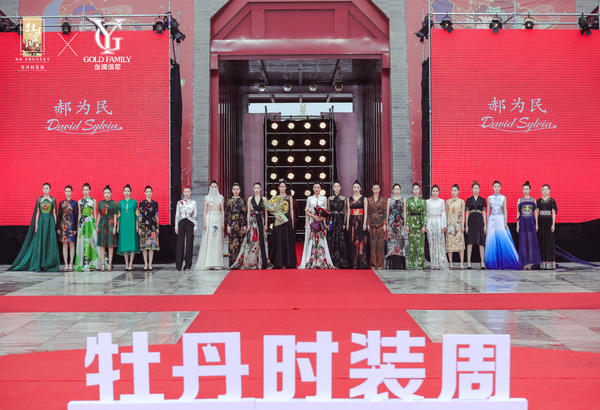
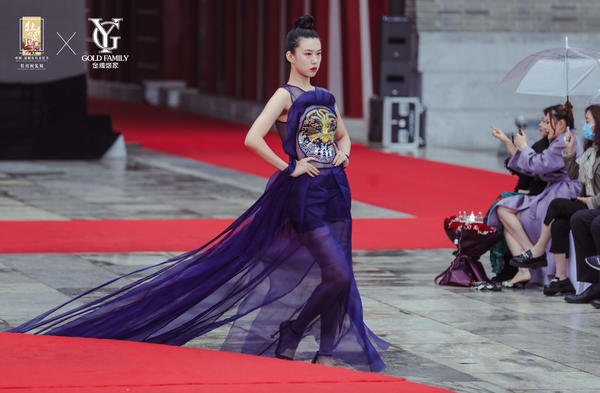
Festival venues can include major municipal parks, botanical gardens, scenic areas, and exhibition spaces. The experience goes well beyond flower viewing. Depending on the year, programs may feature traditional music, dance, calligraphy demonstrations, hanfu photography, folk craft displays, night lighting, food stalls, and cultural performances.
Weekends are often especially busy. A sensible approach is to visit a major garden soon after it opens, take photographs before midday, and spend the afternoon at a museum or another indoor attraction. Comfortable shoes are important, as a full garden visit can easily involve several kilometers of walking.
What visitors can expect at the festival
- Peony exhibitions: Carefully arranged displays showcase traditional and newly cultivated varieties.
- Garden photography: Visitors often photograph flowers alongside pavilions, bridges, and traditional-style costumes.
- Folk performances: Music, dance, opera, and ceremonial presentations may be staged outdoors.
- Craft and design markets: Vendors may sell paintings, silk products, tea sets, stationery, and peony-themed souvenirs.
- Local food: Festival areas commonly offer snacks and regional dishes, including versions of Luoyang’s well-known soup-based cuisine.
International visitors should keep in mind that festival schedules may be updated shortly before the event. English-language support is not available at every garden, so saving venue names in Chinese can make transport and ticket purchases much easier.
Luoyang Cultural Events Beyond the Flower Season
Peony season draws the largest crowds, but Luoyang cultural events continue throughout the year. Some programs are created mainly for local residents, while others attract domestic tourists and holiday visitors. Their scale varies by season, yet the focus remains familiar: history, literature, traditional performance, food, craftsmanship, and community celebration.
Traditional performances and public celebrations
Public squares and cultural venues may host Chinese opera, folk music, lion dances, drum performances, dance programs, and holiday ceremonies. During the Spring Festival, lantern displays and temple fairs bring energy to parks and historic neighborhoods. Many performances take place after dark, when illuminated buildings and lantern installations give the city a very different feel from daytime sightseeing.
The Lantern Festival is another active period for public events. Large lanterns may depict animals, flowers, historical figures, or contemporary designs. Families often arrive after dinner, creating an easygoing atmosphere: children carry small lanterns, vendors sell snacks, and performers gather crowds around temporary stages.
Crafts, museums, and cultural workshops
Luoyang’s cultural life is also found in quieter settings. Museums and cultural centers may hold calligraphy sessions, painting exhibitions, archaeological talks, ceramic demonstrations, and traditional costume activities. These programs show how local heritage continues to shape contemporary life rather than sitting only behind museum glass.
For overseas buyers and business travelers, craft exhibitions can be particularly valuable. They offer a closer look at how regional motifs are adapted for household goods, gift packaging, textiles, stationery, and hospitality interiors. Peony imagery is often subtle rather than literal, appearing as line art, an embossed pattern, a color palette, or a repeating decorative border.
Luoyang City Attractions for a Culture-Focused Visit
Although this article focuses on festivals and public life, the city’s historic landmarks provide essential context. The Longmen Grottoes reveal the artistic and religious achievements of earlier dynasties. The White Horse Temple is closely connected with the early development of Buddhism in China. Luoyang Museum gives visitors a broader introduction to the region’s archaeological history and the city’s importance as an ancient capital.
These sites pair naturally with seasonal activities. A three-day itinerary, for instance, could include the Longmen Grottoes on day one, a peony garden and evening performance on day two, and the White Horse Temple, Luoyang Museum, or a traditional neighborhood on day three.
Other Luoyang city attractions include urban parks, riverfront areas, historic streets, food markets, and cultural venues hosting temporary exhibitions. The best options depend on the season. In April, gardens deserve priority. During the hotter summer months, an indoor museum followed by an evening food walk can be more comfortable. Autumn brings pleasant conditions for parks and nearby scenic areas.
Food, Shopping, and Contemporary Urban Culture
Food is an important part of Luoyang’s public culture. The city is known for its water banquet, a sequence of soup-based dishes served in a specific order. A meal may include light broths, vegetables, meat, tofu, and local specialties, with flavors ranging from delicate and savory to sour and spicy. It is a good choice for groups because it introduces regional cooking traditions through a full meal rather than a single dish.
Street food offers a quicker glimpse into local eating habits. In markets and neighborhood restaurants, visitors may find noodles, dumplings, grilled skewers, sesame-based snacks, and warming soup dishes. English menus are not always available, so photographs and translation apps can be helpful when ordering.
Shopping districts often blend modern retail with cultural design. Peony-themed products may include tea, scented goods, paintings, fans, scarves, ceramics, and gift boxes. The most appealing items tend to balance symbolism with everyday function. A lightweight silk scarf with a restrained peony design, for example, is easier to pack and use than a large decorative piece.
Practical Planning for Luoyang China Tourism
Luoyang China tourism is easiest to manage when visitors plan around the seasons and the distance between attractions. Luoyang is connected to major Chinese cities by rail, and high-speed trains make it convenient to include in a wider central China itinerary. Once in the city, travelers can use taxis, ride-hailing services, buses, or organized tours, depending on the venue and their schedule.
Best time to visit
April is the clear choice for peony lovers. Since the exact bloom period changes each year, flexibility is helpful. May and October can also be comfortable for sightseeing, while winter is quieter and suits travelers who prefer museums and historic sites without peak-season crowds.
How long to stay
Two full days offer a quick introduction. Three or four days make for a more balanced visit, with time for a peony garden, a major heritage site, a museum, local dining, and an evening event. During the festival, allow extra time for queues and slower transport.
Useful visitor tips
- Carry cash and a mobile payment option, since payment practices vary by business.
- Bring a hat and water in April; open gardens may have limited shade.
- Wear walking shoes with good grip for parks, grotto paths, and temple grounds.
- Confirm photography rules at museums and religious sites.
- Check the Chinese names of hotels, gardens, and attractions before departure.
- Reserve accommodation early if traveling during the main festival weekends.
What Is Luoyang Known for Besides Historic Sites?
What is Luoyang known for besides historic sites? The answer includes peony cultivation, seasonal garden tourism, traditional food, museums, folk performance, calligraphy, handicrafts, and public cultural programming. The city’s identity is not frozen in its ancient past. Residents continue to reinterpret longstanding symbols through festivals, product design, stage performances, restaurants, and urban events.
That blend is especially rewarding for international visitors. It reveals more than where emperors once lived or where stone carvings were made. It also shows how local people celebrate, eat, shop, perform, and use cultural imagery in daily life today.
FAQ: Visiting Luoyang in China
When is the Luoyang Peony Festival?
The festival normally takes place from early April to early May. Peak flowering often occurs around mid-April, though weather can move the schedule forward or backward. Check the official annual announcement and individual garden updates before finalizing travel arrangements.
What cultural events are held in Luoyang China?
Events may include peony exhibitions, lantern festivals, temple fairs, Chinese opera, folk music, dance, drum performances, calligraphy demonstrations, craft markets, museum workshops, food events, and traditional costume activities. Programs vary by season and year.
What is Luoyang known for besides historic sites?
Luoyang is known for its peony culture, annual spring festival, water banquet cuisine, museums, folk arts, public performances, traditional crafts, and lively seasonal celebrations. Together, these activities highlight the city’s contemporary cultural character.
How many days are enough for a Luoyang visit?
Plan for at least two full days to see the main attractions. Three days or more is better during peony season, when gardens can be crowded and travel between venues takes longer.
Experience the City Through Its Living Culture
Luoyang in China brings together flower culture, ancient heritage, public celebration, and the rhythm of a modern city. The peony festival is the headline event, but the richer experience comes from pairing a garden visit with a local meal, museum stop, evening performance, or walk through a busy public square.
For organizations serving hospitality, retail, food service, and cultural tourism markets, our products can support experiences that reflect this blend of regional identity and contemporary use. Contact our team to discuss suitable product options for your next China-focused project.
About LyWOW Tours
LyWOW is a locally based travel agency in Luoyang, specializing in private tours for international travelers across Luoyang, Shaolin, Xi’an and Central China. English-speaking guides, flexible itineraries and door-to-door service.
Learn more about us or browse all our tours.
