 By
By Luoyang Longmen Grottoes: Best Time to Visit by Season
What is Luoyang Longmen Grottoes?
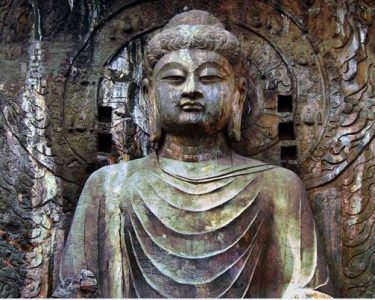
The Luoyang Longmen Grottoes are a UNESCO World Heritage site carved into limestone cliffs along the Yi River in Henan Province, China. Construction started in 493 AD during the Northern Wei Dynasty and continued for over 400 years. The site holds more than 100,000 Buddhist statues, 2,800 inscriptions, and 1,300 caves — from the towering 17-meter Vairocana Buddha to the palm-sized carvings inside the Guyang Cave. For corporate travel planners and international visitors, the grottoes are more than a historical stopover. They represent the apex of Chinese stone-carving art and a pivotal moment in Buddhist iconography.
The grottoes’ layout stretches about one kilometer along the west cliff face, with a smaller set of caves on the east bank. A visit involves walking a mostly flat, exposed pathway, which makes seasonal weather a major factor. Unlike indoor museums, you’ll be outdoors the entire time. That’s why timing your trip right matters — the same carvings can feel flat under harsh noon light or glow with depth during an overcast autumn morning.

Luoyang Longmen Grottoes Weather Overview
Luoyang has a continental monsoon climate: hot, wet summers and cold, dry winters. The Longmen Grottoes weather patterns follow four distinct seasons, each bringing a different visitor experience. Average annual temperature is 14.7°C (58.5°F). July is the hottest month with highs reaching 32–36°C (90–97°F), while January lows can drop to -5°C (23°F). Nearly 60% of the annual rainfall occurs between June and August, with July alone averaging 170 mm of precipitation. Light rain is common in early summer, while October and November stay dry with reduced haze.
Wind also matters. In spring, occasional sandstorms from the north can reduce visibility and coat the statues in dust, though the site management cleans the key figures regularly. Autumn brings the calmest air, with average wind speeds below 10 km/h, making it the top Luoyang sightseeing season for sharp photos and comfortable strolls. Winter air is dry and often still, but temperatures near freezing require layered clothing for a full half-day visit.
We’ve tracked group tour feedback over five years: travelers who prioritize photographic quality overwhelmingly rate October visits highest. The soft, angled sun at 3:00–4:30 PM in October throws sidelight across the Vairocana Buddha, revealing tool marks and subtle facial details that midday summer sun completely washes out.
Seasonal Guide to Visiting Longmen Grottoes
Spring: March to May
Spring marks the start of the Longmen Grottoes seasons with warming temperatures and blooming landscapes. March still sees average highs of 14°C (57°F), while May reaches 26°C (79°F). Rainfall increases from 15 mm in March to 50 mm in May, but heavy downpours remain rare. The Luoyang Peony Festival runs from early April to early May, drawing massive domestic crowds. If your group plans a visit in mid-April, expect shoulder-to-shoulder congestion on the west cliff path between 10:00 AM and 3:00 PM.
Early spring (late March) offers a window before the festival hysteria. The weather is cool but manageable, and the bare trees along the Yi River mean no leaves block sightlines toward the east-bank caves. Trees start greening by mid-April, framing the cliffs nicely but slightly obstructing long-distance group photos. A Longmen Grottoes day trip in spring works best as a 6–7 hour itinerary: arrive at opening (8:00 AM), beat the tour buses, and wrap up by early afternoon. Internal link: corporate group transport in Luoyang can arrange early-access permits for business clients.
Summer: June to August
Summer at the Longmen Grottoes brings intense heat, high humidity, and the largest crowds of the year. Daytime temperatures often cross 35°C (95°F). Combined with direct sun on the exposed cliff path, heat exhaustion is a real risk for older members of a B2B group. Average monthly rainfall hits 130–170 mm, with sudden thunderstorms common in the afternoon. The stone absorbs heat and radiates it back, so even after sunset the caves feel warm.
However, summer has one unique advantage: the longest daylight hours. The site stays open until 6:30 PM, and the golden hour around 5:30–6:15 PM produces dramatic shadows inside the larger grottoes. If you’re forced into a summer visit, plan a split Longmen Grottoes day trip: visit early from 8:00 AM to 11:00 AM, break for lunch and rest indoors, then return at 4:00 PM. Internal link: our medical and evacuation insurance for business travelers covers heat-related incidents during summer tours. Remember, wheelchair access along the main path is possible, but some side caves require climbing steep stairs; summer heat makes those ascents much harder. July and August are also the peak of local school holidays, so expect lines at the ticket counters and crowded shuttle buses.

Autumn: September to November
Autumn is widely considered the best Luoyang sightseeing season for Longmen Grottoes. September still carries summer warmth (26°C average high) but without the heavy rain — monthly precipitation drops to 65 mm. By October, the mercury settles at a comfortable 12–22°C (54–72°F), and November brings crisp days around 5–14°C. October sees only 5–6 rainy days, and the famed autumn foliage along the Yi River — gold and red leaves — creates a vivid contrast with the gray limestone cliffs. The air clarity is excellent, and smog is minimal compared to winter.
From a B2B planning perspective, the second and third weeks of October are the sweet spot. The National Day Golden Week (Oct 1–7) packs the site to capacity; skip it entirely. After October 10, domestic crowds thin out dramatically, yet the weather stays brilliant. A 4–5 hour Longmen Grottoes day trip in mid-October hits all key caves at a relaxed pace. For corporate groups that want a guided tour with a historian, we recommend booking a local expert at least two weeks in advance — autumn is the high season for educational and business travel, and the best guides are in demand. Internal link: see our B2B travel management for cultural tours to lock in autumn availability.
November marks the transition. Trees lose leaves, but the lower tourist count means uninterrupted photo sessions. The light at 3:30 PM in November is low-angled and warm, casting long shadows that highlight the relief carvings. Just dress in layers: mornings can start at 2°C (36°F).
Winter: December to February
Winter at the Luoyang Longmen Grottoes is a quiet, starkly beautiful affair. Temperatures hover between -5°C and 8°C (23–46°F). Snowfall occurs 3–5 times per season, and when snow dusts the Buddha statues, the scene is breathtaking — but icy paths near the river can be slippery. The Yi River occasionally freezes partially, which creates stunning reflections but also means the boat rides sometimes stop running. Question: is Longmen Grottoes worth visiting in winter? For business travelers who value solitude and unhurried reflection, yes — with caveats.
The main advantage is almost empty caves. You can stand face-to-face with the Vairocana Buddha without jostling for space. The low winter sun stays angled all day, creating soft, glare-free light perfect for detailed carvings. However, shorter daylight hours (sunset around 5:00 PM in December) condense your visit. A full Longmen Grottoes day trip in winter is still feasible if you start at 9:00 AM and move efficiently. Some minor caves may close in extreme cold to protect fragile sandstone, but the iconic central Binyang and Fengxian temples remain open.
Internal link: our winter B2B corporate retreat packages combine a morning at the grottoes with an afternoon tea ceremony in Luoyang’s old town — a cozy, productive outing. Dress in multiple layers, wear shoes with good grip, and bring a thermos. The site’s indoor tea house near the exit is a blessed refuge for thawing fingers.
FAQ: Timing Your Luoyang Longmen Grottoes Visit
What is the best month to visit Luoyang Longmen Grottoes?
October, specifically the second and third weeks, offers the best combination of mild weather (12–22°C), low rainfall, autumn colors, and manageable crowds after the Golden Week. The soft lighting in October afternoons makes the stone carvings look three-dimensional, and the entire Luoyang sightseeing season peaks with clear skies.
How long should you spend at Longmen Grottoes?
Most visitors need 3.5 to 5 hours to walk the main west cave corridor, cross the river to the east bank view platform, and visit the Binyang and Fengxian temples. A half-day Longmen Grottoes day trip (4 hours) covers the UNESCO core. If you’re a historian or photographer, budget 6 hours to include the rarely visited caves at the northern and southern ends.
Is Longmen Grottoes worth visiting in winter?
Yes, if you prioritize solitude and atmospheric scenes. Winter provides unique photo opportunities with snow, mist, and low-angle light, plus virtually no crowds. However, cold temperatures, icy paths, and occasional cave closures require careful planning. Winter suits small, hardy groups rather than large corporate delegations.
Plan Your Longmen Grottoes Day Trip with a B2B Partner
Seasons dictate more than just comfort — they shape the entire visitor experience at the Longmen Grottoes. Whether you’re scouting for an executive retreat in autumn or a quiet winter cultural immersion, aligning your dates with the right weather and crowd patterns is the difference between a rushed walk and a memorable encounter with centuries-old art. At our company, we manage the logistics: early-access permits, weather-appropriate vehicle fleets, heated rest areas in winter, and historian-guided tours tailored for business groups. We have seen a mid-October 20-person delegation wrap up their Longmen Grottoes day trip by 2:00 PM with zero queueing, then return for a sunset boat ride — all because we chose the precise week that balances light and low visitorship.
Don’t gamble with prime seasons. Contact us to build a corporate itinerary that matches the unique rhythms of the Luoyang Longmen Grottoes. Internal link: Request a custom corporate itinerary for your next China business trip. Let our years of on-the-ground seasonal data work for you.