
Blog
Trace the Dynastic History of Luo Yang Through Its Sites


How to Trace the Dynastic History of Luo Yang Through Its Surviving Sites
Many visitors to Luoyang encounter a profound challenge: they see magnificent temples, awe-inspiring grottoes, and vast archaeological parks, but struggle to connect these individual landmarks into a coherent historical narrative. The city served as a capital for numerous dynasties over more than a millennium, leaving a complex, layered legacy that can be difficult to decipher. Without a framework, a trip can feel like a disconnected series of impressive sights rather than a journey through time.
The key is to move beyond a simple checklist of locations and adopt a method for mapping sites to the specific eras that defined them. This approach transforms a tour into an investigation, allowing you to witness the rise and fall of empires written in stone, bronze, and earth. By understanding which dynasty built, expanded, or abandoned a site, you can appreciate the full context of this ancient capital.
A Chronological Framework for Luoyang’s Capitals
Before visiting any sites, it is essential to establish a basic timeline. While the city’s history is incredibly deep, focusing on the most influential periods when Luo Yang served as a major imperial center provides the necessary structure. Different dynasties left distinct archaeological and cultural footprints, and knowing the sequence is the first step in identifying them on the ground. The city’s prominence peaked and waned, with several key dynasties establishing it as their capital, each leaving a unique legacy.
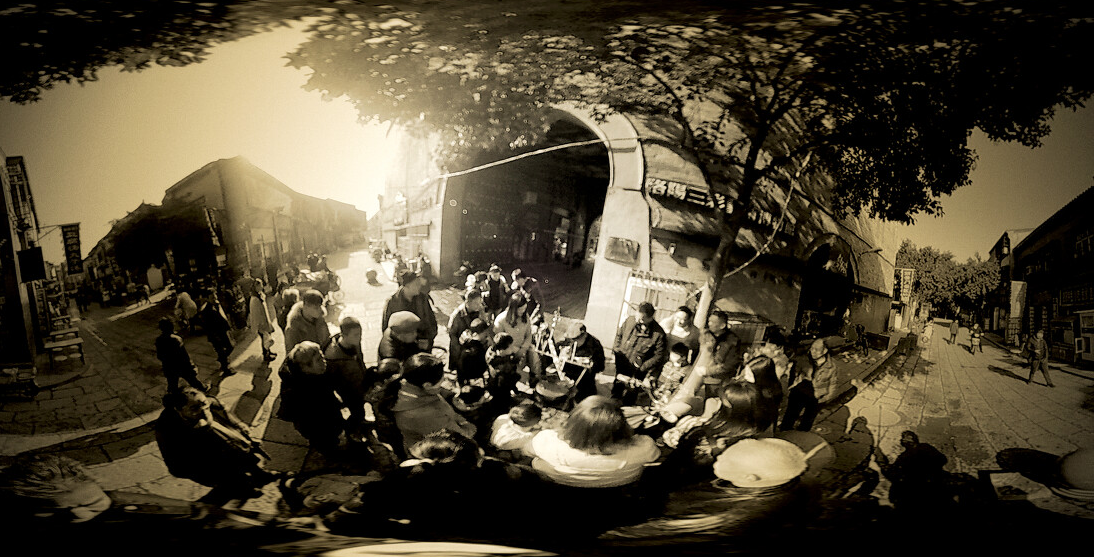
Use this chronological list as your foundational reference when planning your itinerary. It highlights the major dynastic periods you will encounter when exploring the region’s historical landmarks.
- Eastern Zhou Dynasty (770–256 BCE): This was the first major period when the city, then known as Chengzhou, became the capital. While few architectural remains survive, this era laid the groundwork for the city’s future importance. Archaeological findings from this time are primarily found in museums.
- Eastern Han Dynasty (25–220 CE): The city was re-established as the capital and flourished. This period is associated with the official introduction of Buddhism to China, marked by the legendary founding of the White Horse Temple.
- Cao Wei Kingdom (220–266 CE): During the Three Kingdoms period, the city remained the capital under Cao Pi. It continued to be a major political and cultural center.
- Western Jin Dynasty (266–316 CE): The city continued its role as the imperial capital, consolidating power before internal strife led to the dynasty’s relocation.
- Northern Wei Dynasty (386–534 CE): After a period of division, the Xianbei rulers moved their capital here in 493 CE. This era was a golden age for Buddhism and is responsible for initiating the monumental carving of the Longmen Grottoes.
- Sui Dynasty (581–618 CE): While not the primary capital for the entire dynasty, the city was rebuilt and served as the eastern capital, a vital economic and logistical hub connected by the Grand Canal.
- Tang Dynasty (618–907 CE): The city served as the eastern capital and, at times, the primary capital (notably under Empress Wu Zetian). The Tang era saw the continuation of work on the Longmen Grottoes and the city’s flourishing as a cosmopolitan metropolis.
How to Map Luoyang’s Landmarks to Dynastic Eras
Connecting physical locations to the timeline above requires a systematic approach. This method helps you organize your visit around historical periods, creating a more meaningful experience than a purely geographical itinerary. It involves using a “dynastic anchor” to group related sites and artifacts together.
A Step-by-Step Mapping Procedure
Follow these steps to build your own dynastic itinerary. This process works best when focusing on one or two major dynasties that interest you most, such as the Northern Wei and Tang.
- Step 1: Choose Your Dynastic Anchor. Select a primary dynasty to focus on. For example, the Northern Wei. This choice will guide your initial site selection. Your anchor should be a period with significant, well-preserved monuments.
- Step 2: Identify the Core Monumental Site. Find the most significant surviving landmark from your anchor dynasty. For the Northern Wei, this is unequivocally the Longmen Grottoes. This site becomes the centerpiece of your exploration for that era.
- Step 3: Locate the Corresponding Museum Collection. Visit the Luoyang Museum and find the galleries dedicated to your chosen dynasty. Here, you will see the portable artifacts—pottery, steles, bronze work, and funerary objects—that reveal the daily life, art, and beliefs of the period. This context is impossible to get from the monumental site alone.
- Step 4: Find the Associated Ruins or City Site. Every capital had a city. For the Northern Wei, this is the archaeological site of Han-Wei Luoyang City. While often less visually dramatic than temples or grottoes, walking the footprint of the ancient city walls or palace foundations provides a sense of scale and political organization.
- Step 5: Cross-Reference with Subsequent Dynasties. Analyze how later periods interacted with the sites. For instance, at Longmen, observe the stylistic differences between the slender, ethereal figures of the Northern Wei caves and the fuller, more worldly figures of the Tang dynasty caves. This shows cultural evolution in a single location.
Dynasty-to-Site Correlation Table
This table provides a quick reference for applying the mapping method. Use it as a starting point for building your itinerary.
| Dynasty | Primary Monumental Site | Museum Focus | Archaeological Ruins |
|---|---|---|---|
| Eastern Han | White Horse Temple (Baima Si) – original founding | Pottery models of manors, early Buddhist artifacts | Ruins of Han-Wei Luoyang City (foundation layer) |
| Northern Wei | Longmen Grottoes (initial major phase of carving) | Figurines of officials and warriors, Buddhist steles | Ruins of Han-Wei Luoyang City (major rebuilding phase) |
| Tang | Longmen Grottoes (Fengxian Temple cave), Guanlin Temple | Tricolor-glazed sancai pottery, cosmopolitan artifacts | Ruins of Sui-Tang Luoyang City |
Common Mistakes to Avoid
- Assuming a Site Represents Only One Dynasty: Most major sites were built, rebuilt, and modified over centuries. The White Horse Temple seen today is largely from the Ming and Qing dynasties, even though its founding dates to the Eastern Han. Always look for signs of different construction periods.
- Neglecting the Museums: The archaeological sites and temples can feel empty without the context provided by the artifacts they once held. The Luoyang Museum is not an optional extra; it is essential for understanding the ruins.
- Ignoring the City Ruins: It is easy to focus on intact structures, but the vast, empty spaces of the ancient city ruins (like the Sui-Tang Luoyang City site) are crucial for comprehending the scale of imperial power and urban planning.
Interpreting Different Types of Historical Sites
The historical landscape of Luo Yang is composed of different types of sites, each offering unique insights. Knowing what to look for at each one is key to building a comprehensive understanding. The primary categories are intact/rebuilt structures (temples), monumental art sites (grottoes), and archaeological parks (city ruins).
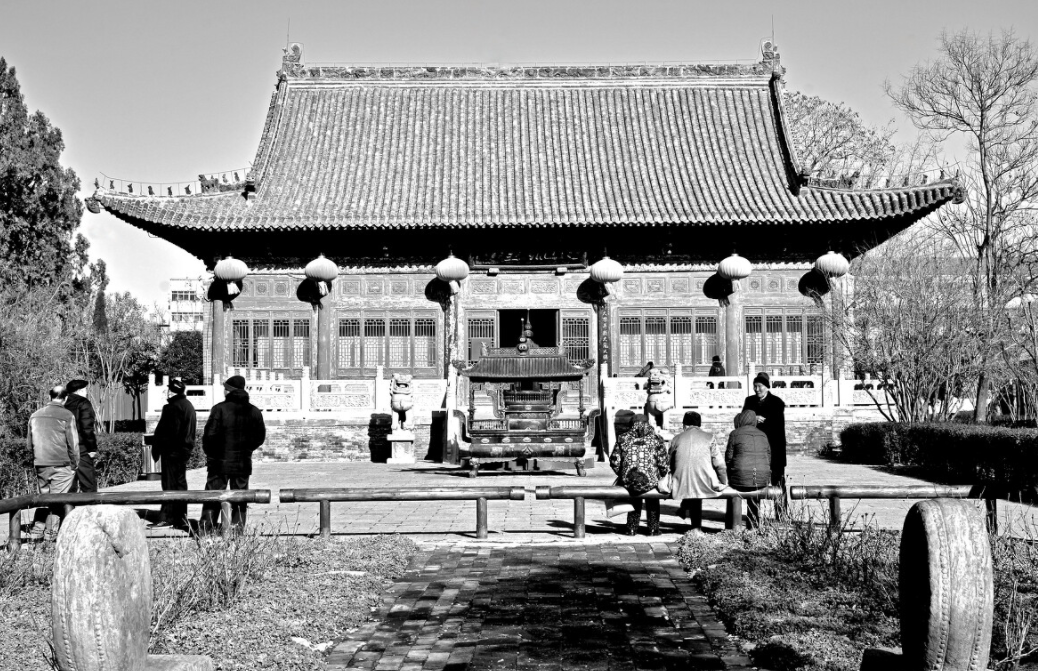
Comparing Site Types for Historical Clues
Each type of site answers different questions about the past. A temple might tell you about religious practice, while city ruins reveal insights into social hierarchy and defense.
| Site Type | Primary Information Gained | Example | Limitations |
|---|---|---|---|
| Temples & Structures | Architectural styles, religious evolution, continuous use of sacred space. | White Horse Temple, Guanlin Temple | Often heavily rebuilt in later dynasties, obscuring the original layout and materials. |
| Grottoes & Carvings | Artistic styles, evolution of religious iconography, patronage by emperors and elites. | Longmen Grottoes | Represents elite, imperially-sponsored culture; provides little information on common daily life. |
| City Ruins & Tombs | Urban planning, scale of the capital, defensive strategies, burial customs. | Han-Wei City Ruins, Luoyang Ancient Tombs Museum | Requires imagination and interpretation; often lacks visually impressive structures. |
For a complete picture, an effective itinerary must include at least one site from each category. For example, one could visit the Longmen Grottoes (Northern Wei/Tang), the Han-Wei City Ruins (Han/Wei), and the White Horse Temple (Han founding, later rebuilding) to see the full spectrum of the region’s history. By consciously combining these different types of evidence, you can reconstruct a much richer and more accurate vision of life in this ancient imperial center.
For more detailed information or assistance in understanding the historical context of the region, please feel free to contact our team.
