 By
By Understanding Luoyang: Decoding a Former Capital’s Major Historic Eras
For businesses and professionals engaging with China, understanding the historical context of key regions offers invaluable insight into contemporary culture, infrastructure, and strategic importance. The city of Luoyang, often hailed as one of China’s Four Great Ancient Capitals, presents a particularly rich and complex tapestry of history. Its layers span millennia, serving as the political, economic, and cultural heart for numerous dynasties. Deciphering these distinct eras is crucial for anyone seeking to grasp the city’s enduring legacy and its place in the broader narrative of the region.
Visitors to Luoyang often encounter a fascinating blend of ancient ruins, reconstructed heritage sites, and modern urban development. The challenge lies in connecting these disparate elements to the specific historical periods they represent. Without a clear framework, the sheer volume of history can be overwhelming. This guide aims to provide that framework, breaking down Luoyang’s major historical contributions from the foundational Zhou Dynasty through the splendor of the Sui-Tang era, and connecting them to what can be observed in the city today.
The Foundational Dynasties: Zhou and Han Influence in Luoyang
The historical significance of Luoyang began to solidify with the establishment of the Zhou Dynasty, marking a pivotal era in ancient Chinese civilization. The Western Zhou (c. 1046–771 BCE) laid much of the philosophical and governmental groundwork, but it was the Eastern Zhou (771–256 BCE) that firmly established Luoyang as a capital, albeit often with diminishing central authority. This period, encompassing the Spring and Autumn and Warring States periods, saw immense intellectual flourishing, with figures like Confucius and Laozi shaping thought that continues to influence culture today. While grand standing structures from this extremely ancient period are rare, archaeological parks provide a window into early urban planning and societal organization. The remnants of the Eastern Zhou Royal City, though primarily foundational, speak to the city’s early strategic importance.
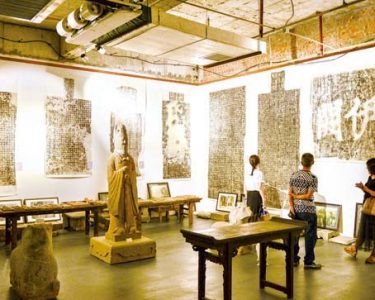
Following the brief Qin Dynasty, the Han Dynasty (206 BCE – 220 CE) ushered in another golden age, with Luoyang serving as the capital for the Eastern Han (25–220 CE). This era witnessed significant expansion of the empire, the flourishing of the Silk Road, and remarkable advancements in science, technology, and culture. Luoyang at this time was a cosmopolitan hub, a center for trade and innovation. The Imperial City of the Eastern Han, though largely buried, offers a blueprint of a vast and organized capital. Artifacts from this period, including intricate pottery, bronze ware, and early examples of paper, are extensively displayed in the Luoyang Museum, providing tangible links to its past. Understanding the administrative and cultural innovations of the Han Dynasty helps contextualize the subsequent development of Luoyang as a recurring imperial center.
Navigating Luoyang’s Shifting Capitals: Wei, Jin, Sui, and Tang Periods
After the collapse of the Han, China entered a prolonged period of disunity, yet Luoyang frequently retained its status as a significant capital, especially during the Northern Wei (386–534 CE) and subsequent Jin dynasties. The Northern Wei era was particularly crucial for the spread and development of Buddhism in China, with Luoyang becoming a major center for Buddhist art and scholarship. This cultural shift is vividly preserved in sites like the Longmen Grottoes, which began extensive carving during the Northern Wei, showcasing early Buddhist sculptural styles that are distinct from later periods. The city continued to be a strategic stronghold, often rebuilt and re-fortified amidst political turmoil.
The Sui (581–618 CE) and Tang (618–907 CE) dynasties marked another zenith for China, and Luoyang once again played a starring role, often serving as the “Eastern Capital” alongside Chang’an (modern Xi’an). The Sui Dynasty’s grand engineering projects, notably the Grand Canal, tremendously boosted Luoyang’s economic and strategic importance, connecting it to the fertile south. The Tang Dynasty, an era of unprecedented cultural brilliance, saw Luoyang flourish with magnificent palaces, temples, and gardens. It was a cosmopolitan metropolis, attracting scholars, artists, and merchants from across Asia. The expansion of the Longmen Grottoes continued, showcasing the highly refined Buddhist art of the Tang. The White Horse Temple, traditionally regarded as the first Buddhist temple in China, saw significant development during this period, solidifying Luoyang’s spiritual prominence.
Era-Based FAQ: Connecting Luoyang’s Past to Present Sites
Understanding which historical period corresponds to which site can significantly enhance your experience of Luoyang. Here’s a breakdown to help connect the dots:
- How can I identify Zhou Dynasty sites in modern Luoyang?
- Answer: Direct standing structures from the Zhou Dynasty are rare due to their extreme age. Your best bet is to visit archaeological parks such as the Erlitou Site (though often associated with proto-Shang culture, it provides essential context for early settlements leading to Zhou) and the foundations of the Eastern Zhou Royal City, often integrated into public parks like Wangcheng Park. These sites are primarily interpretive, focusing on unearthed artifacts and urban layouts.
- What physical evidence of the Han Dynasty can be seen in Luoyang today?
- Answer: The Eastern Han Imperial City ruins, while mostly foundational, offer a sense of the scale of the ancient capital. The Luoyang Museum provides extensive collections of Han Dynasty artifacts, including pottery, jade, and bronze items, which serve as tangible links to this prosperous era. Regional tomb sites also yield significant Han-era discoveries.
- Where can I find remnants of the Wei and Jin dynasties in the contemporary city of Luoyang?
- Answer: The Northern Wei period’s most prominent legacy is its contribution to Buddhist art. The early phases of the Longmen Grottoes, particularly the smaller and more introspective carvings, directly reflect Northern Wei artistic styles. The Luoyang Ancient Tombs Museum also houses artifacts from these periods, offering insights into funerary practices and daily life.
- What are the most recognizable Sui-Tang era landmarks in Luoyang today?
- Answer: The Sui-Tang Luoyang City National Heritage Park is a key site, featuring impressive reconstructions and the foundational outlines of the Mingtang Hall (Hall of Light) and Paradise Hall. The Longmen Grottoes experienced their most significant expansion during the Tang Dynasty, boasting some of the largest and most iconic Buddha statues. The White Horse Temple, though rebuilt across centuries, traces its origins to the Han and was a major spiritual center during the Tang.
- How does modern Luoyang incorporate and present its multi-era historical identity?
- Answer: Modern Luoyang skillfully integrates its deep past through dedicated heritage parks, world-class museums (like the Luoyang Museum and the Sui-Tang Luoyang City National Heritage Park Museum), and urban planning that often respects historical axes or incorporates traditional architectural motifs in new builds. The city actively promotes its status as a multi-dynastic ancient capital, making history a core part of its contemporary identity.
- What are the limitations when trying to experience these ancient eras firsthand in Luoyang?
- Answer: Many of the oldest structures exist primarily as archaeological foundations or meticulously reconstructed elements. Visitors should manage expectations regarding fully preserved, unaltered standing architecture from the Zhou or Han periods. The primary experience often comes through interpretive centers, detailed museum exhibits, and appreciating the vast scale of ancient city plans rather than walking through intact ancient buildings.
Strategies for Engaging with Luoyang’s Historical Layers
Engaging deeply with Luoyang’s layered history requires a strategic approach. It’s not merely about visiting sites but understanding their context and the narrative they convey across different eras. For professionals and visitors keen on a comprehensive understanding, preparation is key. This involves not only planning which sites to see but also how to interpret what you encounter, avoiding common pitfalls that can lead to a superficial appreciation of this profoundly historical city.
Common Misinterpretations When Exploring Luoyang’s History
To truly grasp the depth of Luoyang’s past, consider these common areas where interpretation can go awry:
- Expectation of Standing Ancient Structures: Many ancient sites in Luoyang are archaeological parks showcasing foundations, not fully preserved buildings. The experience is often conceptual, relying on interpretation, models, and unearthed artifacts rather than intact architecture. Do not expect to walk through perfectly preserved palaces from the Han Dynasty.
- Focusing Only on One Dynasty: Luoyang’s unique strength lies in its continuous, layered history. Overlooking the transitions and interconnections between the Zhou, Han, Wei, Sui-Tang, and later periods misses the full narrative of the city’s resilience and evolving importance. Each era built upon, and often reused, the foundations of the last.
- Ignoring the Role of Waterways: Especially during the Sui and Tang dynasties, the Grand Canal was pivotal to Luoyang’s prosperity and strategic value. Understanding this logistical link, which facilitated trade and transport of goods and resources, significantly enriches the historical context beyond just imperial decrees and cultural achievements.
- Underestimating the Scale of Ancient Cities: The sheer size of the former imperial cities, even as ruins or foundational outlines, can be overlooked without proper context or maps. Ancient Luoyang was a sprawling metropolis, and understanding its scale helps appreciate the logistical and administrative challenges of governing such a vast urban center.
- Confusing Reconstructions with Originals: Modern reconstructions of ancient buildings, while incredibly helpful for visualization and providing a sense of grandeur (e.g., at the Sui-Tang Luoyang City National Heritage Park), should be understood as contemporary interpretations based on archaeological evidence, rather than exact original structures.
To maximize your understanding, consider visiting the Luoyang Museum early in your trip to gain an overarching historical perspective, then delve into specific sites like the Longmen Grottoes or the Sui-Tang City Park. Engaging with local guides can also provide nuanced insights that bring the ancient ruins to life. The city of Luoyang stands as a testament to enduring civilization, offering profound historical lessons for those willing to decode its many layers.

The journey through Luoyang’s historical eras is a journey through the heart of ancient Chinese civilization. Each dynasty left an indelible mark, shaping not only the physical landscape but also the cultural and intellectual heritage that continues to resonate. By approaching the city with an understanding of its multi-layered past, visitors can gain a much deeper appreciation for its significance.

For insights into regional dynamics, logistical considerations, or to connect with export professionals who understand the intricate relationship between history and modern commerce in key areas like Luoyang, reach out to our team.
===BODY===