
Blog
Understanding Luoyang Henan China for Business & Research

Understanding Luoyang Henan China A Guide for Business and Historical Research
For first-time researchers and international business travelers, a common point of confusion arises when planning a trip to Luoyang Henan China: what is the difference between the modern city, the “Luoyang Ancient City,” and the numerous historical sites that dot the region? The names are often used interchangeably, leading to logistical challenges and a misunderstanding of one of China’s most historically significant locations. This guide provides a clear framework for distinguishing these areas, ensuring your research or business visit is based on accurate geographical and historical context.
Understanding these distinctions is crucial. Arriving in the bustling modern city center expecting to see ancient walls will lead to disappointment, while booking a hotel in a tourist district far from your business meetings can disrupt your entire schedule. Let’s clarify the geography and terminology.

Decoding the Map: Modern Luoyang vs. Historic Luoyang
The name “Luoyang” refers to several distinct places, each with a different function and location. The primary source of confusion is failing to separate the modern, administrative city from the specific, often reconstructed, historical zones. The modern metropolis serves as the economic and logistical hub, while the historic sites are destinations within its greater municipal area.
Here is a breakdown to clarify the boundaries and purpose of each key area. This directly answers questions like, “Is Luoyang Ancient City the same as Luoyang?” and “Where is Luoyang Ancient City located?”. The answer is no, they are not the same, and their locations are distinct.
| Feature | Modern Luoyang City | Luoyang Ancient City (Luyi Ancient Town) | Han-Wei Dynasty Capital Ruins |
|---|---|---|---|
| Geographic Location | The large, contemporary urban area south of the Luo River. This is the main commercial and residential zone. | A specific, walled tourist area located in the Laocheng (Old Town) District of the modern city. | An archaeological park located east of the modern city’s historic center, near the White Horse Temple. |
| Primary Identity | A major prefecture-level industrial and commercial city; the administrative center for the entire region. | A reconstructed tourist and cultural attraction designed to replicate the architecture of the Ming and Qing dynasties. | A protected archaeological site with the foundational remains of the ancient capital from the Eastern Han and Cao Wei periods. |
| What You Will See | Modern high-rises, wide avenues, railway stations, government buildings, hotels, and the Luoyang Museum. This is the Luoyang city center. | Rebuilt city gates, traditional-style buildings housing shops and restaurants, narrow lanes, and a lively atmosphere, especially at night. | Earthen mounds, foundational platforms, and archaeological excavations. It is a historical park, not a living city. |
| Main Purpose for Visitors | Business, transportation, accommodation, and as a base for exploring the surrounding region. | Tourism, dining, shopping for local crafts, and experiencing a recreated historical atmosphere. | Deep historical and archaeological study. For those interested in the raw history of one of the ancient capitals of China. |
Common Misconceptions for First-Time Researchers and Visitors
Navigating Luoyang’s rich history requires avoiding a few common pitfalls. These mistakes often stem from misinterpreting a Luoyang Henan map or assuming all historical sites are clustered together. A clear understanding helps in creating an efficient and meaningful itinerary.
Here are the most frequent errors we see researchers and travelers make:
-
Mistake 1: Assuming the “Ancient City” is the only historic site.
Many visitors equate the reconstructed “Luoyang Ancient City” (Luyi) with Luoyang’s entire history. In reality, Luoyang’s legacy is spread across a vast area. The UNESCO World Heritage Longmen Grottoes are miles to the south, the White Horse Temple is to the east, and the Han-Wei capital ruins are in a separate location entirely. The reconstructed town is just one piece of a much larger historical puzzle.
-
Mistake 2: Confusing a reconstructed town with original ruins.
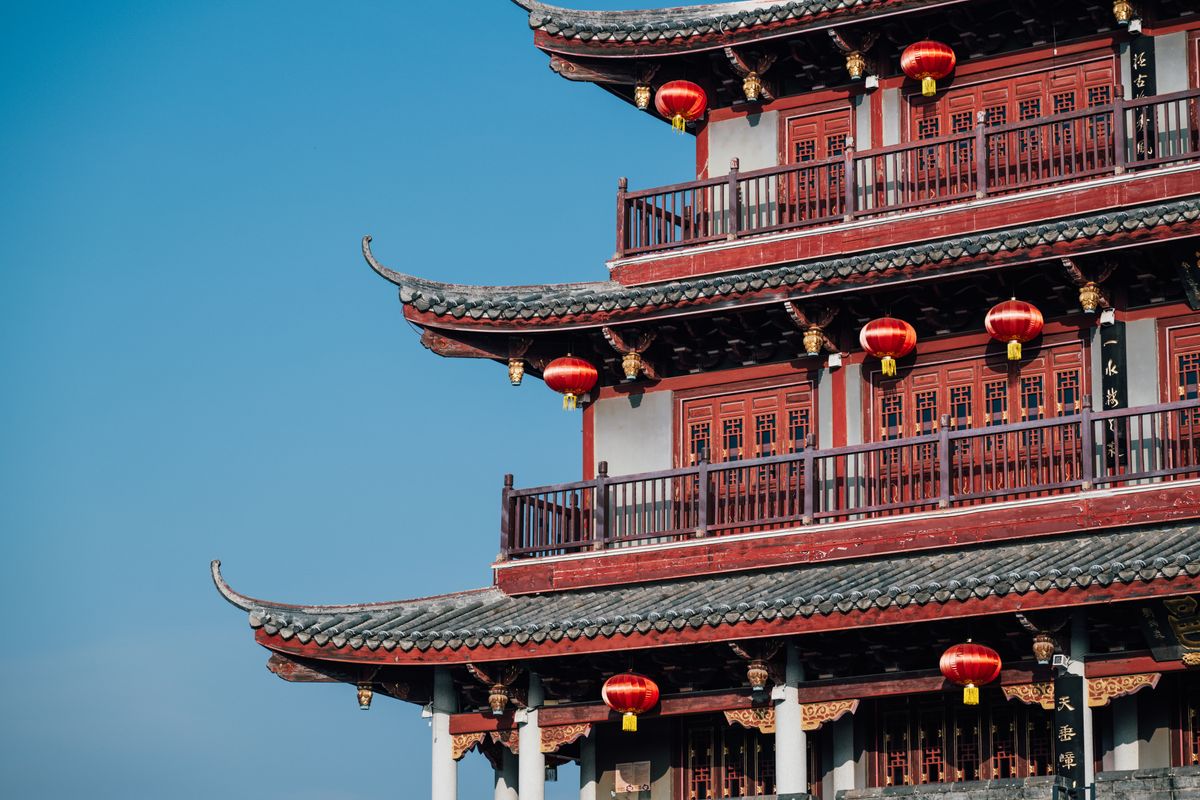
Luyi Ancient Town is a modern construction on an old site, offering a vibrant cultural experience. It is not an open-air museum of original structures. For those seeking authentic archaeological remains, the Han-Wei Luoyang City Ruins National Archaeological Park offers a more academic experience, though it requires more imagination to visualize the past glory from its earthen foundations.
-
Mistake 3: Underestimating travel times and distances.
Luoyang is a large prefecture-level city. The distance from the modern city center (where major hotels and the high-speed rail station are) to the Longmen Grottoes can take 30-45 minutes by car. Reaching the White Horse Temple from the grottoes can take another hour. Failing to account for this on a map leads to rushed visits and missed opportunities. Efficiently exploring the region requires grouping sites by location.
-
Mistake 4: Overlooking the modern city’s business importance.
While famous for its history, modern Luoyang is a key hub for industrial manufacturing in Central China. It has significant industries in machinery, new materials, and technology. Business travelers should focus on the modern urban core for meetings and logistics, treating the historical sites as valuable but separate destinations.

A Strategic Approach to Exploring Luoyang’s Layers
The best way to approach a visit to Luoyang depends entirely on your objective. A business traveler with only one free afternoon has very different needs than a historian on a week-long research trip. By defining your goal, you can navigate the city’s distinct layers effectively.
Use this decision checklist to structure your planning and make the most of your time in this historic region.
Buyer’s Decision Checklist: Planning Your Luoyang Itinerary
- [ ] Define Your Primary Goal: Are you here for business meetings in the industrial zones, a comprehensive tour of all major historical sites, or a general cultural visit? Your answer determines your “base” location and daily schedule.
- [ ] Consult a Detailed Map: Before booking anything, use a digital Luoyang Henan map to plot the locations of your hotel, business appointments, and desired attractions. Pay attention to the scale and estimated travel times, not just straight-line distances.
- [ ] Allocate Sufficient Time: To see the “big three”—Longmen Grottoes, White Horse Temple, and the Luoyang Museum—you need at least two full days. A deep historical dive including the archaeological parks requires three or more.
- [ ] Differentiate Attraction Types: Clarify if you are visiting a reconstructed site (Luyi Ancient Town), a museum (Luoyang Museum), a religious heritage site (White Horse Temple, Longmen Grottoes), or an archaeological park (Han-Wei ruins). This manages expectations and helps you appreciate each for what it is.
-
[ ] Choose Accommodation Strategically:
- For Business: Stay in the modern Luoyang city center (Jianxi or Xigong districts) for proximity to commercial hubs and transportation.
- For Tourism: Stay near the Laocheng District for easy access to the reconstructed Ancient City and its evening atmosphere.
- For Historical Research: Consider a location that offers a good balance between the modern city’s amenities and access to the geographically dispersed sites.
By treating modern Luoyang as your operational base and the various historical sites as distinct destinations, you can better appreciate the depth and scale of one of the most important ancient capitals of China. This approach also helps in understanding the region’s logistical and supply chain advantages, which are rooted in its long history as a central hub.
For businesses seeking to understand the commercial landscape of this historically significant region, our team can provide valuable local insights.
About LyWOW Tours
LyWOW is a locally based travel agency in Luoyang, specializing in private tours for international travelers across Luoyang, Shaolin, Xi’an and Central China. English-speaking guides, flexible itineraries and door-to-door service.
Learn more about us or browse all our tours.