 By
By Which Luoyang Ancient-Capital Sites Need Advance Booking?
If you’ve already picked your must-see stops in Luoyang, the next question is more practical: which of these sites will actually let you walk up and buy a ticket, and which will turn you away without a prior reservation? This matters more than most travelers expect, because Luoyang’s biggest draws — Longmen Grottoes, the Old Town area, and several museum sites — operate under different rules depending on season, daily visitor caps, and whether the location is state-managed or locally run. Getting this wrong after you’ve already booked flights and hotels is a common and avoidable mistake.
This guide breaks down exactly what requires booking, what identification you’ll need, and how far ahead you should plan, so you can lock in transport and lodging with confidence.
Why Booking Rules Vary So Much Across Luoyang Sites
Luoyang’s attractions fall into a few different management categories, and that’s the root cause of the confusing mix of rules. Major heritage sites tied to national protection programs — like the UNESCO World Heritage designation at Longmen Grottoes — tend to enforce daily visitor caps to limit wear on the stone carvings and manage crowd flow through narrow cliffside paths. Smaller municipal parks or reconstructed historical districts, on the other hand, often have looser entry policies since foot traffic doesn’t threaten the physical structure.
The practical takeaway: if a site involves fragile stonework, underground chambers, or a single narrow entrance point, assume a reservation system is in place. If it’s an open plaza, a rebuilt street, or a modern cultural park, walk-up entry is usually fine, though ticket booths may still close early during peak holiday weeks.
Checklist: Which Major Attractions Require Reservations, ID, or Timed Entry
Use this checklist while you’re mapping out your itinerary. It reflects the general pattern of how these site types are managed — always confirm exact current requirements through the official ticketing channel for the specific site before you travel, since holiday schedules and maintenance closures can shift things.
| Site / Site Type | Advance Booking Needed? | ID Required? | Timed Entry? | Planning Note |
|---|---|---|---|---|
| Longmen Grottoes | Yes, especially peak season and holidays | Yes, valid passport or ID for entry matching the booking name | Often yes, entry slots may be assigned | Book several days ahead during spring and autumn high season |
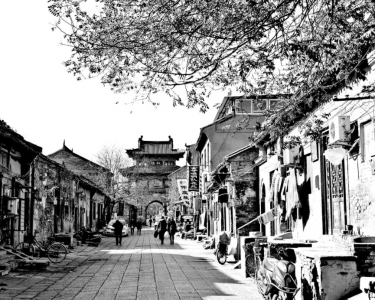
| Ancient City / Old Town core streets | Usually not for general entry | Not typically required | No fixed slots | Evening hours get crowded; arrive early if photographing empty streets |
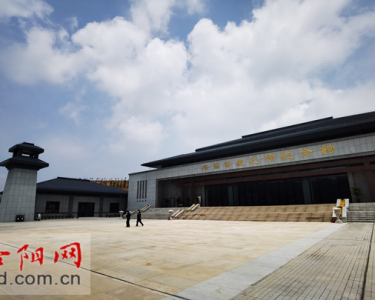
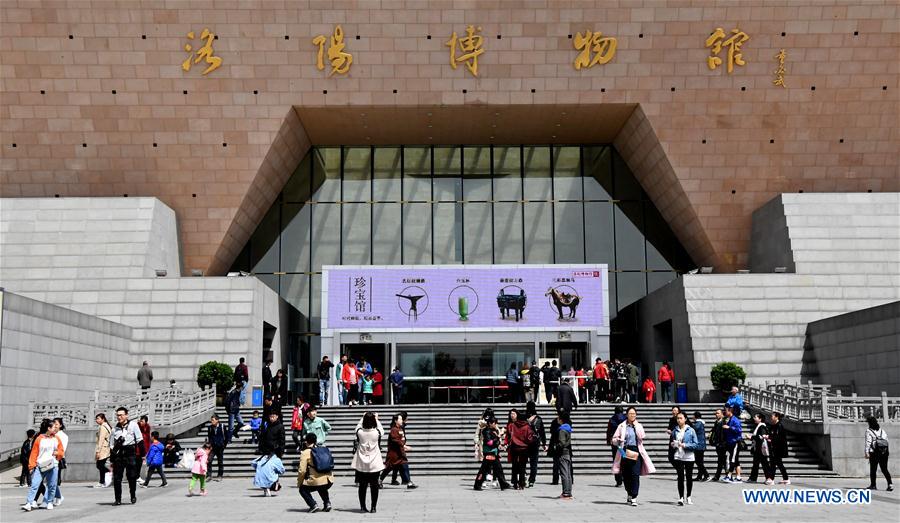
| Major museums (history, art, archaeology) | Often yes, free but capped daily tickets | Yes, ID used to register the free ticket | Sometimes, especially for special exhibits | Free-ticket museums fill fast; reserve the moment booking opens |
| Reconstructed palace or garden sites | Varies by season | Occasionally for discounted tickets | Rare | Check if the site has separate pricing for different building sections |
| Underground tomb or vault exhibits | Yes, due to space and ventilation limits | Yes | Yes, strict small-group timing | Groups may be limited to a set number of visitors per slot |
A few patterns stand out here. Anything involving preserved stone carvings, underground chambers, or free-admission museums tends to require booking and ID matching. Open streets and modern leisure parks generally do not. If your itinerary leans heavily toward the first category, build your schedule around confirmed reservation windows rather than assuming you can adjust plans once you land.
Step-by-Step: How to Secure Your Longmen Grottoes Reservation Without Stress
Because Longmen Grottoes is the site most likely to cause a scheduling headache, here’s a practical sequence to follow:
- Decide your visit date early. If your trip falls during a national holiday week or the spring/autumn shoulder season, treat this as day one of planning, not an afterthought.
- Check the official booking window. Many Chinese heritage sites open ticket sales a fixed number of days ahead, sometimes as little as 7 to 10 days out — this changes seasonally, so verify current policy directly rather than relying on old blog posts.
- Have ID details ready before you start booking. Passport number, full name as it appears on the passport, and nationality are typically required fields. A mismatch between booking name and ID presented at entry can cause denial at the gate.
- Choose your entry time slot deliberately. Morning slots tend to have better lighting for photography and smaller crowds; midday slots often coincide with tour bus arrivals.
- Screenshot or print your confirmation. Cell signal near the riverside grotto paths can be inconsistent, so don’t rely solely on pulling up an app at the gate.
- Arrive at least 20-30 minutes before your slot. Security screening and ticket verification lines build up quickly during peak hours.
This sequence applies specifically to sites with formal timed-entry systems. It does not apply to open-access areas like Old Town streets, where showing up whenever suits your schedule works fine.
Common Mistakes Travelers Make When Booking Luoyang Sites
- Assuming all attractions work the same way. Treating Longmen Grottoes booking rules as universal leads people to over-plan for flexible sites and under-plan for restricted ones.
- Booking under one traveler’s name for a group. Since ID must match the ticket holder, each visitor generally needs their own registered reservation.
- Ignoring holiday-specific caps. Daily visitor limits can drop sharply around major domestic holidays, so a strategy that worked in a quiet month may fail during a festival week.
- Waiting until arrival in Luoyang to book. Free-ticket museums and capped heritage sites can sell out same-day slots within hours of release.
- Not accounting for travel time between sites. A morning slot at Longmen Grottoes followed by an afternoon museum reservation only works if transit time between them is realistic — check driving or transit duration before locking in both bookings.
A Practical Scenario: Planning a Two-Day Luoyang Itinerary Around Booking Rules
Consider a traveler arriving in Luoyang for a two-day stop. Day one is reserved for Longmen Grottoes, booked a week in advance with a mid-morning entry slot. ID details for two travelers were submitted separately during booking, matching their passports. Day two is set aside for a museum with free but capped admission, reserved online the moment the following day’s tickets opened, plus an unhurried evening walk through Old Town, which needed no reservation at all.
This structure works because it separates fixed-time obligations (the grotto visit, the museum slot) from flexible, walk-up activities (the evening streets). It would not work if both major bookings were left until the traveler landed in the city, since same-day availability for both is unreliable during busier months.
How This Affects Your Transport and Lodging Choices
Once your reservation times are locked in, transport and lodging decisions become far easier. Booking a hotel near the Longmen Grottoes entrance makes sense only if your slot is early morning and you want to avoid a longer commute. If your itinerary is museum-heavy with flexible free-ticket windows, staying centrally near Old Town often makes more sense logistically. Match your lodging location to your tightest reservation window, not the other way around — trying to force a hotel choice to fit loose plans usually costs more time than it saves.

When Booking Rules Might Not Apply
It’s worth being clear about the limits of this guidance. Smaller neighborhood temples, local parks, and some seasonal exhibitions in Luoyang do not typically require advance reservations, and treating every site as if it needs a booking wastes planning time better spent elsewhere. Additionally, off-season visits (deep winter, non-holiday weekdays) often see relaxed enforcement of timed slots even at major sites, though the underlying booking system usually remains in place as a formality. If your trip falls in a quieter window, you may have more flexibility than this guide implies for peak periods — but confirming a reservation still costs little and removes uncertainty.
Final Practical Notes Before You Book Transport and Lodging
Before finalizing flights, trains, or hotel reservations, confirm the current booking window and ID requirements directly with each site’s official ticketing platform — policies shift with season and site maintenance schedules. Build your day-by-day plan around the sites that require timed entry first, then fill in flexible attractions around those fixed points. This order of operations prevents the common problem of booking convenient lodging only to discover it doesn’t align with a fixed morning entry slot at Longmen Grottoes or a capped museum ticket window.
If you’re sourcing group travel arrangements or need help coordinating multi-site itineraries with fixed reservation windows, reach out for planning guidance or request a sample day-by-day schedule tailored to your dates.