
Blog
White Horse Temple China Zones Compared for Visitors

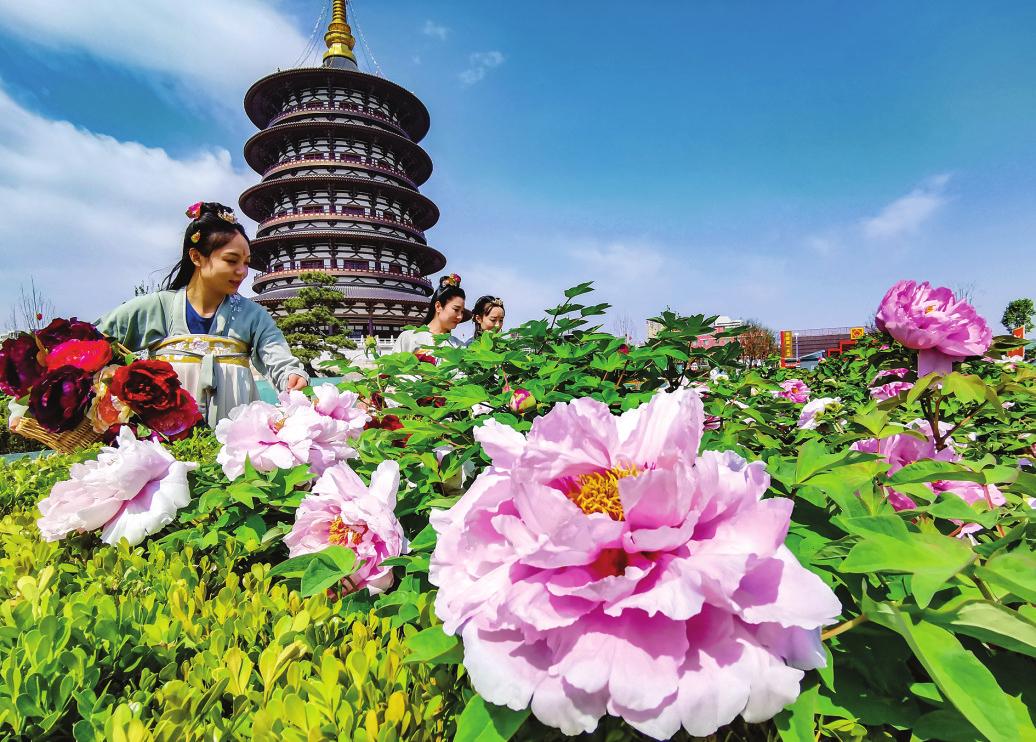
White Horse Temple China Reveals Two Distinct Worlds Within One Monastic Complex
Visitors often ask the same question once they pass through the main gate: why does one monastery contain a traditional Chinese axis on one side and a cluster of Indian, Thai, and Myanmar-style buildings on the other? The answer sits at the center of why White Horse Temple China matters to anyone studying how Buddhism moved across Asia. This single site, near Luoyang in Henan province, functions almost like a layered timeline — the older axis shows how Buddhism was absorbed into Chinese building tradition, while the newer international halls show how that same religion still connects nations today.
Understanding the split isn’t just trivia for a guidebook. It changes how you plan your route, how much time you budget, and what you actually learn from the visit. Below is a practical breakdown of both zones, a direct comparison with the Indian, Thai, and Myanmar-style complexes, and a step-by-step plan for covering the site without missing the details that make it worth the trip.
What the Chinese Axis Tells You About Native Buddhist Architecture
The original compound follows a strict north-south axis, a layout borrowed from Chinese palace and temple-building conventions rather than from Buddhism’s South Asian origins. Walking the axis in sequence — gate, bell and drum towers, main halls, rear pavilion — mirrors how a visitor would move through a Han-dynasty administrative complex, not a South Asian monastery. That’s the core lesson: when Buddhism entered China, it didn’t just bring new statues and sutras, it was poured into an existing architectural mold.
Key structural signals to look for on this side:
- Symmetrical courtyards stacked front-to-back rather than radiating from a central stupa
- Upturned tiled rooflines and timber bracket systems typical of traditional Chinese construction
- Statuary and hall names that reflect localized Buddhist terminology rather than transliterated Sanskrit forms
This native axis is the part most first-time visitors photograph and leave — which is a mistake, because it only tells half the story.
Comparison of the Chinese Temple Axis With the Indian, Thai, and Myanmar-Style Complexes
The newer international zones were added to represent Buddhist architectural traditions from countries with historical or diplomatic ties to Chinese Buddhism. Each style communicates a different relationship between religion, geography, and national building practice. The table below lays out what to look for in each zone and what it signals about cross-border Buddhist exchange.
| Zone / Style | Architectural Signature | What It Reveals About Buddhist Exchange |
|---|---|---|
| Chinese Axis (original) | North-south symmetry, tiled roofs, courtyard sequence | Buddhism adapted to existing Chinese palace-temple form rather than importing foreign layouts wholesale |
| Indian-style pavilion | Stupa-influenced forms, carved stone detailing referencing early South Asian Buddhist sites | Direct acknowledgment of Buddhism’s geographic origin and the monks who first carried scripture into China |
| Thai-style hall | Steep, multi-tiered gilded roofs, narrow vertical proportions | Reflects Theravada Buddhist building tradition and modern cultural diplomacy between China and Southeast Asia |
| Myanmar-style complex | Golden stupa form, bell-shaped dome, open plaza setting | Represents a separate transmission line of Buddhism, distinct from the Chinese Mahayana route, built to highlight shared regional faith rather than shared architecture |
The practical takeaway: if your interest is how Buddhism changed once it reached China, spend your time on the original axis. If your interest is how Buddhism connects China to the wider Buddhist world today, the Indian, Thai, and Myanmar zones are the ones worth the longer stop. Most visitors do the opposite by default, because the native axis sits closest to the entrance.
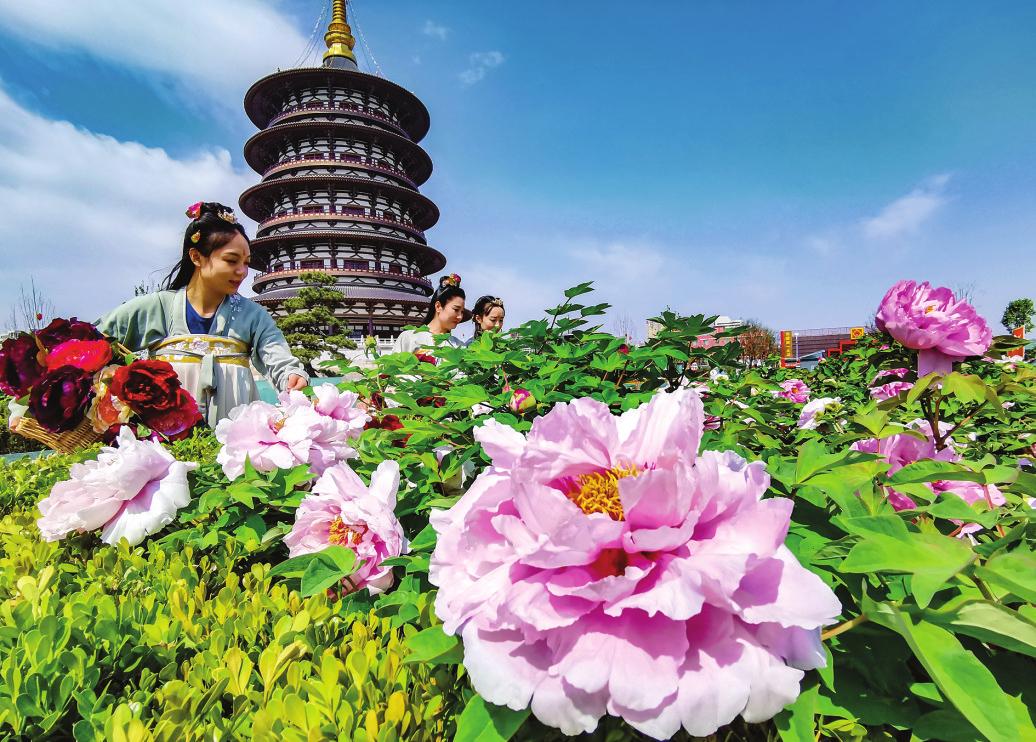
How to Plan a Visit That Covers Both Zones Without Running Out of Time
Because the complex is larger than first-time visitors expect, a loose wander rarely covers both sides properly. Use this sequence instead.
- Step 1 — Walk the Chinese axis first, start to back. Checkpoint: note the progression from outer gate to the rear hall; this order is intentional and explains the hierarchy of worship spaces. Common failure: visitors cut through side courtyards and miss the sequencing entirely.
- Step 2 — Pause at the point where the axis ends and the international section begins. Checkpoint: there’s usually a visible shift in roofline style and color palette — that’s your cue you’ve crossed from the native Chinese zone into the added international one. Common failure: people assume the whole site is one continuous style and stop looking for the transition.
- Step 3 — Visit the Indian-style pavilion before the Thai and Myanmar zones. Checkpoint: this keeps the visit in a rough chronological order of Buddhism’s spread — origin first, regional variations after. Common failure: visiting in random order, which makes the architectural contrast harder to register.
- Step 4 — Allow extra time at the Myanmar-style complex if you’re interested in Southeast Asian Buddhist architecture. Checkpoint: this zone tends to be the most visually distinct and the easiest to misread as “the main temple” by visitors unfamiliar with the layout. Common failure: rushing through because it’s located furthest from the entrance.
- Step 5 — Budget at least two to three hours total if you want to see both zones properly. Checkpoint: a rushed one-hour visit almost always means skipping the international zones entirely. Common failure: treating the site like a quick photo stop rather than a two-part architectural comparison.
A Quick Decision Checklist for Visitors Short on Time
If you can’t cover the full site, use this checklist to decide where to focus:
- Studying Chinese Buddhist history or architecture specifically? Prioritize the original axis.
- Interested in Buddhism’s cross-border transmission? Prioritize the Indian, Thai, and Myanmar zones.
- Traveling with a group that has mixed interests? Split the visit — axis first for historical context, international zones second for visual contrast.
- Visiting primarily for photography? The Myanmar-style stupa and Thai-style hall photograph better in late afternoon light; the Chinese axis courtyards are better suited to morning shots when the halls aren’t backlit.
- Short on time (under 90 minutes)? Walk the axis only, and treat the international zones as a reason to return rather than rushing both in one pass.
One scenario worth noting: a visitor planning a half-day academic trip focused on early Chinese Buddhist history would get little value from rushing through the Myanmar stupa zone — that area speaks more to modern regional diplomacy than to the temple’s founding period. In that case, the checklist above says skip it, not force it in.
Where This Comparison Matters Beyond a Single Site Visit
The contrast at White Horse Temple, China, is a useful model for anyone studying Buddhist architecture more broadly — it shows, in one walkable space, how a religion both assimilates into local building tradition and still maintains visible ties to its regional variants abroad. That dual identity — local axis, international periphery — is not common at most historic temple sites, which makes this complex a useful reference point when comparing it against other Buddhist landmarks across China and neighboring countries.
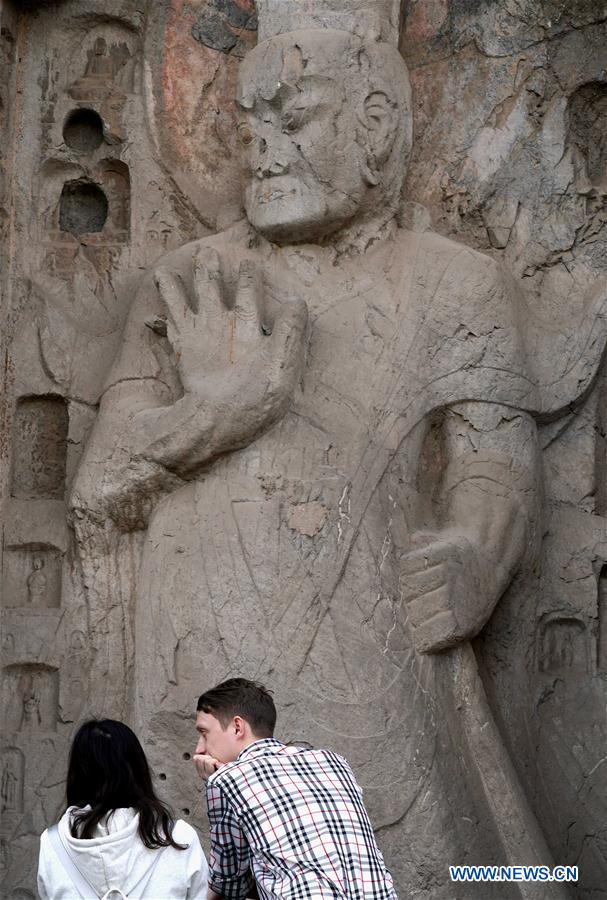
If you’re organizing a group tour, academic trip, or cultural itinerary that includes this site, it helps to confirm current visiting hours and zone access with the temple administration before finalizing your schedule, and to request guidance on route sequencing if your group has specific architectural or historical focus areas.
