By
By Why Longmen Grottoes Achieved UNESCO World Heritage Status
For B2B stakeholders in heritage tourism, cultural preservation, or international logistics, understanding the unique value of sites like the Longmen Grottoes is crucial. The question often arises: what specific criteria elevate this monumental collection of Buddhist art to the esteemed position of a UNESCO World Heritage Site? The answer lies in its profound artistic achievement, the historical record of imperial patronage, and its unparalleled long Buddhist historical record, each contributing to its global significance and requiring dedicated preservation efforts.
The Enduring UNESCO Significance of Longmen Grottoes
The inscription of the Longmen Grottoes on the UNESCO World Heritage List highlights its irreplaceable value to humanity. This recognition is not merely symbolic; it acknowledges the site’s exceptional universal value across several key dimensions. Here, we clarify the specific UNESCO values that underpin its status:
-
Q: What artistic achievements make the Longmen Grottoes significant?
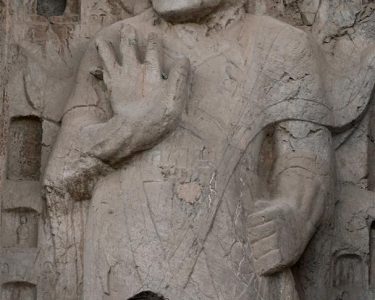
A: The Longmen Grottoes represent a pinnacle of Chinese stone carving and Buddhist art from the late 5th to the mid-8th centuries. The site showcases a direct evolution of artistic styles, transitioning from the elongated, ethereal figures characteristic of the Northern Wei Dynasty to the more robust, realistic, and opulent forms of the Tang Dynasty. This stylistic progression is visible across thousands of statues, ranging from miniature to colossal, carved directly into the limestone cliffs. The sheer scale—over 100,000 statues and 2,500 niches—demonstrates an unparalleled artistic dedication and technical mastery in depicting Buddhist iconography and narratives.
-
Q: How does imperial patronage factor into the site’s UNESCO status?
A: Imperial patronage was fundamental to the creation and expansion of the Longmen Grottoes, solidifying its historical importance. The construction began under Emperor Xiaowen of the Northern Wei Dynasty, who moved his capital to Luoyang in 493 AD, initiating the first major carvings. Later, during the Tang Dynasty, emperors and empresses, most notably Empress Wu Zetian, invested heavily in the site. Her patronage led to the creation of some of the most magnificent and monumental carvings, such as the Vairocana Buddha at Fengxian Temple, which is said to bear a resemblance to the empress herself. This direct involvement of imperial power not only ensured vast resources but also reflected the state’s endorsement of Buddhism, offering a unique historical record of imperial religious and cultural policy.
-
Q: What is the long Buddhist historical record at Longmen, and why is it important?
A: The Longmen Grottoes offer an unbroken and extensive record of Buddhist belief and practice in China over several centuries. The site contains not only statues but also numerous inscriptions and steles that document the reasons for their creation, the individuals who commissioned them (from emperors to common citizens), and the prayers associated with them. This rich epigraphic record provides invaluable insights into the social, political, and religious history of the time, illustrating the widespread adoption and adaptation of Buddhism in Chinese culture. It serves as a comprehensive historical archive carved in stone, tracing the intellectual and spiritual life of a civilization through its religious art.
These combined attributes ensure the Longmen Grottoes stand as a testament to human creative genius and a vital repository of cultural and religious history.

Tracing the Dynastic Artistry and Evolution at Longmen
The artistic journey presented within the Longmen Grottoes is a compelling narrative of evolving styles and religious interpretation, primarily shaped by two dominant dynasties: the Northern Wei and the Tang. Understanding these distinct periods is essential for appreciating the site’s full artistic scope.
The earliest significant carvings at the Longmen Grottoes date back to the late 5th century during the Northern Wei Dynasty. This era saw the initial flourishing of Buddhist art, influenced by Silk Road transmissions and indigenous Chinese aesthetics. As the Tang Dynasty rose to power in the 7th century, a new wave of artistic expression swept through the grottoes, reflecting a period of unparalleled imperial power and cultural confidence.
Here is a comparison highlighting the key characteristics of the Longmen Grottoes’ artistry during these two pivotal dynastic periods:
| Feature | Northern Wei Dynasty (c. 493 – 534 AD) | Tang Dynasty (c. 618 – 907 AD) |
|---|---|---|
| Figural Proportions | Elongated, slender bodies; often with exaggerated neck length and delicate features. | Fuller, more rounded and realistic figures; robust and earthly proportions. |
| Facial Expressions | Ethereal, serene, and otherworldly; often with a mystical smile. | More humanistic and natural; exuding confidence, compassion, or power. |
| Drapery and Garments | Stylized, linear folds that suggest movement and a sense of lightness; “wet drapery” effect common. | Voluminous, flowing robes that cling to the body, emphasizing the form underneath; more naturalistic folds. |
| Overall Impression | Spiritual, ascetic, and elegant; reflecting the early stages of Buddhist integration into Chinese culture. | Grandiose, opulent, and powerful; signifying the golden age of Chinese Buddhism and imperial might. |
| Notable Examples | Binyang Caves (especially Binyang Middle Cave), Wei-style niches. | Fengxian Temple (Vairocana Buddha), Qianxi Temple, Wanfo Cave. |
This distinct evolution at the Longmen Grottoes provides art historians and cultural researchers with a unique chronological reference point. The shift from the abstract spiritualism of the Northern Wei to the tangible grandeur of the Tang reflects broader changes in Chinese society, religious interpretation, and imperial aspirations. Each carving within the Longmen Grottoes narrative contributes to a comprehensive understanding of these transformations.
Safeguarding Longmen’s Legacy: Challenges and Conservation Principles
Preserving a site as vast and historically significant as the Longmen Grottoes presents complex challenges that demand continuous, multi-faceted conservation efforts. The very nature of the site, carved into limestone cliffs and exposed to the elements for over a millennium, means it is susceptible to various forms of degradation. Effective stewardship requires a deep understanding of these threats and the implementation of scientifically sound preservation principles.
Over centuries, the Longmen Grottoes have faced numerous threats, both natural and human-induced. Natural processes such as erosion from wind and rain, temperature fluctuations leading to freeze-thaw cycles, and seismic activity have all contributed to the degradation of the stone. Human factors, including historical vandalism, looting, and uncontrolled tourism, have also taken a toll on the intricate carvings and invaluable inscriptions. Addressing these issues systematically is paramount to ensuring the long-term survival of the site.
Conservation efforts at the Longmen Grottoes integrate modern scientific techniques with traditional preservation wisdom. This includes detailed environmental monitoring, structural reinforcement where necessary, and the delicate work of restoring damaged sculptures and inscriptions. The goal is always to stabilize the existing fabric of the site while minimizing intervention and respecting its original form and materials.
Common challenges faced in preserving ancient grotto sites like Longmen include:
- Environmental Exposure: Constant exposure to weather elements (rain, wind, temperature swings) causes physical erosion, chemical weathering, and biological growth (moss, lichen) that can damage stone surfaces. Managing water runoff and controlling microclimates within caves are critical.
- Material Degradation: The inherent properties of the limestone itself, including its porosity and strength, can lead to cracking, flaking, and powdering over time. Understanding the geological context and material science is vital for effective treatment.
- Human Impact: Tourism, while beneficial for appreciation and funding, can also lead to wear and tear from touching, accidental damage, or even deliberate vandalism. Controlling visitor access, educating the public, and implementing non-invasive viewing methods are essential.
- Pollution: Atmospheric pollution, particularly from industrial activity or vehicle emissions in surrounding areas, can accelerate chemical weathering and deposit harmful substances on stone surfaces. Air quality monitoring and regional environmental policies play a role.
- Structural Instability: Over time, natural geological processes or even past interventions can compromise the structural integrity of the grottoes, leading to risks of collapse. Geotechnical surveys and structural engineering solutions are often required.
- Lack of Funding and Expertise: Long-term conservation requires substantial financial resources and highly specialized expertise in archaeology, art history, chemistry, engineering, and cultural heritage management. Securing consistent funding and training skilled personnel are ongoing challenges.

The ongoing preservation of the Longmen Grottoes serves as a model for heritage conservation globally. It underscores the necessity of a holistic approach that combines scientific research, international cooperation, and public engagement to protect cultural treasures for future generations. The work at the Longmen Grottoes is a continuous process, adapting to new challenges and leveraging advancements in conservation science to maintain the integrity of this extraordinary historical and artistic record.
To learn more about the broader context of rock-cut architecture and its global significance, consult authoritative sources such as Wikipedia’s entry on the Longmen Grottoes, which provides extensive historical and artistic detail.
For organizations seeking to understand best practices in cultural site management or explore partnership opportunities related to heritage preservation, our team offers insights into the operational and logistical aspects of supporting such monumental efforts.