
Blog
Why Luo Yang Is Celebrated as China’s City of Peonies

Why Luo Yang Is Celebrated as China’s City of Peonies
For centuries, a single flower has defined the cultural identity of an entire city. The question isn’t just whether peonies grow in Luo Yang; it’s why this city, among all others in China, has become inextricably linked with this celebrated blossom. The connection runs deeper than simple horticulture, weaving through imperial history, legendary tales, and a modern festival that draws visitors from around the globe.
The answer lies in a unique convergence of imperial patronage, ideal growing conditions, and a cultural reverence that has been cultivated for over 1,500 years. For any business professional or cultural traveler looking to understand the essence of this ancient capital in Henan province, understanding its relationship with the peony is the first and most vital step.
The Historical Roots: How Imperial Favor Forged a Floral Legacy
The peony’s rise to prominence is not an accident of nature but a direct result of historical events centered in Luo Yang. While the flower was appreciated before, it was during the Tang Dynasty (618-907 AD), when the city served as a secondary capital, that its status was cemented. The imperial court’s fascination transformed the peony from a medicinal plant into a symbol of wealth, power, and nobility.
Legend attributes the flower’s deep association with the city to Empress Wu Zetian, China’s only female emperor. The story goes that she once ordered all flowers in her imperial garden to bloom in the dead of winter. All complied except the proud peony. Angered, she banished the peonies from the capital Chang’an (modern-day Xi’an) to Luo Yang. Instead of perishing, the peonies thrived in their new home, producing even more spectacular blossoms. This tale, whether true or apocryphal, perfectly captures the resilient and regal character assigned to the flower and permanently tied its destiny to the city.
Following the Tang Dynasty, scholars, poets, and officials continued to praise the Luo Yang peony. The Song Dynasty philosopher Ouyang Xiu wrote, “The peony is the most beautiful flower in the world,” solidifying its reputation in literature and art. This centuries-long cultural endorsement ensured that while other cities grew peonies, Luo Yang was, and remains, the benchmark for quality and beauty.

The Cultural Heart: Understanding the Peony’s Symbolism and Celebration
To truly grasp why Luo Yang is the “City of Peonies,” one must look beyond history and into its living culture. The flower is not just a plant; it’s a symbol, a festival, and a core part of the city’s identity. This section breaks down the key cultural elements that define this unique relationship.
Symbolism in Chinese Culture
The peony (牡丹, mǔdān) is often called the “king of flowers” in China. Its large, lush petals and vibrant colors have made it a powerful symbol of prosperity, honor, and good fortune. In art and decor, it represents wealth and high social status. It is also associated with feminine beauty, love, and affection, making it a fixture in everything from classical paintings to modern textile designs. The peonies of Luo Yang are considered the most magnificent, embodying these auspicious qualities to their fullest.
The Annual Peony Culture Festival
The most visible expression of the city’s floral pride is the Peony Culture Festival of China, typically held from early April to early May. This is not merely a flower show but a city-wide celebration encompassing cultural performances, art exhibitions, trade forums, and public festivities. The festival transforms the city, attracting millions of tourists and business delegations who come to witness the spectacle. Planning a visit during this period is essential for experiencing the city at its most vibrant.
Major Peony Viewing Gardens and Parks
While peonies can be seen throughout the city during the festival, several dedicated gardens offer the most breathtaking displays. Each park has a slightly different focus and peak blooming time, making it possible to see spectacular flowers throughout the festival month. Below is a comparison of the primary viewing locations.
| Garden / Park Name | Key Features | Best For | General Location |
|---|---|---|---|
| National Peony Garden (Guo Se Tian Xiang Yuan) | Known for its vast collection of rare and heritage peony varieties. It has a strong focus on the history and science of peony cultivation. | Enthusiasts interested in botanical variety and historical significance. | North of the city center. |
| Luoyang International Peony Garden (Guo Ji Mu Dan Yuan) | Features a massive scale with over 600 domestic and international peony varieties. Known for late-blooming species, extending the viewing season. | Visitors arriving later in the festival season (late April to early May). | Northern suburbs. |
| Shenzhou Peony Garden (Shen Zhou Mu Dan Yuan) | Located opposite the White Horse Temple, it blends peony viewing with Tang Dynasty architectural styles and cultural performances. | Travelers wanting to combine flower viewing with a visit to a major historical site. | East of the old town. |
| Wangcheng Park (Wang Cheng Gong Yuan) | The oldest park in the city, it combines a zoo with extensive peony gardens. It’s the main venue for the festival’s opening ceremony. | Families and those seeking a central, multi-attraction experience. | City center. |
Planning a Successful Business or Cultural Trip to Luo Yang
A trip to Luo Yang, especially during the peak peony season, requires careful planning to be effective. For business travelers, leveraging the festival’s atmosphere can be a powerful networking tool, but it also presents logistical challenges. For cultural tourists, avoiding common pitfalls can make the difference between a memorable journey and a frustrating one.
Common Mistakes to Avoid During Peony Season
Understanding potential issues in advance allows for smoother travel and a more productive visit. Here are some frequent missteps that visitors make:
- Mistake: Mistiming the Visit. The peonies have a peak blooming window. Arriving in the first week of April might be too early for some varieties, while arriving in mid-May might be too late. The sweet spot is generally from mid-to-late April, but this can vary slightly each year based on weather.
- The Fix: Check local tourism reports or news from the previous year to gauge the timing. If your schedule is fixed, choose a garden known for early or late-blooming varieties to match your dates, such as the Luoyang International Peony Garden for a later trip.
- Mistake: Underestimating Crowds and Logistics. The Peony Festival is a major national event. Hotels, transportation, and tickets to major sites like the Longmen Grottoes can be fully booked weeks in advance. Expect significant traffic congestion and long queues.
- The Fix: Book accommodations and train tickets at least one to two months prior. For local transport, consider using ride-hailing apps early in the day or hiring a private driver for efficiency.
- Mistake: Focusing Only on Peonies. While the flowers are the main draw, Luo Yang is one of the Four Great Ancient Capitals of China. Neglecting its other world-class historical sites is a missed opportunity.
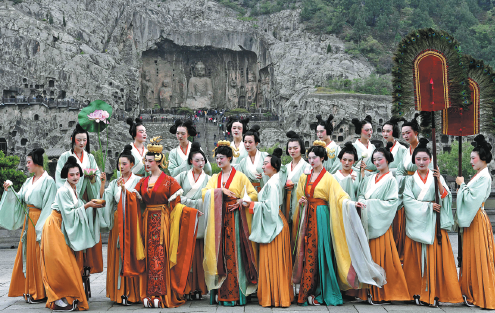
- The Fix: Allocate dedicated time for the UNESCO World Heritage Site, the Longmen Grottoes, as well as the White Horse Temple (the first Buddhist temple in China) and the Luoyang Museum. These sites provide critical context to the city’s immense history.
Beyond the Blossoms: The Modern Economic Impact
The peony’s influence extends far beyond tourism. It is a significant economic driver for the region. The cultivation of peonies supports a robust agricultural sector, and the flower itself is used to produce a range of commercial goods, including peony seed oil, teas, cosmetics, and traditional medicines. The annual festival also serves as a major trade and investment fair, attracting businesses from across China and internationally. This blend of ancient culture and modern commerce makes Luo Yang a fascinating case study in leveraging cultural heritage for economic development.
For any organization looking to engage with business in central China, understanding this cultural linchpin provides a unique entry point for building relationships and appreciating local market dynamics.
To learn more about navigating the business and cultural landscape of Henan province, contact our team for specialized insights and support.
