By
By Luoyang’s Horse Temple Takes Its Name From the White Horses That Carried Buddhist Sutras From India
Anyone searching “horse temple” online quickly runs into a naming puzzle. Why would a Buddhist monastery in central China be named after an animal rather than a deity, a founder, or a mountain? The short answer: two white horses are credited with physically transporting the first Buddhist scriptures and images into China, and the temple built to house them kept that memory alive in its name. This article unpacks that origin story, separates it from common misreadings of the search term, and gives practical context for readers researching Luoyang’s most historically significant religious site.
What Does “Horse Temple” Actually Refer To?
Before going further, it helps to clear up a search-intent issue. “Horse temple” is not a generic category of shrine dedicated to horses as animals. It is the informal English rendering of Baima Si, commonly translated as White Horse Temple, located just east of Luoyang in Henan Province. Confusion arises because the phrase sounds literal — as if horses were worshipped there. They were not. The name is commemorative, referring to the transport animals in the temple’s founding legend, not to any equine deity or cult.
This distinction matters for travelers and researchers alike. If you land on this page while researching “horse temple” for a China itinerary, you are almost certainly looking for the White Horse Temple in Luoyang — traditionally regarded as the first Buddhist temple established on Chinese soil after the religion’s introduction from Central and South Asia.
The Origin Story: Monks, Sutras, and Statues Carried by White Horses
The naming tradition traces back to an account recorded in later Chinese Buddhist chronicles, describing events during the Eastern Han Dynasty. According to that account, the Han emperor dispatched envoys westward after experiencing a dream interpreted by court advisors as a sign pointing toward a foreign teaching — later understood to be Buddhism. The envoys traveled toward Central Asia and India, where they met monks willing to bring the teaching east.
The key elements of the legend, as passed down through temple tradition, break down as follows:
- The monks: Two Indian or Central Asian monks, traditionally named Kasyapa Matanga and Dharmaratna, agreed to accompany the Han envoys back to the capital region.
- The sutras: Buddhist scriptures, transcribed onto scrolls or palm-leaf manuscripts, were loaded for the journey east — the first Buddhist texts recorded to have entered China through official channels.
- The statues: Buddha images accompanied the scriptures, giving the receiving court its first physical representation of the new teaching.
- The white horses: White horses carried these sutras and statues across the overland route back to the Han capital near present-day Luoyang.
When the monks arrived, the emperor ordered a temple built to house the scriptures and honor the journey. The white horses that had carried the sacred cargo were commemorated directly in the name of the new institution — Baima Si, White Horse Temple. That naming choice has persisted for roughly two millennia, making it one of the oldest continuously referenced place-names tied to Buddhism’s entry into East Asia.
It is worth being precise about the limits of this story. Much of the account comes from later Buddhist historiography rather than contemporaneous Han court records, so historians treat the narrative as a foundational legend with a plausible historical kernel — not a verified, document-by-document itinerary. The temple’s antiquity and its role as an early center of Buddhist translation work are well established; the exact details of the horses’ journey are transmitted tradition rather than independently verified fact.
Why Luoyang Became the Site of China’s First Buddhist Temple
Luoyang’s selection was not incidental. As one of the Han Dynasty’s imperial capitals, it sat at the administrative and cultural center of the empire, with established trade and diplomatic routes reaching toward Central Asia. A temple built near the capital gave the new teaching direct access to court patronage and to the scholars needed for translating scripture into Chinese.
This matters for anyone trying to understand why the horse temple carries the weight it does in Buddhist history. It was not simply the first temple chronologically — it also became an early hub for scripture translation, training monks who would carry Buddhist practice further into China. That combination of “first” and “central” is why the site still draws religious pilgrims, historians, and general travelers today.
Common Misconceptions About the Horse Temple’s Name
Because the search term is easy to misread, a few recurring mistakes show up in casual research and travel planning:
- Mistake: assuming it is a temple for horse worship. The name commemorates transport animals from a founding legend; there is no horse deity or animal-worship tradition associated with the site.
- Mistake: confusing it with equestrian or folk-religion “horse god” shrines. Separate, smaller folk shrines dedicated to horse deities exist in Chinese folk religion, but they are unrelated institutions with different histories.
- Mistake: treating the founding legend as a fully documented historical record. As noted above, the story is transmitted through later Buddhist tradition; treat specific narrative details as legend rather than verified chronicle.
- Mistake: assuming “White Horse Temple” is a translation choice with multiple English variants. While transliterations of Baima Si vary slightly across sources, “White Horse Temple” is the standard English name used in almost all English-language references and travel materials.
Visiting the White Horse Temple Today — A Practical Checklist
For readers moving from research into trip planning, a short checklist helps separate must-do items from optional extras:
- Confirm current opening hours locally before traveling — hours can shift seasonally and around religious observances.
- Set aside enough time to see both the original historic core and the later expansions added over subsequent centuries, since the site has grown well beyond its founding-era footprint.
- Pair the visit with other Luoyang cultural sites, such as the Longmen Grottoes, given their geographic proximity and shared historical period.
- Bring a guide or reference material if you want the founding legend explained on-site — placards may summarize it briefly rather than in full detail.
- Treat photography and conduct expectations as you would at any active place of worship; parts of the complex remain in religious use, not purely a museum space.
This checklist applies to general cultural travelers. It does not apply if you are researching the site purely for academic or textual history purposes — in that case, primary Buddhist chronicles and scholarly translations will serve you better than an on-site visit alone.
Frequently Asked Questions About Luoyang’s Horse Temple
Is the horse temple the same as White Horse Temple?
Yes. “Horse temple” is an informal shorthand for White Horse Temple, the English rendering of Baima Si in Luoyang. There is no separate, unrelated site commonly known by that exact informal name in mainstream English-language sources.
Were real horses kept or honored at the temple?
No live horses are part of temple practice today. The name is commemorative, referencing the animals said to have carried scriptures and statues during the founding journey, not an ongoing ritual involving horses.
Is the founding legend historically verified?
Parts of it are supported by broader historical consensus — Buddhism’s introduction during the Han Dynasty and Luoyang’s role as an early translation center are well documented. The specific details of the monks’ journey and the horses’ role come from later Buddhist tradition and should be understood as legend with a historical basis, not a fully verified itinerary.
Does the temple still function as an active place of worship?
Yes, portions of the complex remain active for religious practice alongside its role as a historical and tourist site, so visitors should expect a mix of devotional and heritage-site conventions.
Are there similar “white horse” named Buddhist sites elsewhere in Asia?
A few Buddhist sites in other East Asian countries reference similar founding legends involving white horses, often as a nod to the Luoyang original. These are distinct institutions with their own local histories, not branches of the Luoyang temple.
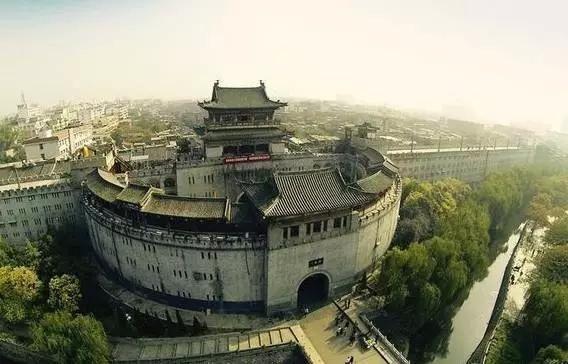
If you are planning research, group travel, or educational content around Luoyang’s White Horse Temple, feel free to reach out for further source material or itinerary guidance tailored to your specific questions.