Understanding Luoyang’s Location in China
Luoyang is an ancient capital in central China, known for its remarkable history, cultural heritage, and beautiful landscapes. Understanding Luoyang’s geographical position helps travelers see how the city connects the Central Plains with the mountains and river valleys of western Henan.
Luoyang is situated in the western part of Henan Province, in the central plains of China. The city lies between the Luo River and the Yellow River, with mountains surrounding it to the west and east. This setting has shaped Luoyang’s history, culture, architecture, and traditions for more than 3,000 years.
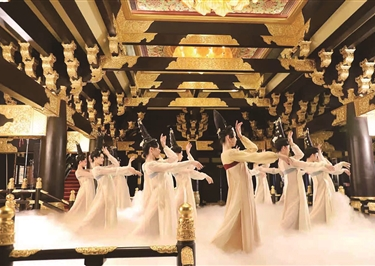
Luoyang’s Regional Orientation: A Geographical Overview
Luoyang’s position relative to major rivers, provincial boundaries, and mountain ranges helps explain its importance in Chinese history and its distinctive scenery today.
- Position between the Luo River and Yellow River:
- The Luo River: Flows directly through Luoyang.
- Historical and cultural importance: The river has supported settlements and agriculture for centuries and remains an important feature of the city’s landscape. Riverside parks and walking areas offer pleasant places to experience Luoyang at a relaxed pace.
- The Yellow River (Huang He): Located to the north of Luoyang, forming part of Henan’s northern border. The Yellow River is often called the “Cradle of Chinese Civilization.”
- Historical and cultural importance: The river basin is closely connected with the development of Chinese civilization. Its fertile plains and ancient waterways influenced the growth of cities, agriculture, and culture throughout the region.
- The Luo River: Flows directly through Luoyang.
- Location within Western Henan Province:
- Landscape: Western Henan is generally more mountainous and hilly than the flat central and eastern parts of the province. This varied terrain creates scenic countryside, valleys, and historic routes around Luoyang.
- Major Surrounding Landforms:
- Songshan Mountain (to the east): One of China’s Five Great Mountains, famous for the Shaolin Temple.
- Historical and cultural importance: Songshan has been an important sacred and cultural landscape for centuries. Its temples, monasteries, and mountain trails make it a popular destination for travelers exploring the heritage of Henan.
- Qinling Mountains (to the west): A major east-west mountain range in China, extending far west.
- Geographical importance: The Qinling Mountains form an important geographical and climatic divide between northern and southern China. Their eastern gateway lies within reach of Luoyang and contributes to the region’s varied scenery and cultural traditions.
- Songshan Mountain (to the east): One of China’s Five Great Mountains, famous for the Shaolin Temple.
This geographical setting gives Luoyang a distinctive identity as both a historic heartland and a scenic city surrounded by rivers, plains, and mountains. It is an excellent base for exploring ancient capitals, Buddhist heritage, traditional culture, and the landscapes of central China.
Luoyang’s Historical and Cultural Influence
Luoyang’s profound historical legacy, particularly its role as an ancient capital for numerous dynasties, can be seen throughout the city’s monuments, museums, religious sites, and cultural traditions. Its long history gives visitors the opportunity to explore Chinese civilization across many different periods.
For centuries, Luoyang was a political, economic, and cultural center. This encouraged the development of sophisticated administration, advanced craftsmanship, literature, religion, and art. Many elements of this heritage remain part of the city’s character today:
- Ancient Routes and Connectivity: Luoyang stood at the crossroads of important ancient routes across the Central Plains. These connections helped spread ideas, religions, art, and literature throughout China.
- Skilled Craftsmanship: The city’s history as a center for imperial craftsmanship fostered traditions in ceramics, sculpture, calligraphy, and other arts. Visitors can discover these traditions in local museums, historic neighborhoods, and cultural experiences.
- Historic Landmarks: Luoyang is home to extraordinary sites including the Longmen Grottoes, White Horse Temple, Luoyang Ancient Tombs Museum, and the ruins of former capital cities.
- Cultural Heritage & Tourism: Luoyang’s rich cultural heritage makes it one of China’s most rewarding destinations for history lovers. Seasonal events such as the Luoyang Peony Festival add color to the city’s cultural calendar.
Understanding where is Luoyang in China goes beyond locating the city on a map. Its position between major rivers and mountain ranges helps explain why it became one of China’s great ancient capitals and why it remains an engaging destination for history, culture, and nature.
About Luoyang Joy Tours
Luoyang Joy Tours is a locally based travel agency in Luoyang, specializing in private tours for international travelers across Luoyang, Shaolin, Xi’an and Central China. English-speaking guides, flexible itineraries and door-to-door service.
Learn more about us or browse all our tours.