
 By
By Horse Temple Complete Guide
A horse temple is a dedicated religious or ceremonial structure built to honor horses, often through carved effigies, designated stables, or ritual spaces. For B2B buyers in cultural restoration, heritage tourism, and specialty construction, a horse temple presents distinct sourcing and design challenges that standard shrine projects do not. Understanding the functional layout, material expectations, and regional symbolism can prevent costly rework and supplier mismatches.
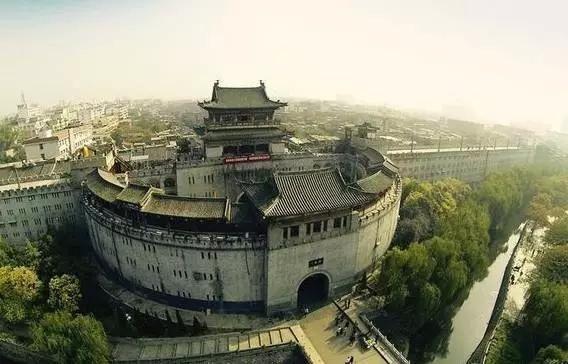
What Is a Horse Temple
In its simplest form, a horse temple functions as a ritual anchor for communities that depend on horses for transport, agriculture, or military tradition. Unlike general animal shrines, a horse temple places equine imagery at the center of worship, rather than as a secondary motif. You will typically find a raised platform for offerings, a covered hall for ceremonies, and an adjacent open area for live horses during festivals.
Our technical team has reviewed tender documents for equine heritage projects across multiple regions. A recurring issue is that buyers treat a horse temple like a generic pavilion. That assumption leads to wrong joinery specifications, inappropriate stone finishes, and poor drainage around animal holding areas. The purpose of this guide is to help procurement professionals and project managers evaluate the right criteria before committing to a supplier.
Why Horse Temples Matter for B2B Buyers
From an export and procurement perspective, a horse temple involves a combination of carved stone, structural timber, metal fittings, and sometimes decorative tilework. Each material category carries its own lead time, weather resistance profile, and handling risk. Buyers who source these components separately often face integration problems on site.
- Stone and masonry: Horse figures, plinths, and ceremonial steps usually require hand-finishing or CNC replication of historical profiles.
- Timber framing: Roof spans over open ritual halls demand stable moisture content and joint detailing suited to seismic or high-wind zones.
- Metalwork: Gate hinges, ritual bells, and equine tack hooks must resist corrosion without modern coatings that clash with heritage aesthetics.
- Drainage and ground preparation: Live horses create organic waste and hoof load. The temple floor must slope correctly and use permeable bedding layers.
When a buyer lacks a clear specification for a horse temple, suppliers may substitute standard temple components that do not account for animal movement or ceremonial processions. That is why this guide emphasizes evaluation over assumption.
The Defining Features of a Horse Temple
What separates a genuine horse temple from a standard shrine or memorial pavilion? The answer lies in five areas: central iconography, spatial planning, material emphasis, ritual circulation, and maintenance access. The table below summarizes the key differences.
| Feature | Standard Shrine | Horse Temple |
|---|---|---|
| Central icon | Ancestor tablet, deity figure, or abstract symbol | Carved horse effigy, painted equine panel, or life-size equestrian statue |
| Spatial layout | Single altar hall with limited side rooms | Open front courtyard, covered ritual area, and adjacent stable or tethering zone |
| Material emphasis | Symmetry and ornament for visual hierarchy | Durable floor surfaces, hoof-resistant thresholds, and weather-shedding eaves |
| Ritual circulation | Linear entry to altar | Processional path wide enough for led horses and handlers |
| Maintenance access | Periodic cleaning and relic care | Daily manure removal, water supply, and periodic hoof-path repair |
These distinctions matter because a horse temple cannot be value-engineered the same way as a static monument. In my experience with heritage supply assessments, the most common failure is underestimating the wear path from repeated horse traffic. A standard stone threshold may crack within the first festival season if it lacks a reinforced sub-base or impact-resistant edge detail.
Types of Horse Temples Across Regions
Different cultures express the horse temple concept through local materials and ritual calendars. Some traditions favor open-air altars with carved horse heads at the entrance. Others enclose the sacred area under a heavy tile roof, using painted brackets to show equine scenes. Buyers should confirm regional proportions before ordering pre-cut components, because door heights, courtyard dimensions, and roof slopes vary widely.
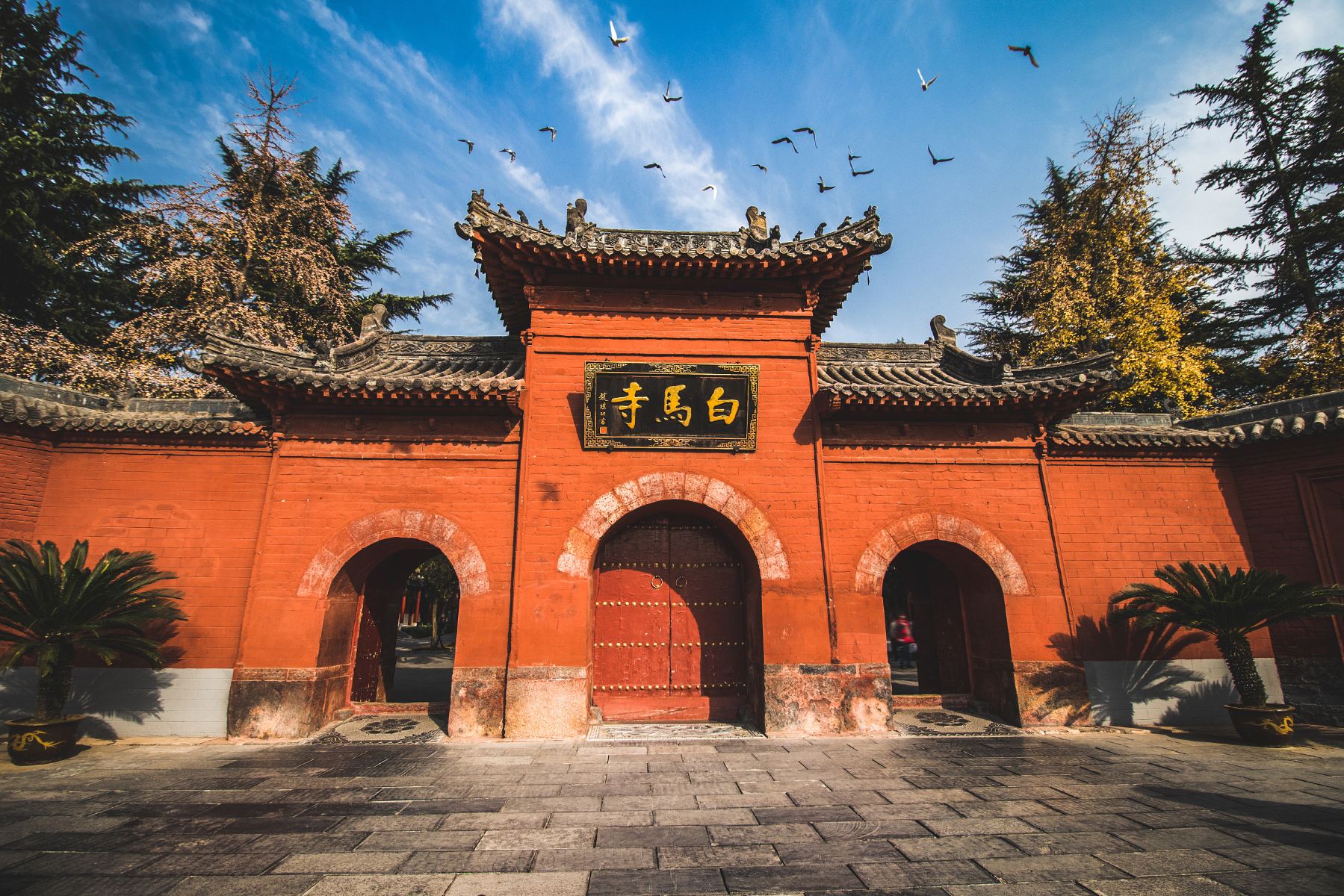
A horse temple in a mountainous climate may require steeper roof pitches and frost-resistant stone. A coastal or riverine site may demand corrosion-resistant metal fittings and elevated plinth construction. These are qualitative constraints, but they shape the entire bill of materials. We advise clients to request dimensional drawings from the local heritage authority or temple committee before finalizing export quantities.
Key Considerations for Restoration and Export Buyers
When sourcing a horse temple project, procurement teams should follow a structured checklist. Missing one item can delay customs clearance or create a mismatch between old and new fabric.
- Confirm material compatibility: New stone or timber must match the existing palette in texture, color range, and weathering behavior.
- Check moisture and drainage requirements: Animal zones need sloped surfaces and accessible cleanouts.
- Review transport constraints: Oversized horse statues or long roof beams may require crating, flat-rack containers, or special permits.
- Verify documentation: Ask for origin certificates, species declarations for timber, and any required export permits. Do not assume the supplier handles these automatically.
- Plan for ritual timing: Many horse temple sites schedule major festivals at fixed times of year. Late delivery can halt a community event, not just a construction timeline.
By treating the horse temple as a living-use structure rather than a decorative object, buyers reduce the risk of post-delivery disputes. A clear specification should include the maximum horse weight expected in the processional area, the frequency of ritual use, and the local climate zone.
Frequently Asked Questions About Horse Temples
What is the main purpose of a horse temple?
A horse temple serves as a sacred space for honoring horses, conducting blessings, and hosting seasonal equine rituals. For buyers, its purpose determines traffic flow, floor loading, and material durability.
Can a horse temple be built with modern materials?
Yes, but compatibility with heritage surroundings matters. Modern substrates can be used if they match the visual texture and perform under animal traffic. Always confirm with the preservation authority first.
How much space should be reserved for live horses?
The required area depends on the number of animals and the width of the processional path. The design must allow handlers to lead horses without turning sharply or crossing steep steps.
What should export buyers verify before ordering?
Confirm regional dimensions, material samples, drainage details, and legal permits. A component that works in one location may fail in another due to climate or ritual differences.
Conclusion
A horse temple is not a standard building. It combines ceremonial function, animal husbandry, and heritage aesthetics in a single footprint. For B2B buyers, the key is to evaluate the project as a working ritual space, not a decorative replica. Focus on the defining features, request detailed dimensional and material documentation, and plan around festival timelines. That approach turns a complex procurement into a manageable, clearly scoped supply plan.
