
 By
By Oldest Temple in China: How the Claim Is Proven
Determining the oldest temple in China is not a simple matter of looking at a single date on a plaque. The title is contested, and understanding the claim requires a verification framework. We examine founding dates, surviving physical structures, archaeological findings, and the continuity of religious use. For researchers and culturally curious travelers, this distinction matters. It separates documented history from popular legend.
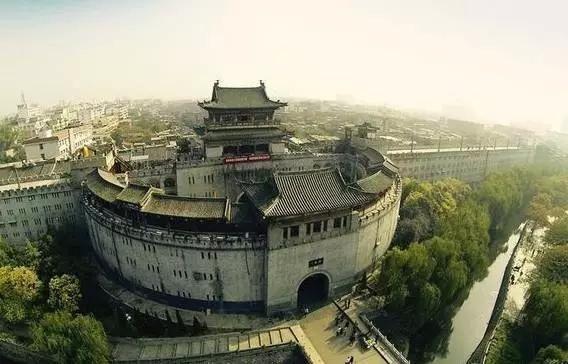
Defining the Oldest: A Framework for Verification
A temple might be old in spirit but new in structure. To fairly evaluate the claim of China’s oldest temple, we apply four strict criteria. First, we look at the historically documented founding date. Second, we analyze the physical age of the timber, stone, and brick that remain standing. Third, we consider archaeological strata beneath the current foundations. Fourth, we trace the unbroken line of religious activity on the site. A site abandoned for centuries and later rebuilt cannot easily claim the same title as one with continuous use. This framework helps us move past simple tourism narratives and into verifiable history.
White Horse Temple: The Standard Bearer
The White Horse Temple history narrative begins in 68 CE during the Eastern Han Dynasty. Emperor Ming dispatched envoys westward, resulting in the arrival of two Indian monks carrying Buddhist scriptures on white horses. The temple was established as a guesthouse for them, marking the formal introduction of Buddhism to China. Most standard textbooks cite this as the founding of the oldest Buddhist temple in China.
However, the buildings visitors see today are not Han Dynasty originals. The structures are predominantly restorations from the Ming and Qing dynasties, with significant reconstruction during the 20th century. The physical evidence of antiquity lies beneath the visitor pathways. Excavations have revealed rammed earth foundations and architectural fragments consistent with Han Dynasty construction methods. The site’s claim rests heavily on continuous religious function. Monks have chanted sutras here almost without interruption for nearly two millennia. The unbroken tradition, rather than the original timber, anchors its title.
Historical Documentation Versus Physical Survival
This is the central tension in proving the title. Written records from the Book of Later Han and later monastic chronicles provide a clear paper trail for the White Horse Temple. Yet, catastrophic events like the persecution of Buddhism in the Tang Dynasty and warfare repeatedly leveled the structures. When we ask how is China’s oldest temple determined, we must weigh the value of a documented founding against the authenticity of surviving materials. A temple rebuilt on the same sacred ground inherits the lineage, but not the original fabric. For many scholars, the institutional continuity is the deciding factor.
Contenders and Archaeological Evidence
If we shift the criteria from institutional continuity to physical survival, other ancient temples in China enter the conversation. The claim is not exclusive to Buddhist sites. Indigenous Daoist and ancestral worship structures present compelling archaeological cases.
The Challenge from Mount Wutai
The monastic complex at Mount Wutai claims roots tracing to the same Eastern Han period. The documented founding of the Great Xiantong Temple is placed at 68 CE, identical to the White Horse Temple. This creates an immediate problem for a singular claim. The survival of Tang Dynasty timber halls, specifically the East Hall of Foguang Temple built in 857 CE, gives Mount Wutai a physical advantage. These are not reconstructed pavilions; they are verified, standing wooden structures of significant age. If the definition of “oldest” prioritizes physical fabric still standing, the narrative shifts away from Luoyang. The debate becomes one of definition: do we measure the founding idea or the standing matter?
Pre-Buddhist Sacred Sites
Buddhism arrived in a landscape already rich with ritual architecture. The Temple of the Mother in Shanxi or the sacred platforms of Liaoning push the definition beyond Buddhist parameters. Archaeological surveys at Niuheliang have uncovered stone altar platforms and a goddess temple complex dating to roughly 3500 BCE. These are not temples in the organized religious sense of later eras, but they are purpose-built ritual structures. We must decide if a Neolithic ritual center qualifies as a temple. If the question is simply what is the oldest temple in China, these prehistoric sites predate Buddhism by millennia. However, they lack the continuous textual and living tradition that defines sites like the White Horse Temple.
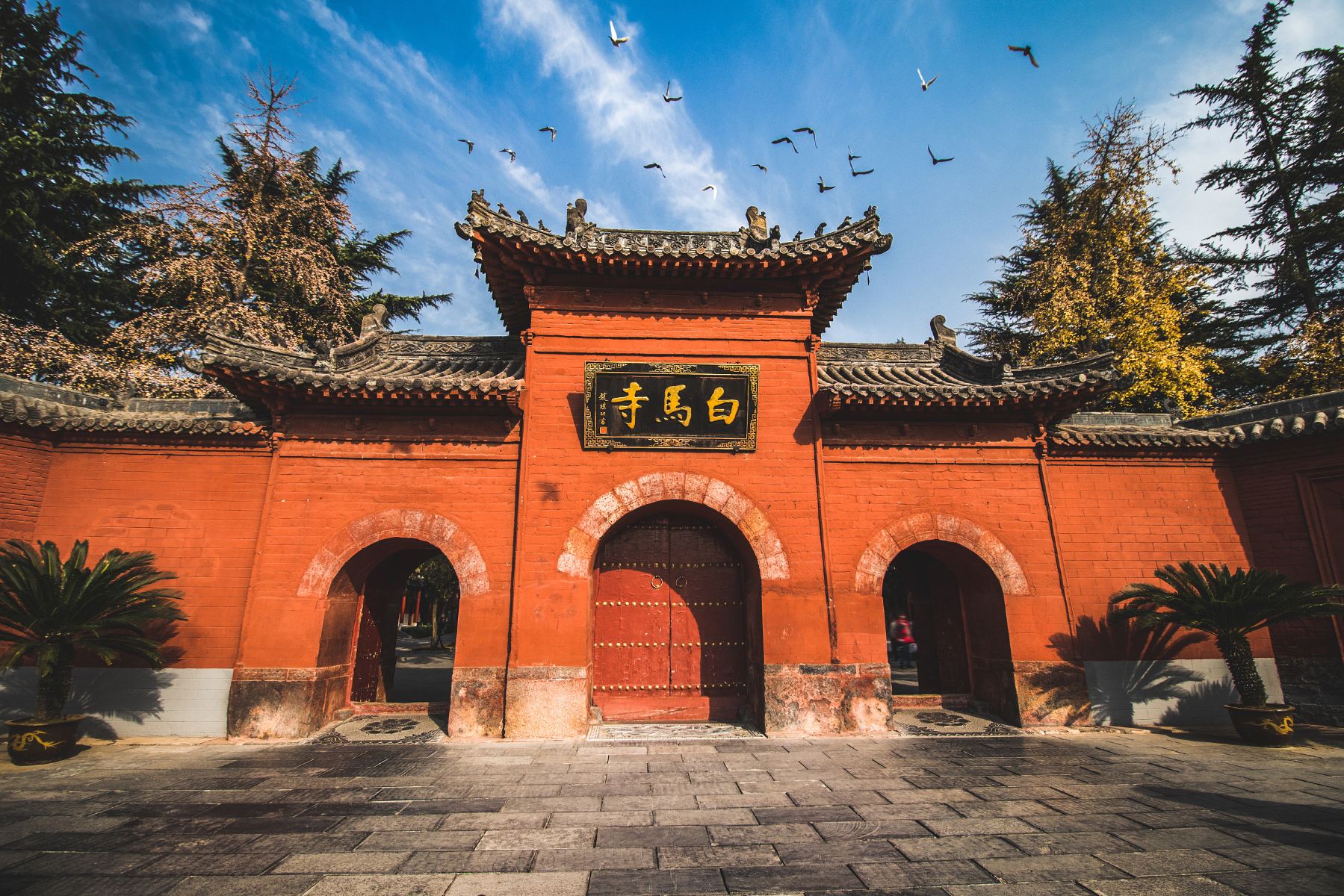
Is White Horse Temple the Oldest Temple in China?
The direct answer requires precision. Is White Horse Temple the oldest temple in China? It depends entirely on the category. If the category is “oldest continuously operating Buddhist monastery with documented founding,” the answer is widely accepted as yes. The historical consensus supports its primacy in Chinese Buddhism. The label “First Ancient Temple” is culturally accurate within this specific Buddhist context. If the category is “oldest surviving physical temple structure,” the answer is no. That distinction belongs to other sites, particularly the Tang Dynasty halls on Mount Wutai. If the category expands to “oldest ritual site of any kind,” then Neolithic archaeological sites are the definitive winners. The temple’s primacy is a matter of defined lineage, not absolute material age.
Verification Methods for Researchers
For those studying ancient temples in China, relying on a single source leads to error. We recommend a triangulation approach. First, consult the official UNESCO World Heritage nomination dossiers. These documents contain rigorous comparative analyses and condition surveys. Second, cross-reference monastic genealogies with dynastic histories. A temple’s internal record might claim a Han Dynasty founding, but a Song Dynasty gazetteer might be the first external source to mention it. Third, examine architectural bracket systems (dougong). The proportional ratios and construction techniques of the brackets can date a timber frame within a specific century, regardless of what a plaque says.
Carbon dating of foundation soils and mortar samples provides another layer of certainty. When restoration occurs, original material is often encapsulated within later brickwork. This creates a stratigraphic record. A careful reading of the White Horse Temple excavation reports reveals the depth at which Han Dynasty cultural layers appear. This archaeological data is the ultimate arbiter when textual sources conflict. The physical ground truth does not bend to tradition.
Why the Distinction Matters
This is not a pedantic argument among academics. Understanding the basis of the claim transforms a visit from a simple photo opportunity into an engagement with living history. When you stand in front of the Qing Dynasty gate of the White Horse Temple, you are not looking at a 2,000-year-old door. You are standing on a threshold where the concept of Chinese Buddhism was born. The stone stele recording the founding is a tangible link to the narrative, even if the wood around it is comparatively new. Recognizing this layered authenticity—the idea versus the material—provides a richer, more honest experience of cultural heritage. It allows us to honor both the archaeological truth of Mount Wutai’s ancient timber and the spiritual lineage of Luoyang’s sacred ground.
Frequently Asked Questions
What is the oldest temple in China by continuous use?
By continuous religious use, the White Horse Temple in Luoyang holds the strongest claim. Founded in 68 CE, it has functioned as a Buddhist monastery with only brief interruptions during periods of severe dynastic turmoil. The lineage of practice is unbroken.
How is China’s oldest temple determined by archaeologists?
Archaeologists determine age through stratigraphic excavation. They look for the deepest cultural layer containing ritual artifacts, foundation trenches, and roof tile fragments. Typological dating of pottery and analysis of mortar composition provide relative and absolute chronologies that confirm or challenge textual records.
Is White Horse Temple the oldest temple in China if the buildings are new?
Yes, under the definition of institutional primacy. The current buildings are restorations, but the site and the religious institution date to 68 CE. It is the oldest Buddhist temple institution in China, though not the oldest collection of original building materials.
Do any pre-Buddhist temples survive in China?
Structural remains of pre-Buddhist ritual sites survive archaeologically. The Niuheliang Goddess Temple is a notable example. However, no standing timber structures from the pre-Buddhist era remain. The concept of a free-standing, organized temple building is largely introduced and popularized with Buddhism.
What evidence supports the White Horse Temple’s founding date?
Evidence includes passages in the Book of Later Han and the Memories of Eminent Monks. Additionally, archaeological probes within the temple grounds have confirmed the presence of rammed earth platforms and ceramic shards consistent with Eastern Han Dynasty construction, providing material support for the textual narrative.
