 By
By How to Plan an Efficient 2-Day Itinerary for Luo Yang Beyond the Temples
Many travelers arrive in Luoyang with a single goal: to see the magnificent Longmen Grottoes. While this UNESCO World Heritage site is an undeniable highlight, a visit focused solely on the main attractions misses the city’s deeper character. The real challenge is structuring a short trip that balances world-famous heritage with authentic local experiences in food, history, and culture. A poorly planned itinerary often results in rushed visits and long transit times, leaving you with a checklist of sights but no real feel for the city.
This guide provides a practical, time-sequenced plan for a two-day visit to Luo Yang. It’s designed for the independent traveler who wants to see the essential landmarks while also discovering the vibrant life of the city’s old districts and museums. We’ll cover not just what to see, but how to see it efficiently, avoiding common logistical mistakes that can derail a short trip.
The Balanced Itinerary: Pairing Major Sites with Local Culture
An effective itinerary is about more than just a list of places; it’s about flow, logistics, and contrast. This plan pairs a major morning attraction with a complementary afternoon and evening experience, minimizing travel time and maximizing cultural immersion. It assumes you are staying in a relatively central location within the city.
Day 1: Grand Dynasties and Old Town Charm
The first day focuses on the grand scale of Chinese Buddhism followed by the intimate, human scale of a reconstructed old city, offering a journey from imperial grandeur to marketplace energy.
- Morning (8:00 AM – 1:00 PM): Longmen Grottoes (龙门石窟)
- What It Is: An immense collection of Chinese Buddhist art carved into limestone cliffs. The sheer scale and artistry, dating back to the Northern Wei and Tang dynasties, are breathtaking.
- Execution Plan: Arrive as early as possible (by 8:00 AM) to avoid the largest crowds and the midday sun. Plan for at least 3-4 hours. Start on the West Hill, which contains the most famous grottoes, including the Fengxian Temple with its colossal Vairocana Buddha. Cross the bridge to the East Hill for a panoramic view back at the main site.
- Common Failure Point: Underestimating the walking required. The site is vast. Wear comfortable shoes and bring water. Trying to rush through it in under two hours is a frequent mistake that leads to missing key sections.
- Afternoon (2:30 PM – 5:00 PM): Luoyang Museum (洛阳博物馆)
- What It Is: A modern museum housing artifacts excavated from the Luo Yang region, which served as the capital for numerous dynasties. It provides critical historical context for the sites you are visiting.
- Execution Plan: After lunch near the grottoes or back in the city, take a taxi or Didi to the museum. Focus on the galleries covering the Tang dynasty to connect with the history of the Longmen Grottoes. The collection of tri-colored glazed pottery is a particular highlight.
- Common Failure Point: Museum fatigue. Don’t try to see every exhibit. Prioritize the sections most relevant to your interests to ensure a high-quality visit.
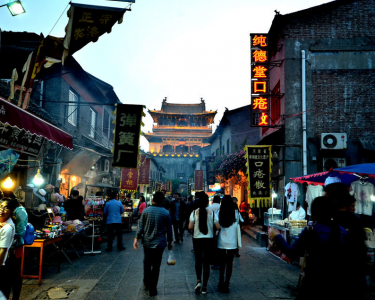
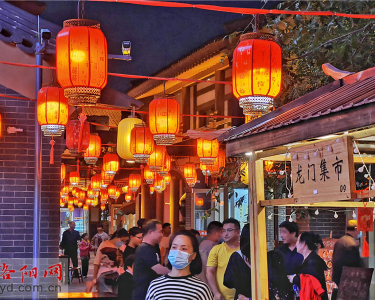
- Evening (6:00 PM onwards): Luoyi Old Town (洛邑古城)
- What It Is: A beautifully reconstructed area reflecting the architecture of the Tang dynasty. While a modern construction, it’s a vibrant hub of shops, snack vendors, and cultural performances.
- Execution Plan: This is the perfect place for dinner and an evening stroll. Wander through the lantern-lit alleys, sample local street food, and observe traditional life. It offers a starkly different, more relaxed atmosphere than the monumental sites.
- Common Failure Point: Mistaking it for a purely historical site. Appreciate it for what it is: a lively cultural district and a fantastic place for photography and experiencing modern Chinese social life in a traditional setting.
Day 2: Cradle of Buddhism and Culinary Exploration
The second day delves into the origins of Buddhism in China and concludes with an immersion into the city’s famous “Water Banquet” cuisine and bustling night markets.
- Morning (9:00 AM – 12:00 PM): White Horse Temple (白马寺)
- What It Is: Widely regarded as the first Buddhist temple in China. Beyond the original Chinese-style halls, the complex now includes stunning, authentic replicas of Thai, Burmese, and Indian temples, making it a unique international Buddhist showcase.
- Execution Plan: The temple is located east of the city, so allocate around 30-40 minutes for travel. Spend time not just in the main temple but also exploring the international section, which is often less crowded.
- Common Failure Point: Skipping the international section. Many visitors see the main Chinese temple and leave, missing the most unique aspect of the site.
- Afternoon (1:30 PM – 5:00 PM): Guanlin Temple (关林庙) or Free Exploration
- What It Is: A temple complex built to honor Guan Yu, a revered general from the Three Kingdoms period. It’s a fine example of traditional Chinese temple architecture.
- Execution Plan: As an alternative, if you prefer a less structured afternoon, use this time to explore the area around Lijing Gate (丽景门), the best-preserved section of the old city wall, which offers great views and leads into more authentic old streets than Luoyi.
- Common Failure Point: Trying to fit in too much. Choose one of these options, not both, to avoid feeling rushed before your evening plans.
- Evening (6:30 PM onwards): Old Town Food Street (老城十字街夜市)
- What It Is: The culinary heart of Luo Yang. This is where you can try the famous Luoyang Water Banquet (水席) in a more casual setting or sample dozens of other local specialties.
- Execution Plan: Arrive hungry and be adventurous. This is the best place to experience the city’s food culture. Look for stalls with long lines of locals—a reliable indicator of quality. Don’t miss trying the various grilled items, flatbreads, and noodle soups.
- Common Failure Point: Eating at the first place you see. Walk the entire length of the street first to see all the options before making your choices.
Logistical Planning and Common Missteps to Avoid
A successful trip to Luo Yang hinges on solid logistics. The city is geographically spread out, and its major attractions are not clustered together. Overlooking transportation and timing can lead to wasted hours and missed opportunities. Here is a breakdown of common mistakes and how to prevent them.

| Common Mistake | Reasoning & Impact | Recommended Solution |
|---|---|---|
| Underestimating Travel Time | The Longmen Grottoes, White Horse Temple, and the main railway station are all in different corners of the area. Relying on public buses can consume significant time. This leads to rushed site visits or having to cut an attraction from your itinerary. | Use ride-hailing apps like Didi Chuxing (the Chinese equivalent of Uber). They are affordable, efficient, and eliminate the guesswork of bus routes. For a 2-day trip, the time saved is well worth the minimal extra cost. |
| Ignoring the Chinese Holiday Calendar | Visiting during a national holiday (like Golden Week in October or the May Day holiday) means facing overwhelming crowds and inflated hotel prices. Major sites can become almost impossible to enjoy. | Check the official Chinese public holiday schedule before booking flights and hotels. Aim for a mid-week visit outside of these peak periods for a much more pleasant experience. |
| Not Booking Train Tickets in Advance | Luo Yang is a major hub on the high-speed rail network. Tickets, especially for popular routes to/from Xi’an or Beijing, sell out days or even weeks in advance, particularly around weekends and holidays. | Book your high-speed train tickets as soon as your travel dates are confirmed. Use apps like Trip.com or the official China Railway app (which requires a Chinese bank account) to secure your seats. |
| Payment and Connectivity Issues | Mobile payments (Alipay/WeChat Pay) are dominant in China. Many smaller vendors, and even some ticket counters, may not readily accept cash or foreign credit cards. Lack of internet access makes navigation difficult. | Set up Alipay or WeChat Pay and link a foreign credit card before your trip. Alternatively, carry enough cash in small denominations. Purchase a local SIM card or an eSIM, and ensure you have a reliable VPN service installed on your phone to access Google Maps and other essential apps. |
A Pre-Travel Checklist for Your Trip
Before you depart, run through this final checklist. It covers the practical details that ensure your focus remains on enjoying the history and culture of Luo Yang, not solving logistical problems on the ground.
- Documents & Bookings:
- [ ] Passport and visa are valid.
- [ ] High-speed train or flight tickets are booked and confirmed.
- [ ] Hotel accommodation is booked, with the address saved in both English and Chinese characters.
- [ ] Advance tickets for major sites (if required) have been purchased online.
- Money & Payments:
- [ ] Alipay Tour Pass or WeChat Pay is set up on your phone.
- [ ] A small amount of Chinese Yuan (CNY) cash is on hand for emergencies.
- [ ] Your bank has been notified of your travel dates to prevent card freezes.
- Apps & Connectivity:
- [ ] A reliable VPN service is installed and tested.
- [ ] Ride-hailing app (Didi) is installed.
- [ ] Offline maps of Luo Yang are downloaded (e.g., via Google Maps or Maps.me).
- [ ] A translation app (like Google Translate with offline language packs) is ready.
- Packing Essentials:
- [ ] Comfortable, sturdy walking shoes.
- [ ] Portable power bank for charging your phone on the go.
- [ ] Any necessary medications.
- [ ] A printout of key addresses (hotel, train station) in Chinese as a backup.
This structured approach transforms a potentially stressful visit into an efficient and deeply rewarding cultural experience. By combining marquee attractions with the city’s living culture, you can truly appreciate the historical depth and modern vitality of Luo Yang.
Planning a successful visit to a historic city requires expertise and attention to detail, much like navigating a complex global supply chain. If you apply the same rigor to your professional sourcing, contact our team for a technical consultation.