
 By
By Luoyang Got Its Name From the Luo River’s North Bank, Not the South
If you’ve searched for how a city gets a name like “Luoyang” and found the explanation confusing, you’re not alone. The short answer: Luoyang, written as Luo Yang in its two original characters, sits on the northern bank of the Luo River, and in classical Chinese geography, the northern bank of a west-to-east flowing river was called “yang.” That single naming rule — applied consistently for over two thousand years — explains the entire city name. Before diving into the history, temples, or grottoes that draw most first-time researchers to Luoyang, it helps to understand this naming logic first, because it recurs across dozens of Chinese cities and will save you from misreading maps and historical texts later.
A Geographic Naming Breakdown: River Flow, Yang, and How Luoyang Got Its Name
Traditional Chinese place-naming followed a consistent directional rule tied to yin and yang cosmology, where “yang” represented the sun-facing, brighter side, and “yin” represented the shaded side. For rivers running roughly east-west, the rule worked like this:
| Geographic Feature | “Yang” Side (Sun-Facing) | “Yin” Side (Shaded) |
|---|---|---|
| River (flowing east-west) | North bank | South bank |
| Mountain | South slope | North slope |
| Result for Luoyang | City built on north bank = “Luo Yang” | A city on the south bank would instead carry “Luo Yin” in classical naming logic |
The Luo River flows generally west to east through the Henan basin before joining the Yellow River. Because the ancient settlement was founded on its northern shore, and because the north bank of an east-west river receives the most direct sunlight, the location was classified as “yang” relative to the river. Combine “Luo” (the river’s name) with “yang” (its directional classification), and you get Luoyang. This is not folklore — it’s a naming convention documented across Chinese historical geography, and it appears in the names of many other cities, such as Luoyang’s near-neighbor Shanyang or the well-known Nanyang. Understanding this pattern is the single most useful shortcut for a first-time researcher trying to decode Chinese city names without a language background.
Why the River’s Direction Matters More Than People Expect
A common assumption is that “yang” in a place name always refers to a mountain, since mountains are the more commonly cited yin-yang landmark in general knowledge. That assumption breaks down quickly with river cities. The rule flips depending on the feature:
- Mountains: the south-facing slope gets more sun, so the south side is “yang.”
- Rivers running east-west: the north bank gets more sun exposure across the day, so the north bank is “yang.”
- Rivers running north-south: the convention becomes less consistent and is typically decided by local sun angle and historical settlement patterns rather than a fixed rule.
Luoyang falls squarely into the second category. This is why researchers sometimes get confused when they first study the region and assume the city sits south of the Luo River — it doesn’t. The naming logic is directionally precise, not a vague cultural reference. If you’re cross-referencing old maps or gazetteers, this rule will consistently tell you which bank a “yang” city occupied, and it applies whether you’re reading about Luoyang, Xiangyang, or Shenyang.
Common Mistakes First-Time Researchers Make With the Name Luoyang
Before moving into the city’s history or landmarks, it’s worth clearing up a few recurring errors that show up in casual research and even some travel content:
- Mistake 1 — Assuming “Luo” and “Luoyang” refer to the same geographic feature. “Luo” names the river; “yang” names the bank position. They are two separate pieces of information fused into one city name.
- Mistake 2 — Applying the mountain rule to a river city. As shown above, the sun-facing side flips depending on whether the feature is a mountain or an east-west river.
- Mistake 3 — Treating the name as purely symbolic. The yin-yang framework here is directional and geographic, not just philosophical decoration. It reflects an actual, verifiable riverbank location.
- Mistake 4 — Confusing Luoyang with cities on the Luo River’s south bank. If a historical text refers to a “Luo Yin” settlement, that is a distinct location on the opposite bank, not an alternate name for Luoyang.
Frequently Asked Questions About How Luoyang Got Its Name
Does “yang” always mean the city is on a riverbank?
No. “Yang” is a directional classifier that can apply to riverbanks or mountain slopes, and the meaning changes depending on which feature is being described. For Luoyang specifically, it refers to the river’s north bank. This distinction matters if you’re comparing city names across different regions of China, since the same syllable carries different geographic meaning depending on context.
Is the Luo River the only river connected to this naming pattern?
No — the same yin-yang directional logic was applied to many rivers historically, which is why several Chinese cities carry “yang” or “yin” in their names tied to different rivers. Luoyang is simply one of the more historically prominent examples, given its long record as a former capital region.
Has Luoyang always been located exactly on the river’s north bank?
The core naming logic reflects the location at the time the name was established. Like many ancient cities, the urban footprint expanded over centuries, and modern Luoyang’s built-up area now extends beyond the strict boundary implied by the original naming convention. So while the etymology is precise, don’t expect today’s city map to match the ancient riverbank line exactly.
Where does this naming information stop being reliable for further research?
This explanation covers the etymology and geographic logic only. It does not tell you about the city’s dynastic history, its archaeological sites, or its role in Chinese cultural heritage — those require separate research using historical and archaeological sources rather than naming conventions alone. Treat the yin-yang directional rule as a starting reference point, not a complete historical account.
A Quick Verification Checklist for Researchers Before Citing the Name Origin
If you’re writing about Luoyang for a report, article, or business briefing and want to state the name origin accurately, run through this short checklist:
- Confirm you’re describing river-bank “yang,” not mountain-slope “yang” — the sun-facing side is different for each.
- State that “Luo” refers to the river name and “yang” refers to the directional position, rather than treating “Luoyang” as one indivisible word with no internal meaning.
- Avoid claiming the naming rule applies uniformly to all Chinese rivers — north-south flowing rivers don’t follow the same fixed convention.
- Note that the name reflects the historical founding location, not necessarily the center of the modern urban area.
This checklist is especially useful if your research feeds into trade materials, regional guides, or cultural briefings where accuracy on naming conventions reflects directly on your credibility with a Chinese-speaking audience or business partner.
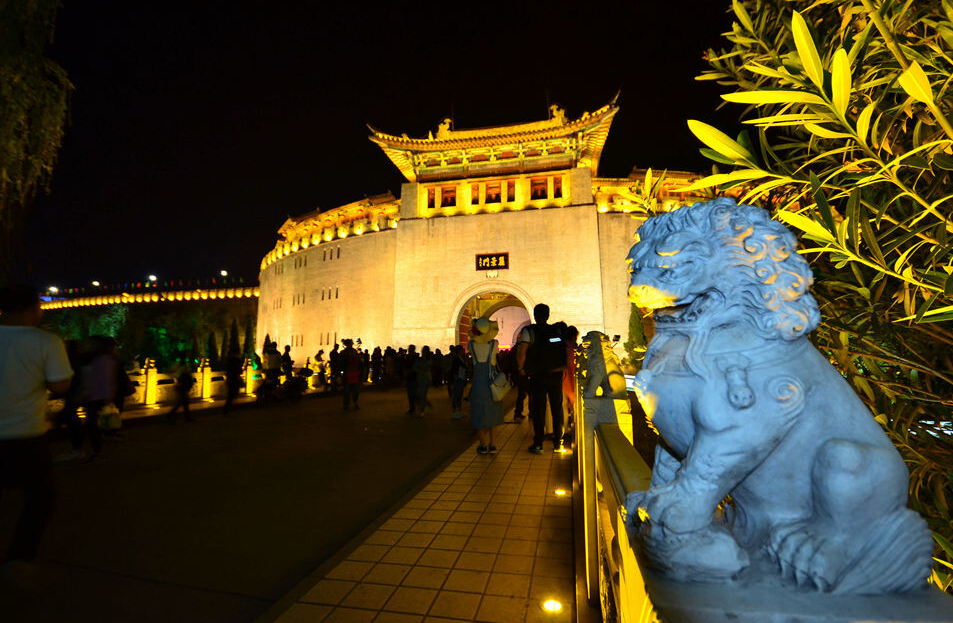
Understanding why Luoyang carries this name is a small but useful foundation before researching the city’s broader history, landmarks, or business environment. If your work involves preparing regional briefings, translated materials, or reference documents that reference Luoyang’s geography and naming background, feel free to reach out for a review of your draft content or to request supporting reference material.