By
By A Split-Day Route Helps Travelers Avoid Luoyang’s Worst Crowd Hours
How do you see Luoyang’s biggest heritage sites without spending half your trip standing in line? That’s the question most travelers ask once they’ve locked in Luoyang as a destination but haven’t yet mapped out timing. The answer isn’t about visiting fewer places — it’s about sequencing your day differently. Luoyang draws large domestic and international visitor volumes at its top sites, especially during spring peony season and national holidays, and the crowding pattern is predictable enough that a split-day structure can neutralize most of it.
This guide breaks down exactly why the crowding happens, how to diagnose which symptom you’re dealing with, and how to build a route that separates queue-prone attractions from flexible ones across the same day.
Why Luoyang’s Heritage Sites Get Overcrowded by Mid-Morning
Before fixing a crowding problem, you need to identify its cause — because the fix differs depending on what’s actually driving the bottleneck. Use this diagnostic order when planning:
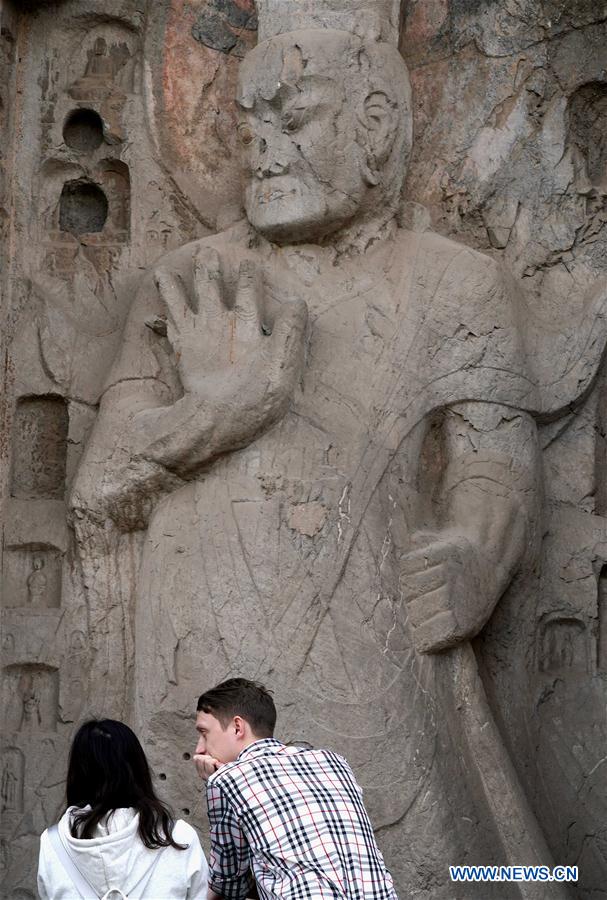
- Check the site type first. Outdoor stone carving sites like the Longmen Grottoes have narrow walkways along cliff faces. Crowding here is a physical bottleneck problem, not a ticketing problem — once foot traffic backs up on a single-file path, delays cascade for hours. This symptom points to arrival timing as the fix, not ticket type.
- Check the season next. If you’re visiting during peony bloom weeks or a national holiday week, crowding is demand-driven, not layout-driven. This symptom points to date flexibility or route rebalancing as the fix — arriving early alone may not be enough.
- Check the ticketing structure last. Some Luoyang attractions issue timed entry slots for controlled access; others sell open-day tickets with no cap. If a site uses open tickets, expect steady crowd buildup all day rather than one entry-point crush. This symptom points to picking off-peak entry windows rather than off-peak dates.
Once you know which of these three is driving your specific crowding risk, you can decide whether the fix is an earlier wake-up call, a different week, or a different entry slot.
Pairing Early-Morning Heritage Visits With Evening Food Streets Prevents Queue-Heavy Days
The single most effective structural fix for Luoyang crowd avoidance is a split-day route: outdoor heritage sites in the early morning, indoor or low-queue stops at midday, and food streets or night markets in the evening. This works because it matches your schedule to the crowd curve instead of fighting it.
| Time Slot | What to Schedule | Why This Slot Works | Judgment Criteria |
|---|---|---|---|
| Early morning (gates open through mid-morning) | Outdoor heritage sites, e.g. grotto complexes, ancient tomb parks | Tour groups typically arrive later; walkway bottlenecks are lightest before mid-morning | If a site has narrow paths or cliffside viewing, this slot is non-negotiable |
| Midday | Museums, indoor exhibition halls, covered pavilions | Indoor spaces have controlled capacity and rarely spike the way open sites do; also gives relief from midday heat or sun | If the site has climate control and defined entry counters, midday is safe |
| Late afternoon | Temple complexes, gardens, riverside walks | Group tours have usually moved on by this point; light traffic returns | Best for sites with moderate but not extreme peak-season demand |
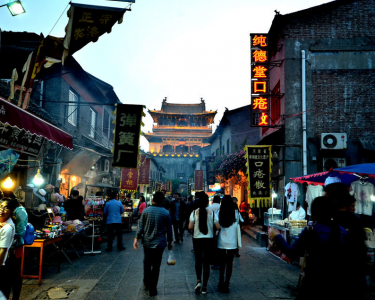
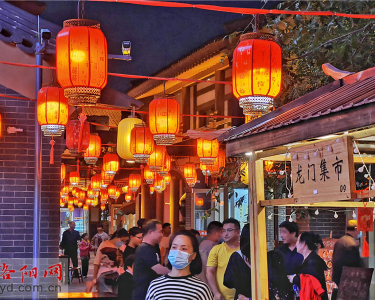
| Evening | Food streets, night markets, lantern-lit old town | Crowds here are a feature, not a bottleneck — wide streets and multiple vendors absorb volume without queue buildup | Ideal closer for any split-day plan since queuing isn’t structurally likely |
This structure matters most when your itinerary includes at least one site with the narrow-walkway or open-ticket symptoms described above. If your Luoyang stops are all low-traffic secondary sites, a strict split-day approach matters less — you have more scheduling flexibility. But for any itinerary anchored around the city’s marquee heritage attractions, this pairing is the difference between a smooth day and a stalled one.
Building a Split-Day Luoyang Itinerary — Step by Step
- List your must-see sites and tag each one as “outdoor/narrow-path,” “indoor/controlled,” or “open-street/market.” This tagging is what drives the whole schedule.
- Assign outdoor/narrow-path sites to your earliest available slot. If you’re staying in central Luoyang, factor in transit time so you arrive as close to opening as realistically possible.
- Slot indoor/controlled sites into the midday gap. This is also when temperature and sun exposure are least comfortable outdoors, so the timing serves two purposes at once.
- Reserve late afternoon for medium-traffic sites — temples, gardens, or walking districts that don’t have single-file bottlenecks.
- Close the day at a food street or night market. These locations are designed for foot traffic and rarely produce the queue frustration you’d get at a ticketed heritage site.
- Repeat the pattern for each day of your stay rather than clustering all heritage sites into one marathon day — spreading the outdoor/narrow-path sites across mornings keeps every day manageable instead of front-loading fatigue and crowd exposure into a single date.
Common Mistakes That Recreate the Crowd Problem
- Scheduling two narrow-path outdoor sites back-to-back in the morning. This defeats the purpose — by the time you reach the second site, tour buses have caught up, and you’ve lost your early-arrival advantage.
- Saving heritage sites for the afternoon “to sleep in.” This is the single most common planning error; afternoon arrival at a major grotto or tomb site during peony season or a holiday week puts you squarely in peak density.
- Treating food streets as a daytime stop. Midday food streets are often half-active with limited vendor turnout; evening is when they’re both livelier and less congested relative to their capacity.
- Ignoring transit buffer time. Arriving at an “early morning” slot fifteen minutes late can put you right behind the first tour group of the day, erasing the benefit entirely.
- Booking all indoor stops for the same day as a rain contingency instead of building them into the normal midday rotation — this leaves no backup plan if weather changes your outdoor-day sequencing.
A Worked Example — Two-Day Split Schedule for Luoyang
Consider a traveler with two full days in Luoyang and three priority sites: one major grotto complex, one museum, and the historic old town food street.
- Day 1, early morning: Grotto complex, arriving as close to opening as possible. This is the site with the narrow cliffside path — it gets the earliest slot by default.
- Day 1, midday: Museum visit, timed to coincide with the hottest and busiest part of the day outside.
- Day 1, evening: Old town food street, which absorbs the evening crowd comfortably and gives the day a relaxed close.
- Day 2: Secondary temple or garden sites in the late morning through afternoon, since these don’t carry the same bottleneck risk, followed by a second, different food street or night market in the evening.
This sequencing means the traveler hits every priority site while only ever facing potential queues during the lowest-traffic window available for that specific site type. It doesn’t apply as cleanly if your trip is only a single day — in that case, the grotto complex still takes priority for the morning slot, but you’ll need to accept some compression of the midday and evening stops rather than spreading them across two days.
Luoyang rewards travelers who plan around its crowd rhythm rather than against it. A split-day route isn’t a rigid formula — it’s a framework for matching site type to time slot, which you can adjust based on season, group size, and how many heritage stops you’re prioritizing.
If you’re finalizing a Luoyang travel plan and want help sequencing sites around your specific dates, reach out to our team for tailored route suggestions before you book.