 By
By How to Build an Efficient Itinerary for Luoyang China
You have a business trip scheduled, and your itinerary includes a stop in Luoyang, China. With only a day or two available for sightseeing, the key challenge isn’t deciding what to see, but how to see it efficiently. Standard travel guides list attractions by popularity, which often leads to backtracking across the city and wasting valuable time in transit. A better approach is to group destinations by geographical proximity and travel time.
This guide provides a practical framework for building a logical itinerary. We will focus on clustering major historical sites into manageable half-day, one-day, and two-day blocks. This allows you to maximize your limited time, turning a brief stopover into a memorable exploration of one of China’s ancient capitals.
Grouping Luoyang’s Attractions by Travel Time Clusters
The most common mistake in planning a short visit to Luoyang is underestimating the distance and travel time between its key attractions. The Longmen Grottoes are south of the city, the White Horse Temple is to the east, and the main urban museums are in the center. Treating them as a simple checklist will result in hours spent on the road. Instead, organize your plan around these logical clusters.
Use the following clusters as building blocks for your itinerary. Each is designed to be a practical, self-contained tour segment.

Travel Cluster Planning Guide
This table outlines potential groupings based on location and the typical time required for a meaningful visit. Transport times are estimates for a private car or taxi outside of peak rush hour.
| Cluster Name | Main Attractions | Estimated Time (Visit + Travel) | Best For |
|---|---|---|---|
| Southern Heritage Core | Longmen Grottoes, Guanlin Temple | 4-5 hours (Half Day) | Visitors prioritizing the most famous UNESCO World Heritage site. These two sites are relatively close to each other. |
| Eastern Origin Point | White Horse Temple | 3-4 hours (Half Day) | Travelers interested in the origins of Buddhism in China. It’s a standalone trip due to its eastern location. |
| Urban History Center | Luoyang Museum, Wangcheng Park | 3-4 hours (Half Day) | Those with only a few hours to spare, staying in the city center, or visiting on a day with poor weather. |
| The Classic Full Day | Morning: Longmen Grottoes Afternoon: White Horse Temple |
8-9 hours (Full Day) | The ambitious traveler determined to see the two most significant sites in a single day. Requires dedicated transport. |
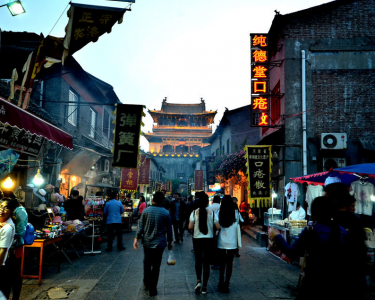
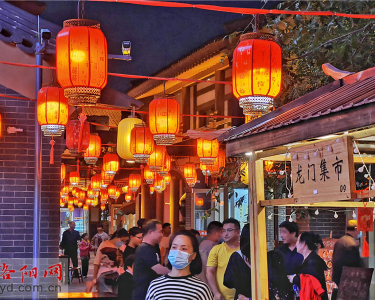
| Immersive Two Days | Day 1: Longmen Grottoes & Guanlin Temple Day 2: White Horse Temple & Luoyang Old Town (Lijingmen) |
Two Full Days | A more relaxed pace that combines major monuments with cultural immersion in the old city quarter. |
How to Use These Clusters
- If you have one full day: Choose “The Classic Full Day” but be prepared for a long day. Hire a driver for the entire day to make the transfer between the Longmen Grottoes and White Horse Temple seamless. Attempting this via public transport is not recommended on a tight schedule.
- If you have two half-days: A much more manageable approach is to combine two half-day clusters. For example, visit the “Southern Heritage Core” on the first afternoon and the “Eastern Origin Point” the next morning. This breaks up the travel and prevents fatigue.
- If you have only a few hours: Stick to the “Urban History Center” cluster. The Luoyang Museum provides an excellent overview of the region’s history, and it is easily accessible from most business hotels.
Logistics and Transportation: A Practical Guide
Efficiently navigating Luoyang, China, is critical for a short trip. While the city has a modern subway system, the main historical sites are spread out, making taxis or a private car the most practical options for business travelers. Understanding the landscape of local transport will save you time and prevent common frustrations.
Common Transportation Mistakes to Avoid
Many first-time visitors encounter the same logistical hurdles. Awareness of these points can make your journey significantly smoother.
- Mistake 1: Underestimating Cross-City Travel Time. The journey from the Longmen Grottoes in the south to the White Horse Temple in the east can take over an hour by car, depending on traffic. Do not assume you can quickly hop between them. Always buffer your schedule with at least 30 extra minutes for transit.
- Mistake 2: Not Having Your Destination in Chinese. Most taxi drivers do not speak English. Have your destinations (hotel, restaurant, attraction) written in Chinese characters, either on your phone or on a hotel card. Showing a map is helpful, but the written name is foolproof.
- Mistake 3: Relying on Ride-Hailing Apps Without Local Setup. Apps like DiDi are excellent but typically require a Chinese mobile number and a linked local payment method (like WeChat Pay or Alipay). If you are not set up for this, flagging a licensed taxi on the street is the most reliable method.
- Mistake 4: Assuming Wi-Fi is Everywhere. While your hotel will have Wi-Fi, public connectivity can be sparse. Download an offline map of Luoyang before you leave your hotel, especially if you plan to explore areas like the Old Town on foot.

Strategic Planning: A Checklist for Your Luoyang Itinerary
Before finalizing your schedule, a few strategic considerations can help you refine your plan. A successful trip isn’t just about seeing things; it’s about seeing them in a way that aligns with your interests and constraints. A well-prepared visitor will have a much better experience than one who arrives without a clear agenda.
Use this checklist to ensure you’ve covered the key decision points before booking your transport or confirming your schedule.
Pre-Trip Decision Checklist
- Define Your Primary Interest: Are you most interested in the monumental Buddhist art of the Tang Dynasty (Longmen Grottoes), the roots of Chinese Buddhism (White Horse Temple), or the artifacts of ancient dynasties (Luoyang Museum)? Prioritizing helps you decide which cluster is non-negotiable.
- Calculate Your True Available Time: Do not count travel time to/from the airport or train station. Calculate your sightseeing time from when you can leave your hotel to when you must depart for your next business meeting. Be realistic. A “full day” might only be six effective hours.
- Assess Your Tolerance for Crowds: The major sites, especially Longmen Grottoes, can be extremely crowded, particularly on weekends and public holidays. If possible, schedule your visit for a weekday to have a more pleasant experience.
- Check Opening and Closing Times: Always verify the latest opening hours online or via your hotel concierge before you set out. Hours can change seasonally, and you don’t want to arrive at a site just as it’s closing.
- Decide on a Transportation Strategy: Based on your itinerary’s complexity, decide your transport mode in advance. For a simple half-day trip to one cluster, taxis are fine. For the “Classic Full Day” involving multiple, distant locations, hiring a car and driver is a worthwhile investment.
- Factor in Physical Stamina: Exploring the Longmen Grottoes involves a significant amount of walking and climbing stairs. If mobility is a concern, you may want to allocate more time or focus on the more accessible ground-level areas. The White Horse Temple and Luoyang Museum are mostly flat and easier to navigate.
By thinking through these points, you can move from a generic list of tourist spots to a personalized, efficient, and enjoyable itinerary tailored to your specific business trip to Luoyang, China.
If your business requires sourcing or operational support in the region, our team can provide the local expertise you need. Contact us for assistance with your logistical requirements.