Why White Horse Temple Luoyang Became Buddhism’s Gateway
Explore the historical mechanics behind White Horse Temple Luoyang. Understand the distinct roles of imperial patronage, scripture translation, and resident monks in early Buddhism.
Read More
Explore the historical mechanics behind White Horse Temple Luoyang. Understand the distinct roles of imperial patronage, scripture translation, and resident monks in early Buddhism.
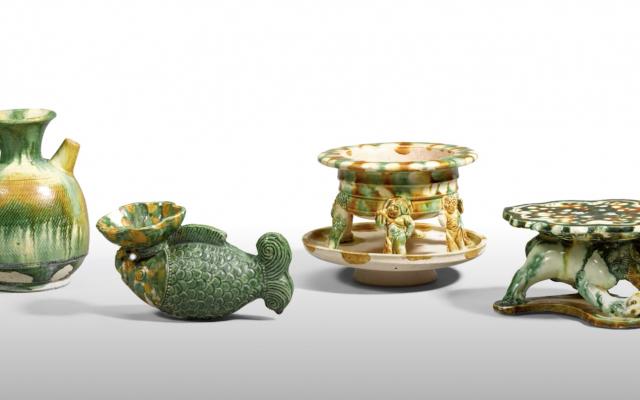
Read MoreLearn to identify key differences between Tang sancai ceramics and three-color glazes from the Liao, Ming, and revival periods, with a comparative guide for B2B buyers.
Read MoreNavigate the critical ambiguity of ‘laoyang’ with our guide on distinguishing Luoyang and Liaoyang for precise B2B export operations.
Read MoreExplore the technical process behind sancai ceramics, focusing on how lead glaze, metal oxides, and kiln firing achieve their distinctive amber, green, cream, and blue hues. Understand the historical chemistry and firing techniques.
Read MoreUnderstand how advanced 3D scanning establishes condition baselines and monitors erosion at Longmen China. Preserve cultural heritage with precise digital documentation.
Read MoreLearn why sancai can display more than three visible hues and use this guide to evaluate samples before buying.
Read MoreLearn how to identify Wei and Tang visual markers at longmen china and plan a more informed cultural visit.
Read MoreLearn how sancai lead glaze, metal colorants, and kiln firing create its distinctive colors. Request selection advice for study or display.
Read MoreLearn why sancai glaze pools, how to diagnose glaze movement, and what to check before approving ceramic production samples.
Read MoreDiscover the history behind the different Hangu Pass locations. Our guide clarifies the Qin, Wei, and Han sites often confused in historical accounts and media.
Read More