A Guide to the White Horse Temple’s International Halls
Explore the distinct architectural styles of the international halls at the White Horse Temple. Compare the Indian, Thai, and Myanmar structures.
Read More
Explore the distinct architectural styles of the international halls at the White Horse Temple. Compare the Indian, Thai, and Myanmar structures.
Read MoreStep-by-step guide to reaching Luoyang White Horse Temple from downtown Luoyang or Longmen Railway Station, with realistic transit-time buffers.
Read MorePlanning a trip to China’s first Buddhist temple? Here’s how to navigate transport, hall sequence, and nearby Luoyang sites at Horse Temple.
Read MoreDiscover why sancai glazed ceramics appeared in Tang tombs, which burial objects received three-color decoration, and how to spot authentic pieces.
Read MoreExplore how Luoyous White Horse Temple blends Chinese, Indian, Thai, and Myanmar-style halls—a heritage traveler’s guide before visiting Luoyang.
Read MoreDiscover why Luoyang’s Horse Temple carries the white-horse name, tracing its roots to Indian monks, sutras, and statues. Request more travel details today.
Read MoreLearn how to tell authentic sancai glazed Tang pottery from painted or later imitation ware using body, glaze pooling, and firing clues.
Read MoreDiscover which physical elements at White Horse Temple China date to the Han dynasty and which are later reconstructions. Plan your heritage visit with clarity.
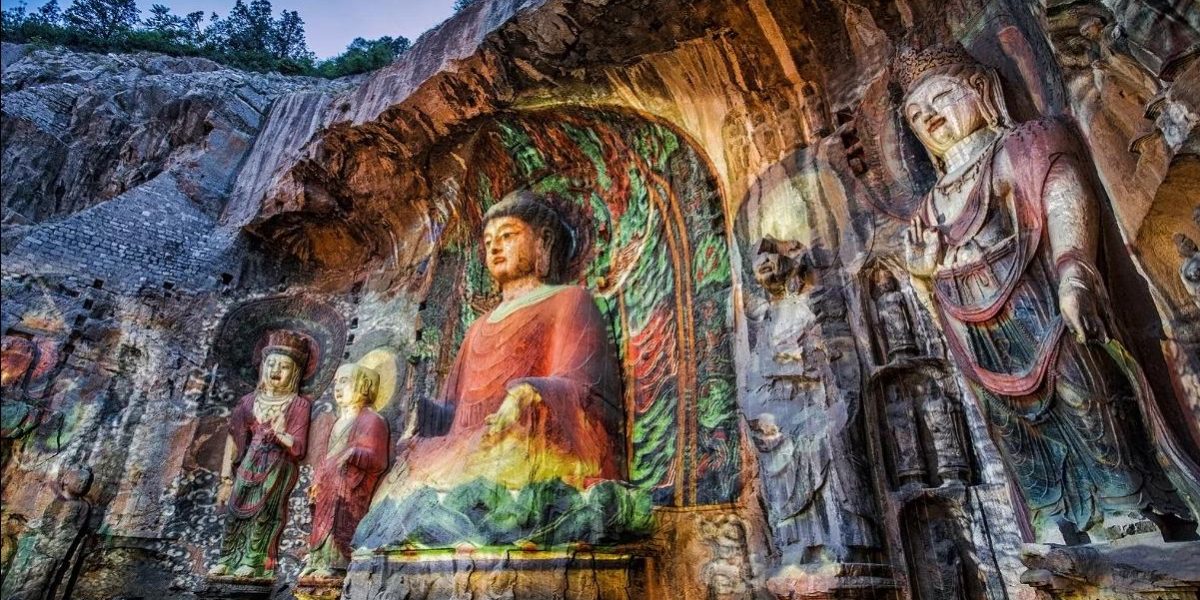
Read MoreLearn to distinguish Northern Wei from Tang dynasty carvings at Longmen Caves China. A practical visual guide to body proportions, robes, and depth.
Read MoreDiscover the architectural and historical significance of the Qiyun Pagodas at White Horse Temple China. Learn how their form differs from the main hall complex.
Read More