
Blog
How china luoyang Rivers and Mountains Shape Climate

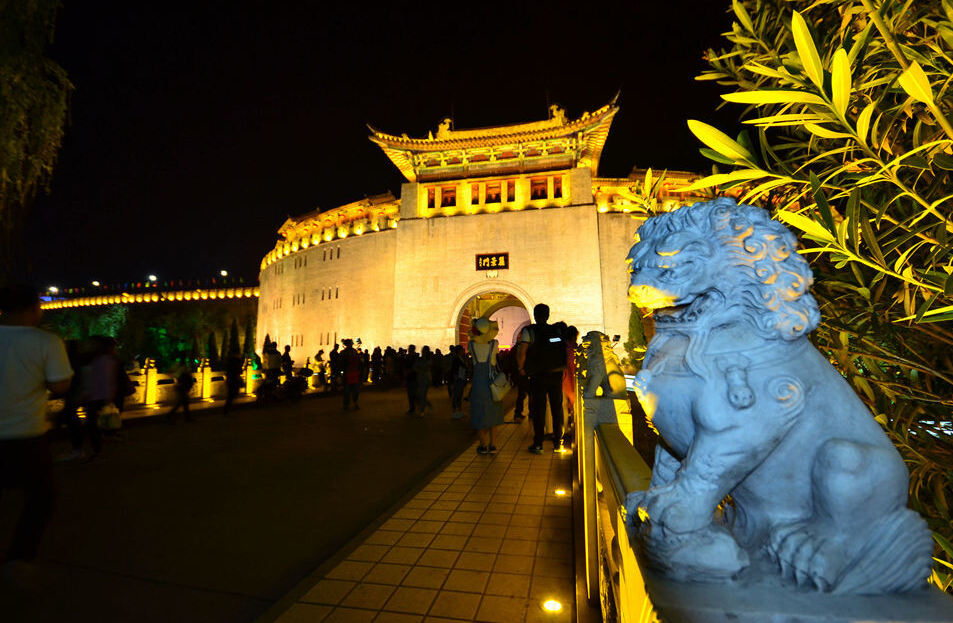
How china luoyang Rivers and Mountains Shape Its Climate
What makes the weather in Luoyang feel different from other inland Chinese destinations? The answer begins with terrain. China luoyang sits within a river-and-mountain landscape where the Luo River basin, nearby uplands, and distinct seasonal changes affect temperature, rainfall patterns, wind exposure, and day-to-day travel comfort.
For first-time visitors, understanding this setting is more useful than simply checking a forecast. A forecast tells you whether rain is likely on a given day. Geography explains why mornings may feel cooler near water, why exposed mountain routes can change quickly, and why the same visit can feel very different across the seasons.
The local pattern is broadly associated with an inland continental climate, meaning that seasonal contrasts matter. China luoyang does not have a uniform climate throughout the year, and visitors should plan clothing, transport, walking routes, and sightseeing priorities around those changes.
How the Luo River basin mountains and four seasons affect travel
The Luo River is not just a visual feature of the city. Its valley helps shape local air movement, humidity, and the practical feel of Luoyang weather. Meanwhile, surrounding mountains influence airflow and create different conditions between lower urban areas and higher scenic routes. The four-season cycle adds another layer: heat, rain, cold, and changing daylight affect how comfortably visitors can move through the region.
| Geographic or seasonal factor | What it affects in practice | Best planning response | When this response may not apply |
|---|---|---|---|
| Luo River basin | River-adjacent areas can feel more humid or cooler than built-up streets, especially when air is calm. | Bring a light outer layer for early and late walks near the river, even if daytime conditions appear mild. | During strong regional wind or very warm conditions, the local river effect may be less noticeable. |
| Surrounding mountains | Higher or more exposed routes may feel cooler, windier, and more changeable than central urban districts. | Use layered clothing and check route conditions before leaving for mountain scenery. | This matters less for a city-only itinerary with limited elevation change. |
| Warm-season rainfall | Rain can affect stone paths, outdoor heritage sites, road travel, and the comfort of long walking days. | Keep indoor museums, covered cultural sites, or flexible activities available as alternatives. | A short shower does not always require cancelling a visit if walking surfaces and transport remain suitable. |
| Cool-season conditions | Cold air and shorter daylight can make outdoor stays less comfortable, particularly near water or open ground. | Schedule major outdoor visits earlier and reserve evenings for indoor dining or cultural activities. | Clear, calm days can still be pleasant for sightseeing with appropriate clothing. |
| Seasonal transition periods | Temperatures may change noticeably between morning, afternoon, and evening. | Choose adaptable clothing rather than relying on a single heavy or light garment. | Visitors staying only indoors or using private transport face less exposure to these shifts. |
The key conclusion is simple: treat China luoyang as a place with location-specific travel conditions rather than a single citywide weather label. This approach fits travelers planning heritage visits, river walks, mountain excursions, or multi-day regional travel. It is less critical for short indoor business visits, although rain and temperature shifts can still affect transfers.
Why the Luo River changes the feel of Luoyang weather
To understand how rivers affect Luoyang weather, think of the Luo River as part of a wider basin rather than an isolated waterway. Water absorbs and releases heat differently from paved streets and dry land. As a result, nearby areas can sometimes feel less abrupt in temperature than exposed built surfaces, while also carrying more moisture in the air.
This does not mean the river creates a separate climate zone across the entire city. That would be an overstatement. Its effect is most relevant when visitors are close to river corridors, parks, bridges, open waterfront paths, or low-lying areas connected to the basin. In those places, wind direction, cloud cover, and the previous day’s rainfall can make the air feel different from denser streets.
- Morning walks: River-adjacent routes may feel cooler or damper before the day warms. Choose closed walking shoes if the route includes paths, landscaped banks, or stone paving.
- Evening activities: The temperature can feel lower after sunset near open water. A light layer is a practical choice for riverfront dining, photography, or walking.
- Rain planning: Rainfall can make riverside surfaces slippery or muddy in less-developed sections. Prefer established paths and avoid assuming every scenic route remains equally accessible.
- Photography: Moisture, haze, and cloud cover can soften distant mountain views. Plan flexible photo windows instead of treating visibility as guaranteed.
- Transport timing: Wet conditions may slow road movement and make transfers less predictable. Leave room in the itinerary rather than scheduling tightly connected stops.
For travelers researching China luoyang, the practical lesson is to separate “rain expected” from “outdoor route suitable.” A light rain may be manageable in a paved central district, but less suitable for a riverbank path or a mountain-side attraction. The right choice depends on terrain, footwear, transport access, and how much time you have available.
How Henan geography and surrounding mountains influence temperature and rain
Henan geography combines broad plains, river valleys, and mountain systems. Luoyang’s position near the transition between lower land and mountain terrain is important because air does not move across these landscapes in the same way. Mountains can redirect winds, create more exposed travel conditions on elevated routes, and influence where clouds gather or disperse.
China luoyang benefits from geographic variety, but that variety requires better trip preparation. A visitor moving from urban cultural areas toward mountain scenery should not assume that the conditions observed at a hotel are identical to conditions at the destination. Elevation, shade, road exposure, and changing cloud cover can alter comfort quickly.
Use terrain to choose the right daily itinerary
- Start with the day’s main exposure: Decide whether the itinerary is mainly urban, riverside, or mountainous. This determines whether wind, rain, uneven ground, or temperature change is the primary concern.
- Check conditions for the destination area: Do not rely only on a general city forecast when traveling outside central districts.
- Place fixed-time activities indoors where possible: Museums, meals, and transport bookings are more reliable anchors when rain or wind could affect outdoor plans.
- Keep one flexible outdoor option: A nearby park, river walk, or open cultural site can be shifted to the clearest part of the day.
- Match footwear to the route: Urban pavement, wet river paths, and mountain steps demand different levels of grip and support.
- Build in return-time flexibility: Mountain roads and wet conditions can make a tightly timed plan less comfortable.
This process is especially useful for visitors whose trip includes both central China luoyang and nearby natural or historical areas. It does not need to be elaborate for travelers remaining in a compact city center, but even then, layering and rain protection remain sensible choices during unsettled weather.
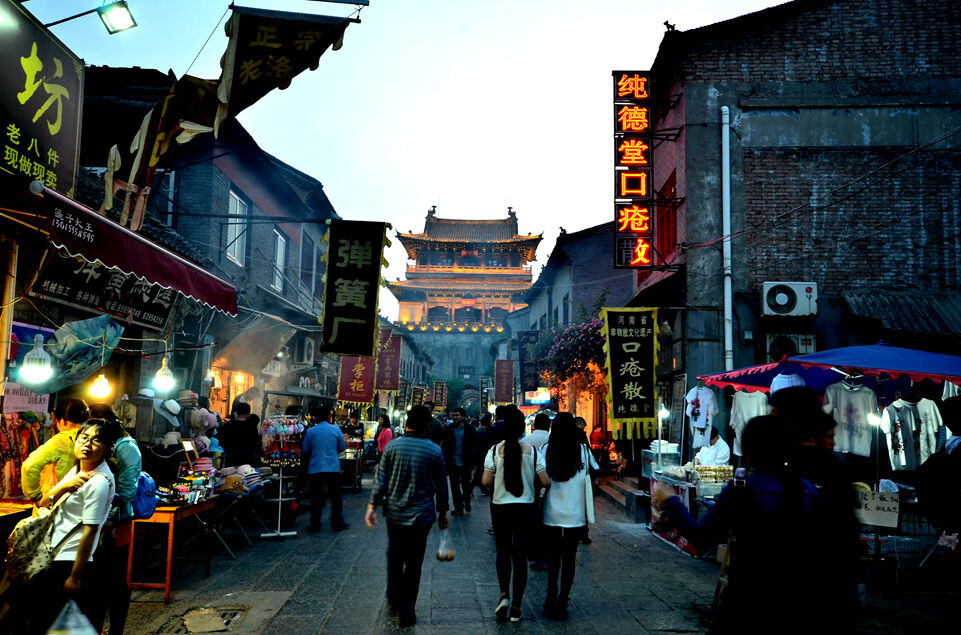
What each season means for sightseeing and travel comfort
The Luoyang climate follows a recognizable seasonal rhythm. Rather than asking only whether a season is “good” or “bad,” visitors should match the season to their planned activities. Outdoor heritage exploration, mountain travel, river scenery, photography, and indoor cultural visits each respond differently to heat, rain, wind, and cold.
| Seasonal period | Typical travel advantage | Main planning risk | Most suitable itinerary style |
|---|---|---|---|
| Spring | Milder conditions can make long walks and gardens more appealing. | Variable temperatures and occasional wet weather can make a single outfit unsuitable all day. | Heritage sites, parks, riverside walks, and flexible outdoor schedules. |
| Summer | Longer daylight supports full sightseeing days. | Heat, humidity, and rainfall may reduce comfort on exposed routes. | Early outdoor visits, midday indoor activities, and shorter afternoon walks. |
| Autumn | Often comfortable for walking, scenic views, and mixed indoor-outdoor travel. | Cooler mornings and evenings can surprise visitors dressed only for daytime conditions. | Mountain scenery, cultural districts, river walks, and photography-focused trips. |
| Winter | Quieter outdoor sites and clearer days may suit visitors who prefer a less crowded feel. | Cold conditions can limit the appeal of long riverfront or mountain stays. | Museums, historic interiors, shorter outdoor visits, and well-timed city sightseeing. |
When is the best weather in Luoyang? For many visitors, the more comfortable transition seasons are the strongest choice because they can support walking without the same heat pressure or winter cold. However, this is not universal. Summer may suit travelers who prioritize longer daylight and accept rain planning. Winter can work well for visitors focused on indoor culture and shorter outdoor excursions. China luoyang should be chosen according to itinerary style, not a blanket seasonal ranking.
Common planning mistakes when researching China luoyang weather
- Using a city forecast for a mountain itinerary: This can lead to inadequate clothing or unrealistic travel timing. Use destination-specific conditions when elevation or terrain changes.
- Assuming the Luo River guarantees cooler comfort: Water can influence local feel, but humidity, wind, and sun exposure still matter. Bring layers rather than relying on one assumption.
- Planning every attraction outdoors: Rain can make a full outdoor schedule tiring or impractical. Keep at least one indoor cultural alternative available.
- Ignoring morning and evening conditions: The daytime maximum does not describe the full travel day. Consider departures, sunset walks, and return transport.
- Choosing footwear only for appearance: Wet paving, river paths, and mountain steps require stable shoes. Fashion-first footwear fits only short, dry, urban outings.
- Scheduling mountain travel without buffer time: Weather changes and road conditions can affect pace. This is particularly relevant when connecting an excursion to fixed transport or reservations.
The best preparation for China luoyang is not complicated. Identify where you will be each day, understand whether the route follows the Luo River, open urban spaces, or higher ground, and keep your schedule flexible enough to respond to changing conditions.
Frequently asked questions about Luoyang climate
What is the climate like in Luoyang China?
The Luoyang climate has clear seasonal variation shaped by inland conditions, the Luo River basin, and nearby mountains. Visitors can encounter warm periods, rainy spells, cooler transitions, and cold-season weather. The practical result is that clothing and itinerary planning should change with the season rather than remain fixed throughout the year.
How do rivers affect Luoyang weather?
The Luo River can influence how nearby areas feel by adding moisture to the local air and moderating conditions close to water. Its effects are most noticeable around river corridors and open banks, not necessarily throughout all parts of China luoyang. Wind, sunlight, rainfall, and urban density can strengthen or reduce that local effect.
When is the best weather in Luoyang?
The best weather depends on your travel goal. Visitors who want long walks and balanced outdoor conditions often prefer spring or autumn. Those who accept heat and rain may find summer workable with earlier starts and indoor breaks. Winter is better suited to shorter outdoor visits and culture-focused itineraries.
Need help matching your itinerary to China luoyang seasonal conditions? Submit your travel requirements for practical planning advice.
===
About LyWOW Tours
LyWOW is a locally based travel agency in Luoyang, specializing in private tours for international travelers across Luoyang, Shaolin, Xi’an and Central China. English-speaking guides, flexible itineraries and door-to-door service.
Learn more about us or browse all our tours.