By
By How Luoyang, China, Became a Pivotal Silk Road Hub
Understanding the historical bedrock of global trade networks often requires a deep dive into specific locations that served as critical junctions. For centuries, one city stood as a testament to this intricate connectivity: Luoyang, China. This ancient capital, nestled in the heart of Henan province, was not merely a significant political center; it was a dynamic nexus where geography, imperial ambition, and cultural exchange converged to forge a vital link in the extensive Silk Road trade routes. But how exactly did these diverse elements coalesce to shape Luoyang’s indelible mark on ancient commerce?
The Strategic Geography of Luoyang’s Ancient Trade Nexus
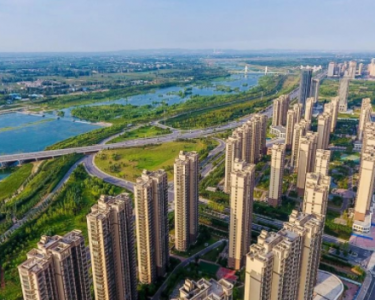
Luoyang’s geographical placement was far from accidental; it was a deliberate choice that leveraged natural advantages for both defense and commerce. Situated at the confluence of the Luo and Yellow Rivers, the city benefited immensely from established river corridors. These waterways were the primary arteries for bulk transport long before extensive road networks existed, offering a practical solution for moving goods across vast distances. The ability to transport heavy commodities like grain, timber, and building materials by water significantly reduced costs and increased efficiency compared to overland routes.
The practical impact of these river systems on trade logistics was profound. Imagine the challenge of moving tons of raw materials or finished products across rugged terrain using only animal power. River transport provided a smoother, faster, and more economical alternative. This meant that goods originating from upstream regions could easily reach Luoyang, and from there, be distributed further or connected to overland Silk Road routes stretching westward. Neglecting the role of these waterways would lead to a skewed understanding of ancient logistics, overemphasizing arduous caravan journeys while overlooking the often more efficient waterborne segments.
Here are specific ways river corridors influenced Luoyang’s trade dynamics:
- Efficient Bulk Transport: Rivers allowed for the movement of large quantities of goods, such as agricultural products, pottery, and raw minerals, which were impractical to move by land.
- Resource Access: The rivers provided access to diverse resources from different regions, enriching Luoyang’s markets and supporting its industries.
- Interregional Connectivity: They linked Luoyang to other major population centers and production zones within China, forming a crucial domestic trade network that fed into the international Silk Road.
- Reduced Overland Burden: By handling the initial stages of transport, rivers eased the pressure on overland caravans, allowing them to focus on specialized, high-value goods over longer distances.
- Urban Development: The convenience of river transport influenced the city’s growth, drawing merchants and artisans who relied on these arteries for their livelihoods.
Imperial Power and Cultural Exchange: Luoyang’s Role as a Capital City
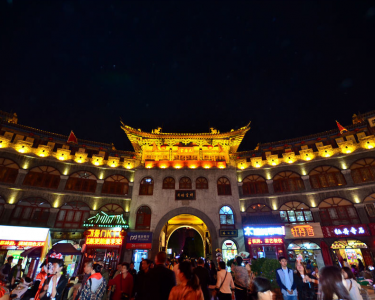
Luoyang’s status as an imperial capital for numerous dynasties was perhaps the single most potent factor in its rise as a Silk Road hub. The presence of the emperor, the court, and a vast administrative apparatus created an insatiable demand for luxury goods, exotic items, and skilled artisans. This magnet effect drew merchants from across the known world, eager to supply the imperial household and the burgeoning elite class. The capital was not just a political center; it was a grand marketplace, a display of wealth, and a nexus of cultural exchange.
The intricate relationship between river corridors, imperial capitals, and Buddhist exchange networks fundamentally shaped how Luoyang, China, became a cornerstone of the Silk Road. Misunderstanding any of these elements means missing the practical mechanics of ancient global trade. For instance, assuming trade was purely an economic endeavor, without acknowledging the cultural and political drivers, is a common pitfall.
Here’s a breakdown of how these three factors converged to elevate Luoyang’s Silk Road connection:
| Key Factor | Practical Effect on Luoyang’s Silk Road Role | Consequence if Misunderstood |
|---|---|---|
| River Corridors | Enabled efficient, large-scale transport of staple goods and raw materials, connecting Luoyang to internal markets and coastal routes. This reduced the cost of goods and supported a larger population. | Underestimates the multi-modal nature of ancient logistics, overemphasizing slow, expensive overland routes. Leads to an incomplete picture of supply chains. |
| Imperial Capitals | Created immense demand for luxury items (silk, spices, precious metals), attracting international merchants and diplomatic missions. The court’s patronage also funded infrastructure and security for trade. | Fails to recognize the “pull” factor of powerful empires in shaping trade routes. Overlooks how political stability and wealth accumulation directly fueled international commerce. |
| Buddhist Exchange Networks | Facilitated the movement of monks, scholars, and ideas alongside goods. Temples often served as waystations, financial centers, and cultural bridges for merchants, fostering trust and networks across diverse regions. | Ignores crucial non-economic drivers of trade. Overlooks how shared cultural or religious beliefs created safe passage, common ground, and established networks that underpinned economic exchange. |
The flow of diplomatic envoys and the reciprocal exchange of gifts further solidified trade relationships. These missions, often carrying valuable goods, effectively acted as government-sponsored trade expeditions, opening and securing routes. The imperial court’s influence extended to regulating markets, standardizing weights and measures, and providing security along trade paths, making Luoyang a reliable and attractive destination for merchants.
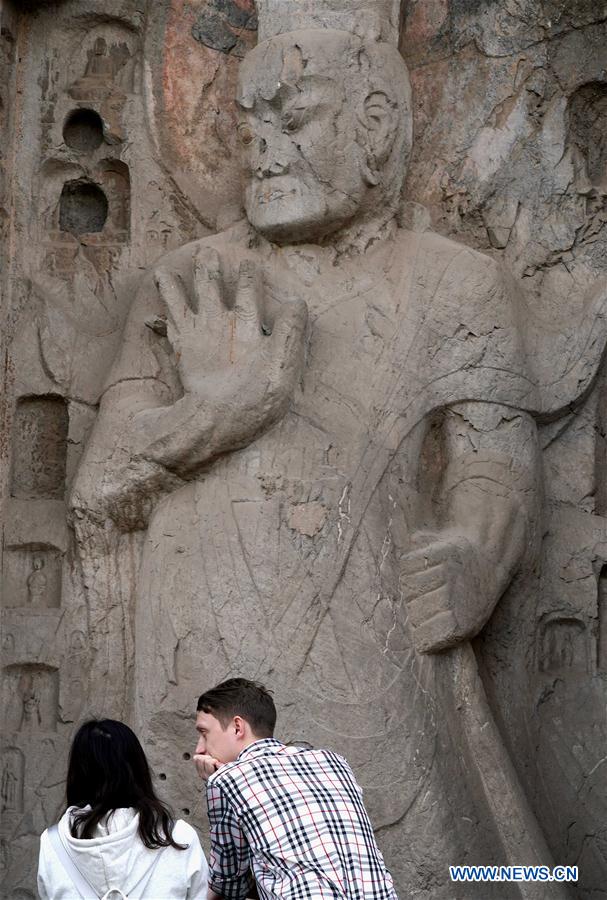
Beyond the political, Luoyang also became a significant center for Buddhist exchange. As Buddhism spread from India into China, Luoyang emerged as one of its most important early hubs. Monks and pilgrims traveled along the same routes as merchants, carrying not only scriptures and relics but also cultural practices, artistic styles, and a shared spiritual language that transcended political boundaries. Buddhist monasteries often served as important waystations for travelers, offering lodging, food, and even financial services. This religious network provided a crucial social and logistical infrastructure that facilitated trade, fostering trust and communication among diverse groups of merchants and travelers across the Silk Road.
Enduring Legacy: Lessons from Luoyang, China’s Silk Road Connection
The story of Luoyang’s engagement with the Silk Road offers valuable insights that extend beyond historical curiosity. It illustrates fundamental principles of connectivity, resource utilization, and the interplay between geopolitics and commerce that remain relevant today. Understanding these dynamics helps us appreciate the complexity of ancient supply chains and the lasting impact of cultural diffusion.
A common mistake when studying the Silk Road is to view it as a single, static route primarily dedicated to luxury goods. In reality, the Silk Road was a dynamic network of interconnected land and sea paths, transporting a vast array of commodities, from everyday necessities to exotic treasures. Luoyang’s experience underscores the importance of multi-modal transport (river and land), the role of political centers as economic magnets, and the critical function of cultural exchange in lubricating trade relationships.
Consider these key factors when analyzing historical trade hubs, or even modern global logistics:
- Multi-Modal Transport Integration: How do different forms of transport (rivers, roads, sea) combine to create efficient supply chains? Luoyang mastered this with its river and land connections.
- Political Stability and Demand: How does the presence of a stable, wealthy political center stimulate demand and provide the infrastructure/security necessary for extensive trade?
- Cultural Bridges: What non-economic factors (like religion, shared language, diplomatic ties) facilitate trust and reduce friction in cross-border commerce?
- Adaptability of Routes: How do trade routes evolve in response to political changes, technological advancements, or environmental factors? The Silk Road was never static.
- Urbanization as a Trade Consequence: How does trade contribute to the growth and prosperity of cities, and how do those cities, in turn, become centers of innovation and consumption?
The legacy of Luoyang, China, as a Silk Road city is not just one of historical fact, but a compelling case study in the power of strategic location, imperial patronage, and cultural synthesis to drive economic prosperity and intercontinental exchange. It reminds us that trade has always been a multifaceted endeavor, interwoven with political ambition, technological capability, and the shared human desire for connection and discovery.
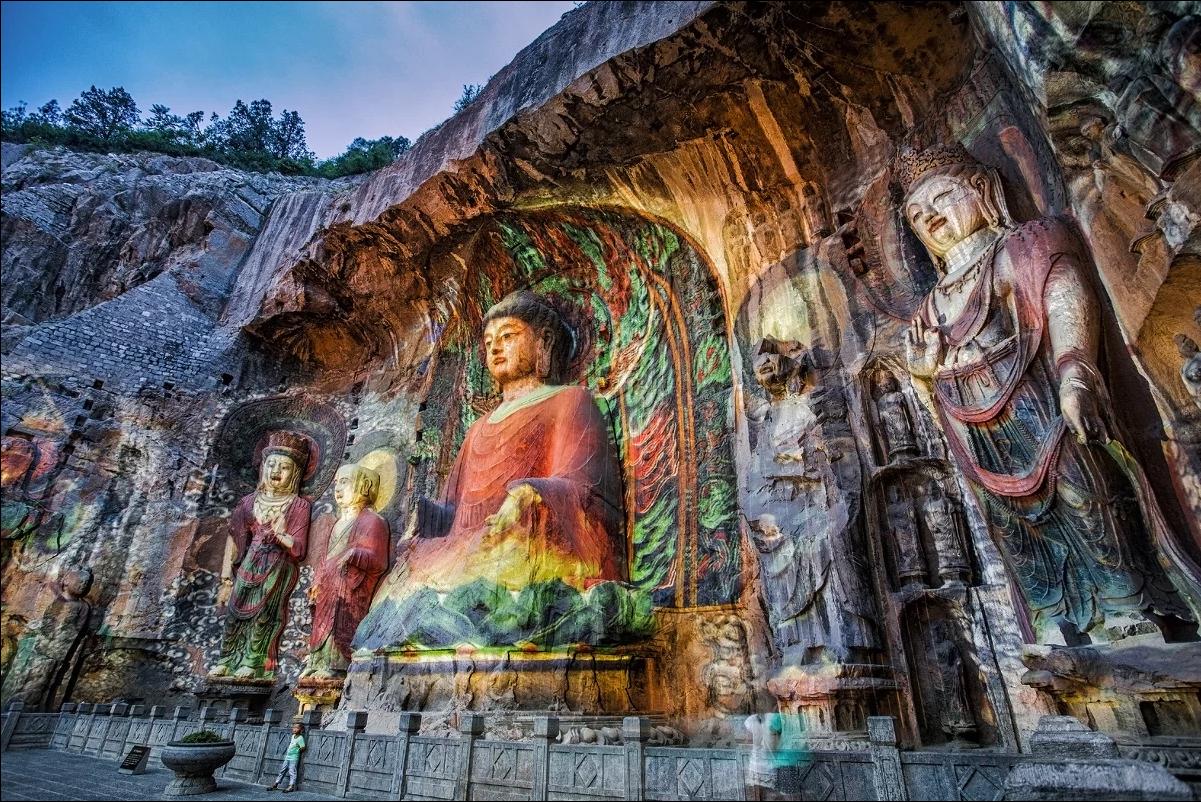
The intricate web of connections Luoyang fostered, enabled by its rivers, propelled by its imperial status, and enriched by Buddhist networks, offers a compelling narrative of how ancient capitals served as engines of globalization. It’s a testament to the enduring human capacity to build bridges—both literal and metaphorical—across vast distances, leaving an indelible mark on the course of history.
Contact our team for further historical insights or to discuss implications for modern trade logistics.