 By
By How to Plan a One-Day Longmen Grottoes Walking Route Without Backtracking
If you’re trying to figure out how to see the most important carvings at Longmen Grottoes in a single day without wasting hours walking the same path twice, you’re not alone. Most independent travelers arrive with a Luoyang itinerary that gives them one day, sometimes less, and no clear sense of which hill to start on, whether the river-crossing detour is worth it, or how much walking time the site actually demands. Longmen Grottoes stretches along both banks of the Yi River, and the layout rewards a specific sequence — not a random wander from entrance gate to exit gate.
This guide breaks down a route-sequencing method built around three priorities: hitting the West Hill highlights while your energy is fresh, catching the river views at the point where they’re most rewarding, and keeping walking time realistic so you don’t end up retracing ground you’ve already covered.
Understanding the Site Layout Before You Plan
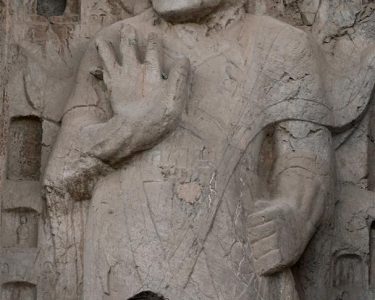
Longmen Grottoes, a UNESCO World Heritage Site, is split into two main carved cliff areas facing each other across the Yi River: West Hill and East Hill. West Hill holds the majority of the large-scale niches, including the most photographed grouping, and it’s where most visitor energy and time should go. East Hill has fewer major carvings but a quieter, more reflective walking path. Xiangshan Temple sits on the East Hill side as well, connected by a footbridge that also gives you the classic river-facing photo angle.
The mistake most first-time visitors make is treating the site as one continuous loop. It isn’t. West Hill and East Hill are two separate walking segments connected by a bridge, and the temple area is a side trip, not a mandatory link in the chain. Knowing this before you enter the gate changes how you sequence the whole day.

A Route-Sequencing Method That Prioritizes West Hill Highlights, River Views, and Realistic Walking Time
The core problem with an unplanned visit is backtracking — walking past the same niches twice because you crossed the bridge too early, or missed a viewpoint and had to double back. The method below solves that by treating the day as a single forward-moving arc rather than a there-and-back trip.
Step-by-step sequencing
- Start at the northern end of West Hill and move south. This puts the largest concentration of carvings at the front of your day, while your legs and attention span are still fresh. Reasoning: fatigue sets in faster than most visitors expect, and the highlight density on West Hill means slowing down here costs you more than slowing down anywhere else.
- Treat river-facing pullouts as scheduled stops, not afterthoughts. Build in short pauses at the wider viewing terraces along the West Hill path. These are the points where the cliff carvings and the Yi River line up in the same frame — skipping them to “save time” almost always means visitors turn around later to find them, which adds walking distance instead of saving it.
- Cross the river only once, at the southern end. The footbridge near the southern section of West Hill is the natural crossing point. Crossing here — instead of an earlier bridge — means you finish West Hill completely before starting East Hill, avoiding a mid-route zigzag.
- Walk East Hill north to south as a shorter, second segment. East Hill has less to see, so it works well as the lower-energy second half of the day. Reasoning: matching a shorter, easier segment to the point in the day when your stamina is lower keeps the pace realistic.
- Decide on Xiangshan Temple based on remaining time, not habit. The temple is a worthwhile detour if you still have a comfortable time buffer. If you’re already behind schedule, this is the segment to cut — it’s the only one that doesn’t sit on the direct forward path.
Where this sequencing fails
This method assumes you enter from the West Hill side. If your transport or tour drops you at a different gate, you’ll need to reverse the order — but the underlying rule stays the same: finish one hill completely before crossing, and treat the temple as optional rather than fixed. It also assumes you’re walking at a normal sightseeing pace with stops for photos; if you’re moving in a large group with mixed walking speeds, build extra buffer time into the West Hill segment specifically, since that’s where congestion around popular niches is heaviest.
A Practical One-Day Schedule
Below is how the sequencing method translates into a working schedule. Exact timing will shift depending on crowd levels and your own pace, but the block order shouldn’t change.
| Time Block | Segment | Focus |
|---|---|---|
| Morning arrival | North West Hill | Major niches, main entrance carvings |
| Mid-morning | Central West Hill | Largest carving grouping, river viewing terraces |
| Midday | South West Hill | Final West Hill niches, approach to footbridge |
| Early afternoon | Bridge crossing + North East Hill | River views from the opposite bank |
| Mid-afternoon | South East Hill | Quieter carvings, fewer crowds |
| Late afternoon (optional) | Xiangshan Temple | Temple grounds, final river photo point |
Arriving earlier in the day generally means fewer crowds on West Hill, which matters more than it sounds — congestion at the main niches is what most often derails a tight schedule.
Common Mistakes That Waste Walking Time
- Crossing the river too early. Visitors who cross at a northern bridge to “see both sides at once” usually end up walking back to finish West Hill, adding an unnecessary loop.
- Skipping the viewing terraces, then returning for them. Photo stops feel skippable in the moment but are hard to give up once you realize what you missed.
- Treating Xiangshan Temple as mandatory. It’s a good addition when time allows, but forcing it into a tight schedule often means rushing the East Hill carvings instead.
- Underestimating midday crowd density. The central West Hill section draws the heaviest foot traffic; visitors who hit this stretch during peak midday hours lose more time to slow-moving crowds than to walking distance itself.
- Not confirming your entry gate in advance. Starting from the wrong end reverses the whole sequencing logic, and visitors who don’t realize this until mid-route end up backtracking anyway.
Decision Checklist — What to Add or Skip
Use this checklist once you know your available time window for the day:
- Full day available: Walk both hills in full sequence, include Xiangshan Temple, and allow extra time at the central West Hill viewing terraces.
- Half day only: Prioritize West Hill in full; walk only the northern portion of East Hill; skip the temple.
- Visiting as part of a broader Luoyang itinerary: Confirm your entry gate against your transport route beforehand — this single detail determines whether the sequencing above applies directly or needs reversing.
- Traveling with mixed-pace companions: Add buffer time specifically to the West Hill segment, not the East Hill segment, since that’s where pace differences cause the most delay.

None of this replaces checking current site conditions before your visit — seasonal river levels, temporary path closures, and crowd patterns all shift the fine details. But the sequencing logic — finish one hill before crossing, treat the temple as optional, front-load the highlight-dense sections — holds regardless of the day you go.
If you’re mapping this route into a wider Luoyang travel plan and want help sanity-checking your timing or transport connections, feel free to reach out with your draft itinerary for a quick review.