 By
By How to Explore Luoyang China Beyond Its Ancient Capitals
Most visitors arrive in Luoyang with a clear checklist: the Longmen Grottoes and the White Horse Temple. While these are essential, truly understanding this city means seeing how its pieces connect. How does its legacy as an imperial capital relate to the Luo River that flows through it, and how do both shape the vibrant modern culture you see today? The real challenge isn’t just seeing the sights; it’s grasping the narrative that links them together.
This guide provides a practical framework for experiencing the complete story of Luoyang China. We move beyond a simple list of destinations to offer a route that connects the city’s four core pillars: its imperial past, the foundational Luo River, its deep Buddhist heritage, and its contemporary urban life. This approach transforms a sightseeing trip into a coherent journey through millennia of history.
Understanding Luoyang’s Four Pillars: History, River, Faith, and Modern Life
Before building an itinerary, it’s crucial to understand the foundational elements that define Luoyang. Viewing the city through these four lenses helps you appreciate the context behind each site you visit. They are not isolated attractions but interconnected parts of a larger story.
- Imperial History: Luoyang’s claim to fame is its status as the capital for numerous Chinese dynasties. This isn’t just abstract history; it’s physically present in the layout of the old city, the archaeological sites, and the city’s central axis. Every major landmark is tied to this imperial legacy, serving as a reminder of its former political and cultural dominance along the Silk Road.
- The Luo River: The city’s geography and very name (meaning “north of the Luo River”) are defined by this waterway. The river was a source of life, a transportation artery, and a strategic defensive line. The spectacular Longmen Grottoes were carved into the cliffs along its banks, a location chosen for both its spiritual and practical significance. Understanding the river’s role provides a critical geographic context for your exploration of Luoyang China.
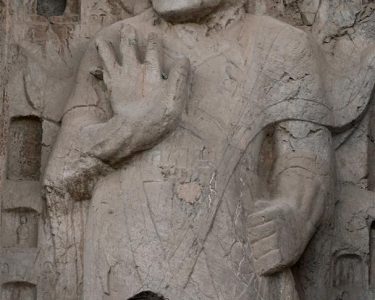
- Buddhist Heritage: With the establishment of the White Horse Temple, considered the first Buddhist temple in China, Luoyang became a cradle of Buddhism in the country. This spiritual identity culminated in the awe-inspiring carvings of the Longmen Grottoes, a UNESCO World Heritage Site. This pillar is not just about religion but also about cultural exchange and artistic expression that has endured for centuries.
- Modern Culture: Contemporary Luoyang is a bustling industrial and cultural hub. The Old Town (Lijingmen area) and modern districts like the Luoyi Ancient City offer a look at how history is preserved, commercialized, and integrated into daily life. From food streets to modern museums, this living culture is the final piece of the puzzle.
A successful trip to Luoyang China involves seeing how these four pillars intersect at every turn. The river provides the setting for the imperial capital’s defenses and its most sacred art, while the modern city thrives by celebrating and reinterpreting its dynastic and spiritual past.
A Practical Itinerary: Connecting Luoyang’s Imperial, River, and Cultural Hubs
This section provides a strategic route designed to connect the city’s key themes into a logical and enriching experience. Instead of zig-zagging between unrelated sites, this plan follows a narrative, starting with the grand scale of its spiritual art and progressively focusing on its historical core and modern pulse. This is more than a schedule; it’s a way to read the city’s story as you travel through it.
Here is a step-by-step approach to structure your visit to Luoyang China.
Step-by-Step Itinerary Framework
-
Start at the River: The Longmen Grottoes (Half-Day)
- Action: Begin your exploration at the Longmen Grottoes. Dedicate at least 4-5 hours to explore both the west and east hills.
- Checkpoint: Don’t just look at the main Vairocana Buddha. Cross the bridge to the east hill for a panoramic view of the main grottoes. This perspective is crucial for understanding the scale of the project and its relationship with the river.
- Common Mistake: Rushing the site. Visitors often only see the most famous statues on the west hill and leave. The east hill offers equally serene, smaller grottoes and the essential context of seeing the entire complex from afar. Skipping it means missing half the story.
-
Trace the Faith: White Horse Temple (2-3 Hours)
- Action: After the grottoes, travel to the White Horse Temple. This location represents the introduction of Buddhism to China.
- Checkpoint: Notice the architectural evolution. The original Chinese-style halls stand in contrast to the newer, international temple complexes (like the Thai and Indian temples) built on the grounds. This showcases Luoyang’s historic and ongoing role as a center for cultural exchange.
- Common Mistake: Visiting too late in the day. The temple complex is large, and arriving with less than two hours before closing will force you to rush through the different international sections, which are a key part of the experience.
-
Engage with Imperial History: Luoyang Museum & Old Town (Half-Day)
- Action: Shift your focus to the city’s dynastic history. Start at the Luoyang Museum to see the artifacts unearthed from the region. Then, in the late afternoon and evening, explore the Lijingmen and Luoyi Ancient City areas (the Old Town).
- Checkpoint: At the museum, focus on the Tang Dynasty (Tang Sancai) exhibits, as they represent a peak of cultural output. In the Old Town, walk the city walls at Lijingmen Gate for a view of the old and new cityscapes.
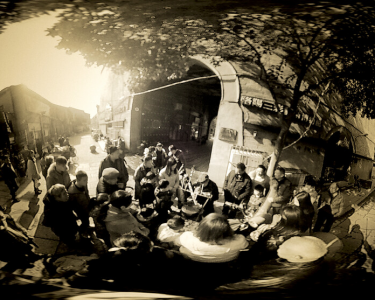
- Common Mistake: Treating the Old Town as just a tourist trap. While it is commercial, look for the underlying street patterns and sample the local “Water Banquet” (Shuixi) cuisine. This is where the history of Luoyang China becomes a living, sensory experience. If you need help, our cultural travel guide can provide more details.
-
Connect to Modern Life: The New City & Peony Gardens (Seasonal)
- Action: Spend your final hours exploring the modern side of the city, such as the area around Wangcheng Park or the new civic center. If visiting in April, a trip to a peony garden is essential.
- Checkpoint: Observe how public spaces integrate historical motifs. Many modern squares and buildings feature designs inspired by ancient dynasties, showing a conscious effort to link the past with the present.
- Common Mistake: Ignoring the new city entirely. Focusing only on ancient sites gives an incomplete picture. The modern districts are where the majority of residents live and work, offering a glimpse into the contemporary identity of Luoyang China.
Choosing Your Base: Old Town vs. New City Districts
Where you stay in Luoyang significantly impacts your experience. The choice generally comes down to staying near the historical atmosphere of the Old Town or opting for the modern conveniences of the new city districts. Neither is definitively better; the right choice depends on your travel style and priorities. A thoughtful decision here can save you significant travel time and enhance your immersion in the local culture of Luoyang China.
Use this table to compare the two main areas for accommodation.
| Factor | Old Town (Lijingmen / Luoyi) | New City Districts (e.g., Jianxi, Xigong) |
|---|---|---|
| Atmosphere | Historic, bustling, and tourist-focused. Full of traditional architecture (reconstructed), food stalls, and souvenir shops. Can be noisy in the evenings. | Modern, commercial, and residential. Wider streets, shopping malls, and a more typical contemporary Chinese urban experience. Generally quieter at night. |
| Proximity to Sights | Excellent for evening strolls and exploring historical-themed areas on foot. Further from the Longmen Grottoes and the main train stations. | Closer to the Longmen Grottoes (depending on location) and often better connected to high-speed rail stations and the airport. Requires transport to reach the Old Town. |
| Dining Options | Dominated by local snacks, famous food streets, and restaurants catering to tourists. Excellent for trying Luoyang’s specialty cuisine. | A wider variety of dining, from local eateries to national chains and international food. More options for non-specialty dining. |
| Accommodation Style | Primarily boutique hotels, guesthouses, and inns in traditional-style buildings. Can offer a more unique, cultural experience. | Mainly modern business hotels, international hotel chains, and apartment-style lodging. Often more spacious and with more standardized amenities. |
| Best For | Travelers who want to be immersed in a historical atmosphere and prioritize evening exploration and local food experiences. | Travelers who prioritize convenience, modern comforts, and easy access to transportation hubs. Also better for business travelers. |
Your choice of location is a strategic one. For a short, culture-focused trip, the Old Town provides constant immersion. For a longer stay or a trip combining business and leisure, the New City may offer a more comfortable and practical base for exploring the wider region of Luoyang China. We provide planning services to help you make the best choice.
Common Planning Pitfalls and How to Avoid Them
A successful trip to Luoyang is often about avoiding a few common but costly mistakes. Many visitors, focused on the main attractions, overlook practical details that can impact their schedule and budget. Being aware of these potential issues in advance allows for a much smoother and more enjoyable experience.
Here are some frequent missteps and actionable advice to sidestep them:
- Misjudging Travel Times: Luoyang is a large, sprawling city. The distance between the Longmen Grottoes in the south, the White Horse Temple in the east, and the main city center is significant.
- How to Avoid: Use a ride-hailing app or map service to check real-time travel estimates before you set out. Group attractions by geographic area. For example, visit the Longmen Grottoes and Guanlin Temple on the same day, as they are both in the southern part of the city.
- Ignoring the Peony Festival Crowds: Visiting during the annual Peony Festival in April is a spectacular experience, but it also means peak season. Accommodation prices soar, and crowds at major sites can be overwhelming.
- How to Avoid: If visiting in April, book your hotel and train tickets months in advance. Plan to visit major sites like the Grottoes on a weekday, first thing in the morning, to beat the worst of the crowds. If your schedule is flexible, visiting just before or after the festival offers better value.
- Relying Solely on Public Transport for a Tight Schedule: While Luoyang has a public bus system and a metro, navigating it can be time-consuming for a first-time visitor, especially when routes to major tourist sites can be crowded and slow.
- How to Avoid: For a short trip (1-2 days), strategically use taxis or ride-hailing services. The cost is modest by international standards and the time you save is invaluable, allowing you to fit more into your day. This is the most efficient way to travel between the far-flung major sites.
- Sticking Only to Major Restaurants: Many of the most authentic and delicious food experiences in Luoyang China are found in small, unassuming eateries and street stalls, especially in the Old Town.
- How to Avoid: Be adventurous. Try the various stalls in the Lijingmen area for snacks like “Bu Tong Tang” (Luoyang soup). Don’t be afraid to enter a small restaurant that looks busy with locals; it’s often a sign of high-quality, authentic food. Our team has deep local expertise that can guide your choices.
By anticipating these logistical challenges, you can focus your energy on absorbing the incredible history and culture that Luoyang China has to offer, ensuring your visit is both efficient and memorable.
If you are planning a visit and require detailed logistical support or local insights, our team is available to help you craft the perfect itinerary. Contact us for specialized guidance.