 By
By How to Plan an Unforgettable Ancient-Capital Weekend in China’s Luoyang
For many first-time cultural travelers, planning a short, impactful trip to a historically rich city presents a unique challenge. How do you maximize two days to absorb centuries of heritage, especially in a destination like Luoyang, China? This guide provides the framework for an efficient and enriching ancient-capital weekend, focusing on critical planning steps to ensure you experience the best of this storied city.
Strategizing Your Arrival and Accommodation in Luoyang
Your journey begins before you even arrive. Understanding Luoyang’s transport hubs and strategically choosing your accommodation can significantly impact your two-day experience. Luoyang is served by two primary railway stations and a regional airport, each offering different advantages.
- Luoyang Longmen Railway Station: This is the high-speed rail hub, connecting Luoyang to major cities like Beijing, Shanghai, Xi’an, and Zhengzhou. It’s located south of the city center, relatively close to the Longmen Grottoes. If arriving by high-speed train, this is your likely entry point. Travel time to the city center or old town can range from 30-45 minutes by taxi or public transport, depending on traffic.
- Luoyang Railway Station: Situated in the older central district, this station handles conventional trains. While less frequented by international travelers, it offers direct access to hotels in the traditional downtown area.
- Luoyang Beijiao Airport (LYA): A regional airport with connections to some domestic cities. For most international travelers, flying into a larger hub like Zhengzhou (CGO) or Xi’an (XIY) and then taking a high-speed train to Luoyang Longmen is more common.
Accommodation Zones:
Choosing where to stay depends on your priorities:
- Near Longmen Grottoes: Offers convenience for an early morning visit to the grottoes, potentially with scenic views. However, it can be further from the city’s dining and evening entertainment options.
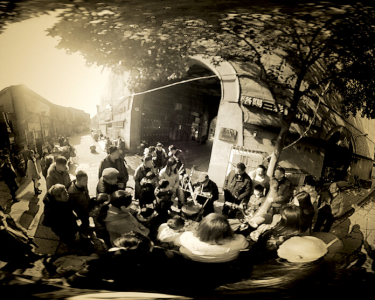
- Old Town District (Lijing Gate area): Ideal for cultural immersion. You’ll be within walking distance of historical streets, local markets, and traditional restaurants. This area provides a vibrant evening atmosphere.
- Central Business District: Features modern hotels with international amenities. It’s well-connected by public transport to various sites and offers a balance of convenience and contemporary comfort.
Recommendation: For a first-time cultural traveler focused on ancient sites, staying near the Old Town or in the Central Business District offers the best balance of accessibility to multiple sites (via short transport) and evening activities. If your primary focus is solely the grottoes and you prefer tranquility, a hotel closer to Longmen might suit you. A common mistake is underestimating the travel time and cost from Luoyang Longmen Railway Station to your chosen hotel, especially during peak hours. Always factor in at least an hour for arrival to check-in.
Building a Two-Day Route: Site Opening, Travel Times, and Heritage Districts
Effectively planning your two days requires a precise understanding of site opening times, realistic travel duration between heritage districts, and smart sequencing. This how-to guide provides executable steps, key checkpoints, and common failure reasons.
- Define Your Core Interests: Before plotting, decide what truly interests you. Are you primarily drawn to Buddhist art (Longmen Grottoes, White Horse Temple), dynastic history (Luoyang Museum), or local culture and cuisine (Old Town)? This clarifies your priorities.
- Map Key Sites and Their Locations:
- Longmen Grottoes: South of the city.
- White Horse Temple: East of the city, significant travel time from grottoes.
- Luoyang Museum: West of the city center.
- Old Town District (Lijing Gate): Central-north.
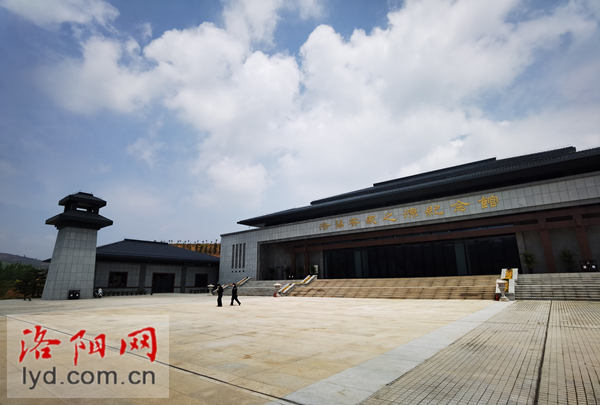
- Tianzi Jialiu Museum (Royal Horse and Chariot Pit): Central.
Visualizing these on a map is crucial for grouping.
- Check Opening Hours and Last Entry Times: This is non-negotiable. Major sites often close between 4:30 PM – 5:30 PM, with last entry an hour prior. Some museums are closed on Mondays. Always verify current times, especially for the season of your visit. Overlooking this is a common failure reason, leading to missed opportunities.
- Estimate Realistic Travel Times Between Sites:
- Longmen Grottoes to Old Town: 45-60 minutes by bus/taxi.
- Old Town to White Horse Temple: 60-75 minutes by bus/taxi.
- Longmen Grottoes to White Horse Temple (direct): 75-90 minutes, potentially longer.
- Within city center (e.g., Old Town to Luoyang Museum): 20-30 minutes.
Factor in traffic, especially during rush hour (7:30-9:00 AM, 5:00-7:00 PM). Rely on ride-hailing apps like Didi for more accurate estimates in real-time.
- Sequence Your Days (Worked Example):
Day 1: Ancient Grandeur and Urban Culture
- Morning (8:00 AM – 1:00 PM): Longmen Grottoes. Arrive early to avoid crowds. Dedicate 4-5 hours to explore the East and West Hills. This is a vast site.
- Lunch (1:00 PM – 2:00 PM): Near Longmen Grottoes or en route to your next destination.
- Afternoon (2:00 PM – 5:00 PM): Luoyang Museum. Travel to the museum (approx. 45 min from Grottoes). Explore the extensive collection, focusing on artifacts from Luoyang’s dynastic history. Confirm closing time.
- Evening (6:00 PM onwards): Old Town District (Lijing Gate). Travel to the Old Town (approx. 30 min from museum). Explore the historic streets, enjoy local street food for dinner, and soak in the evening atmosphere.
Day 2: Sacred History and Local Flavors
- Morning (9:00 AM – 12:30 PM): White Horse Temple. Travel to the temple (approx. 60-75 min from Old Town). As China’s first Buddhist temple, it requires 2-3 hours to appreciate its history, multiple halls, and gardens.
- Lunch (12:30 PM – 1:30 PM): Near White Horse Temple or back in the city center.
- Afternoon (1:30 PM – 4:30 PM): Choose Your Focus. Depending on your interest and remaining time before departure:
- Option A (History): Tianzi Jialiu Museum (Royal Horse and Chariot Pit) – a fascinating archaeological site showcasing Zhou Dynasty burials.
- Option B (Leisure/Shopping): Revisit a favorite spot in the Old Town or explore local markets.
- Departure: Head to Luoyang Longmen Railway Station for your evening train.
Key Checkpoints for Success:
- Pre-book Tickets: Many popular sites, especially Longmen Grottoes, require online booking in advance, often through WeChat mini-programs.
- Offline Maps and Translation: Download maps (e.g., Baidu Maps) and translation apps (e.g., Google Translate with offline packs) before arrival, as international internet access can be inconsistent.
- Local Payment Methods: Ensure you have WeChat Pay or Alipay set up and linked to an international card, or carry sufficient cash for smaller vendors.
Common Failure Reasons:
- Over-scheduling: Trying to fit too many sites into one day, leading to rushing and exhaustion.
- Ignoring Traffic: Underestimating rush hour congestion, making you late for timed entries or trains.
- Language Barrier: Not having translation tools or basic phrases, making navigation and communication difficult.
- Payment Issues: Relying solely on international credit cards, which are not widely accepted outside major hotels and international chains.
Navigating Cultural Etiquette and Practical Logistics
Beyond the itinerary, a smooth trip to china luoyang requires an understanding of local customs and practical logistics. Being prepared enhances your experience and avoids common travel pitfalls.
Preparation Checklist for Your Luoyang Trip
| Category | Item | Notes for Luoyang |
|---|---|---|
| Payment | WeChat Pay / Alipay | Essential. Link international card before travel. Cash is less common for daily transactions. |
| Small Denomination Cash | Useful for small street vendors or when mobile payment fails. | |
| Communication | Translation App | Download offline packs for Mandarin. Google Translate or Baidu Translate. |
| Basic Mandarin Phrases | “Ni hao” (hello), “Xie xie” (thank you), “Duoshao qian?” (how much?). | |
| Navigation | Offline Maps | Baidu Maps (more accurate in China) or Google Maps (downloaded region). |
| Ride-Hailing App (Didi) | Register with international phone number. Convenient for taxis. | |
| Connectivity | eSIM / Local SIM Card | Ensures reliable internet access for maps, translation, and payments. |
| VPN | If you need access to international services (e.g., Google, WhatsApp). Set up before arrival. | |
| Cultural Etiquette | Temple Protocol | Dress modestly, remove shoes in certain areas, no loud talking. |
| Photography | Generally allowed, but be respectful and avoid photographing people without permission. |
Food & Drink: Luoyang boasts unique culinary traditions. The “Water Banquet” (Shui Xi) is a local specialty, featuring various soups and dishes. Don’t miss Luoyang noodles or roujiamo (Chinese hamburger). Always opt for bottled water. When dining, be aware that many local eateries have menus primarily in Chinese; picture menus or translation apps are your best friends here. The reasoning for these preparations is simple: they bridge potential gaps in language, payment systems, and local knowledge, ensuring a smoother and more enjoyable journey through china luoyang.
Limits: While mobile payment is ubiquitous, some very small, traditional vendors may still prefer cash. Internet access, even with a local SIM, can occasionally be spotty, hence the emphasis on offline tools. Not all public transport drivers will speak English, making Didi or prepared addresses in Chinese crucial.
Maximizing Your Experience: Beyond the Main Attractions
While the Longmen Grottoes, White Horse Temple, and Luoyang Museum form the core of any visit to china luoyang, allocating flexible time allows for deeper cultural immersion. Look beyond the major landmarks to discover the city’s hidden gems and everyday life.
- Explore Smaller Temples and Pagodas: Beyond the famous, Luoyang is dotted with numerous smaller Buddhist and Taoist temples, each with its own history and serene atmosphere. These often offer a more intimate glimpse into local religious practices.
- Visit Local Markets: Wander through traditional wet markets or night markets. This provides an authentic sensory experience of local life, from unique produce to handicrafts. It’s an excellent opportunity to sample regional snacks and observe daily routines.
- Attend an Evening Performance: Check if any local opera, traditional music, or cultural shows are available. These can offer a captivating insight into Henan’s artistic heritage.
- Stroll Along the Luo River: Enjoy the city’s modern side by taking a walk or bike ride along the Luo River, especially in the evening when city lights reflect on the water.
Recommendation: Schedule at least half a day, or several flexible hours, for spontaneous exploration. This means resisting the urge to pack every minute with a pre-booked activity. The reasoning is that some of the most memorable travel experiences come from unexpected discoveries and interactions with locals. This approach allows you to truly feel the pulse of the city, rather than just checking off a list of sites. Its limits, however, are that it requires a greater degree of spontaneity and comfort with uncertainty, and it might mean sacrificing a less critical, planned attraction.
Planning an ancient-capital weekend in China’s Luoyang can be incredibly rewarding with the right preparation. By focusing on smart logistics, a well-paced itinerary, and cultural awareness, you can ensure a memorable journey through this significant historical city.
For insights into efficient logistics or large-scale travel coordination, consider engaging professional planning services.