 By
By Luoyang City China Marks the Line Where Its Modern Center Meets Three Ancient Capital Zones
Anyone researching Luoyang for the first time runs into the same problem within minutes: maps, travel articles, and history books all use the name “Luoyang” for at least three different things, and they rarely say which one they mean. Is the peony festival happening in the ancient capital or the modern downtown? Are the Longmen Grottoes inside the city or somewhere else entirely? This confusion is exactly why a landmark-based breakdown matters before you plan a research trip, a business visit, or a deeper study of the region. Luoyang city, China sits in western Henan province, along the Luo River, and functions today as a mid-sized industrial and administrative center — but that modern footprint overlaps only partly with the historic capital zones that made the name famous in the first place.
This article separates the three layers clearly: the present-day municipal city, the historic capital districts scattered around it, and the broader heritage landscape that surrounds both. Each section below gives a direct, factual answer rather than a general overview, so you can act on it immediately — whether that means correcting a map, briefing a colleague, or scoping an itinerary.
What Actually Makes Up “Luoyang” Today
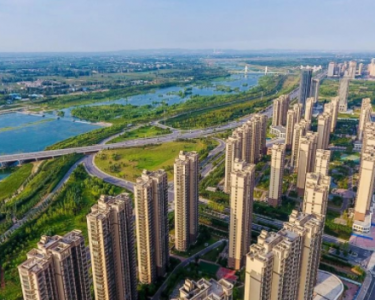
The modern administrative city of Luoyang functions as a prefecture-level city in Henan province, with a built-up urban core, surrounding industrial zones, and a wider rural periphery under its jurisdiction. This is the Luoyang that appears on flight schedules, business directories, and shipping documents. It includes newer commercial districts, university campuses, and manufacturing areas that grew during the city’s mid-20th century industrial expansion, when Luoyang became known domestically for machinery and heavy equipment production.
None of this modern development physically overlaps with the ancient palace foundations or dynastic capital sites. That distinction is the single most useful fact for anyone new to the region: the working, present-day city and the archaeological capital zones are geographically adjacent, not identical.
Landmark-Based Guide: Modern City, Historic Capital Zones, or Heritage Landscape?
Below is a direct, question-and-answer breakdown of where major landmarks actually belong. This is the clarification most travel guides skip.
Q: Are the Longmen Grottoes part of the modern city or a separate historic zone?
A: Neither, strictly speaking. The UNESCO World Heritage Site known as the Longmen Grottoes sits south of the modern urban core, carved into limestone cliffs along the Yi River. It belongs to the surrounding heritage landscape category — reachable from the city but administratively and physically distinct from both the modern downtown and the old dynastic capital footprints.
Q: Is the White Horse Temple inside the historic capital area?
A: It is closer to the historic capital zone than to the modern center, sitting east of the old city area and traditionally linked to the early spread of Buddhism into China. It is not inside the current commercial downtown, so visitors expecting a city-center temple are often surprised by the distance.
Q: Where do the ancient capital ruins sit relative to today’s downtown?
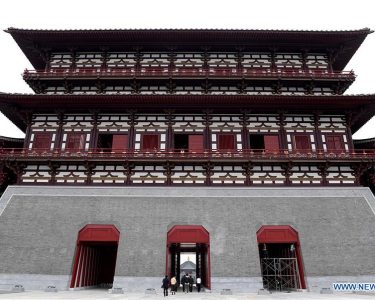
A: Several historic capital sites tied to different dynastic periods lie outside or on the edge of the current urban footprint, not underneath it. This is a common source of confusion: the “capital” that historians reference is often a separate archaeological zone, not the same coordinates as the modern city hall.
Q: Does the “Old City” district count as ancient capital or modern city?
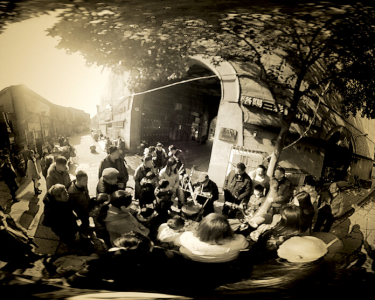
A: It’s a hybrid, and this is where most confusion starts. The old city district preserves a historic street layout and older architecture, but it functions today as a lived-in, modernized neighborhood — not an open-air archaeological site. Treat it as a heritage-flavored part of the modern city, not a stand-alone capital zone.
| Landmark or Area | Belongs To | Practical Note |
|---|---|---|
| Modern downtown / commercial core | Modern city | Hotels, transit, business services located here |
| Old City district | Modern city (heritage-influenced) | Walkable, historic layout, still a working neighborhood |
| Ancient dynastic capital ruins | Historic capital zone | Often outside current city limits, requires separate trip |
| Longmen Grottoes | Heritage landscape | South of city, along the Yi River, distinct site |
| White Horse Temple | Heritage landscape / historic capital edge | East of old city, not downtown |
This table is the reference point to return to whenever a report, itinerary, or briefing mentions “Luoyang” without specifying which layer it means.
Common Mistakes When Mapping Luoyang City China’s Districts
- Assuming one continuous “old town.” The old city district and the ancient capital ruins are not the same place, even though both get called “historic Luoyang” casually.
- Treating the Longmen Grottoes as a downtown attraction. It requires separate transit time; it is not walkable from the modern center.
- Confusing dynastic-era place names with current administrative names. Historical texts reference capital names tied to specific dynasties, which do not always match today’s district names.
- Skipping the heritage landscape category entirely. Some sites are neither “modern city” nor “ancient capital” but rural or semi-rural heritage zones that need their own logistics planning.
A Step-by-Step Method for Planning Around Luoyang City China
- Identify which layer your interest actually falls into: business logistics (modern city), historical research (capital zones), or cultural heritage (surrounding landscape).
- Cross-check any landmark name against the table above before booking transport or accommodation.
- For business or sourcing visits, base your itinerary in the modern downtown, since services, transit hubs, and communication infrastructure concentrate there.
- For historical or archaeological research, budget separate travel time to reach capital-zone ruins, which sit outside the built-up city.
- For heritage sites like the Longmen Grottoes, confirm distance and transit options separately — do not assume they’re bundled into a single-day downtown visit.
Decision Checklist Before You Commit to a Visit or Research Trip
- Have you confirmed whether your target landmark is in the modern city, a capital zone, or the surrounding heritage landscape?
- Does your itinerary account for the physical distance between the old city district and the ancient capital ruins?
- If your purpose is business-related, is your base of operations in the modern commercial core rather than a rural heritage zone?
- If your purpose is historical research, have you separated dynastic-era place names from current district names?
- Have you allowed separate transit time for sites like the Longmen Grottoes and the White Horse Temple, rather than treating them as downtown stops?
Getting this distinction right early prevents the most common planning error in Luoyang, China: treating a geographically spread-out region as one compact city center. The modern city, the historic capital zones, and the surrounding heritage landscape each demand different logistics, different expectations, and in some cases entirely separate trips.
For readers moving from general orientation into a deeper history or travel itinerary, the same layered approach applies: always confirm which zone of Luoyang, China a source is describing before treating it as citywide fact.
If you’re preparing a research brief, a technical visit, or a sourcing trip near Luoyang and need help confirming site details or logistics, send us your specifics and we’ll help you verify the right zone before you commit.