 By
By Understanding Luoyang’s Enduring Appeal as an Imperial Capital
The question of why various dynasties consistently chose Luoyang as their imperial capital is fundamental to understanding ancient Chinese history. It wasn’t a matter of simple preference but a complex interplay of geography, logistics, and political strategy. Throughout its long history, Luoyang served as a vital center of power for numerous ruling houses, a testament to its unique advantages. This analysis dissects the core reasons behind Luoyang’s repeated selection, examining the specific factors that made it a viable and attractive seat for imperial power across different eras.
Analyzing the Strategic Factors Behind Luoyang’s Dynastic Viability
The establishment of an imperial capital was a monumental decision, directly impacting a dynasty’s ability to govern, defend, and sustain itself. For many Chinese dynasties, Luoyang presented an optimal balance of critical strategic factors. Each element contributed to the city’s enduring appeal, creating a robust foundation for imperial administration.
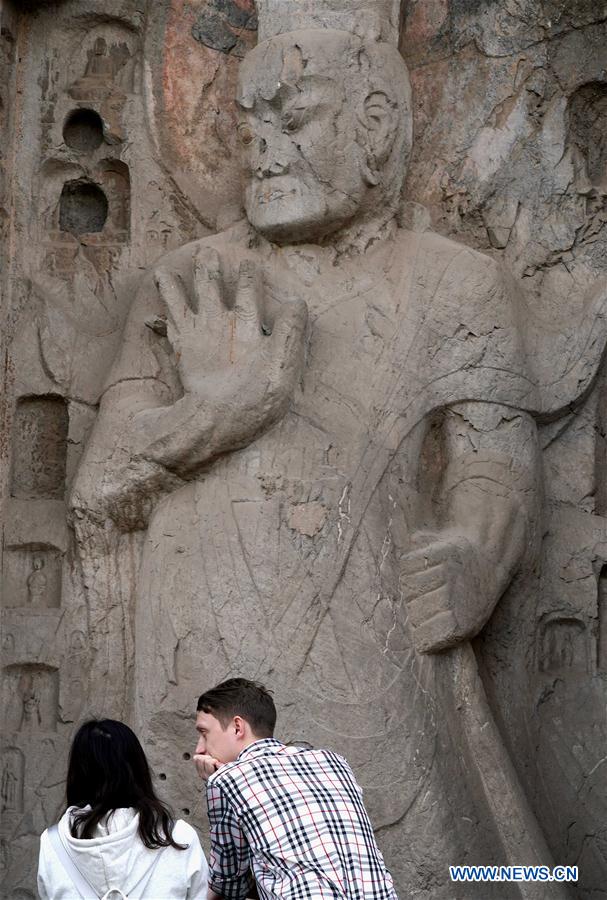
The table below outlines the key parameters considered when establishing a capital and how Luoyang specifically leveraged these, along with the potential consequences if these factors were not adequately met.
| Factor | Description and Practical Implications for Luoyang | Impact if Factor is Suboptimal for a Capital |
|---|---|---|
| River Systems | Luoyang benefits from its location on the Luo River, which merges with the mighty Yellow River nearby. This provided an indispensable, consistent supply of fresh water for the city’s vast population, critical for daily life, sanitation, and supporting large-scale agriculture in the surrounding plains. The rivers also served as natural arteries for regional communication and trade, connecting the capital to resource-rich areas and facilitating the movement of goods and people. This natural hydrological advantage was a non-negotiable requirement for any large urban center and especially an imperial capital. | A capital lacking reliable access to abundant fresh water would face immediate and severe challenges, including chronic water shortages, widespread disease, and agricultural failure. Such conditions would quickly lead to social unrest, population decline, and ultimately render the capital unsustainable for maintaining imperial authority. |
| Transport Infrastructure | Beyond natural waterways, Luoyang’s viability was greatly enhanced by extensive, often engineered, transport networks. Most notably, the city was strategically linked to the Grand Canal system, particularly the Tongji Canal, during later dynasties. This artificial waterway was crucial for shipping vast quantities of grain from the fertile Yangtze River delta in the south to the imperial granaries in the north, directly feeding Luoyang’s massive population and its military. Additionally, numerous major overland roads converged on Luoyang, solidifying its status as a central hub for commercial caravans, official envoys, and rapid troop deployment across the empire. | Inadequate transport infrastructure cripples a capital’s ability to provision itself, leading to chronic food shortages, inflated prices, and economic instability. Militarily, it hampers the swift movement of troops and supplies, making it difficult to suppress rebellions or defend against external threats, thereby undermining central governance and stability. |
| Defensive Terrain | Luoyang’s geographic setting, nestled within a basin, offered a degree of natural protection. It was flanked by the Mangshan Hills to the north and the Xiong’er Mountains to the south, with the Yellow River forming a formidable natural barrier to the north. While not an impregnable fortress by nature, this topography provided strategic chokepoints and elevated positions for observation and defense. The ability to fortify surrounding hills and control key passes allowed for effective monitoring of approaches and deterrence of direct assaults, complementing the defensive capabilities of a large standing army. | A capital situated in an open, undefended location is perpetually vulnerable to attack, leading to frequent sacks, regime changes, and an inability to project an image of secure and stable rule. Dynasties would be forced to divert immense resources into artificial defenses, often at great economic and human cost. |
| Political Centrality | Luoyang’s location placed it near the geographical heart of the traditional Chinese empire, particularly the North China Plain, which was historically the cradle of Chinese civilization. This central position was not just practical for administration but also held immense symbolic weight, reinforcing the emperor’s claim to legitimate rule over a unified China. It allowed for a balanced projection of power towards both the frequently turbulent northern frontiers and the economically vibrant, yet sometimes politically distant, southern regions. Choosing Luoyang was a statement of intent to govern from the core of the realm. | A capital perceived as geographically or culturally peripheral struggles to command universal respect and authority across a vast empire. Such a location can foster regionalism, make effective communication with distant provinces challenging, and weaken the central government’s ability to maintain political cohesion and imperial control. |
The interdependence of these factors was paramount. A strong river system bolstered transport, which in turn supported population density and administrative capacity. A weakness in one area could significantly undermine the others, highlighting the comprehensive strategic thinking behind Luoyang’s repeated selection.
The Enduring Legacy of Luoyang’s Strategic Position
Luoyang’s consistent role as an imperial capital across various dynasties, from the Eastern Zhou to the Later Tang, highlights its profound strategic importance. This was not a coincidence but a deliberate decision reflecting its unparalleled combination of geographical advantages and developed infrastructure. The city’s ability to adapt and remain relevant across centuries of political upheaval and territorial shifts underscores its inherent strengths.
One primary reason for Luoyang’s repeated selection was its fertile agricultural hinterland. The rich alluvial soils of the Luo and Yellow River valleys provided a robust food supply, essential for sustaining the vast population of an imperial capital, including its administrative apparatus, military garrisons, and artisans. This self-sufficiency reduced reliance on precarious long-distance food shipments, a critical factor for imperial stability, as food security often directly impacted a dynasty’s longevity.
Furthermore, Luoyang served as a natural crossroads. It was situated at the nexus of major routes connecting the northern plains, the strategically vital western passes (leading towards Chang’an and the Silk Road), and the eastern coastal regions. This central positioning made it an ideal command and control center. Imperial edicts could be disseminated efficiently, and military forces could be rapidly deployed to respond to threats or maintain order across diverse territories. The ability to control these converging arteries of communication and commerce was an invaluable asset for any ruling power.
Key Dynasties and Their Motivations for Choosing Luoyang:
A closer look at the specific dynasties that chose Luoyang reveals the evolving yet consistent appeal of the city’s strategic advantages.
- Eastern Zhou Dynasty (770–256 BCE): After the sacking of the Western Zhou capital, the court relocated eastward to Luoyi (an earlier name for Luoyang). This move was a strategic necessity, placing the capital in a more central and comparatively safer position within the fragmented Zhou territories, allowing the weakened dynasty to maintain a symbolic yet crucial presence.
- Eastern Han Dynasty (25–220 CE): With the restoration of the Han dynasty, Emperor Guangwu chose Luoyang as his capital. The city’s established infrastructure, central administrative location, and access to key agricultural regions were decisive factors in consolidating control over the empire. This period saw Luoyang flourish as a major center of scholarship and culture.
- Cao Wei Dynasty (220–265 CE): During the turbulent Three Kingdoms period, the powerful Cao Wei state established its capital in Luoyang. Its strategic centrality on the North China Plain, defensible position, and well-developed transport links were instrumental in their efforts to control northern China.
- Western Jin Dynasty (265–316 CE): Following the unification of China, the Western Jin also made Luoyang its capital. They expanded upon the existing imperial infrastructure, leveraging its strategic position to govern the newly reunified empire, though it eventually fell to northern invaders.
- Northern Wei Dynasty (386–534 CE): This non-Han dynasty moved its capital to Luoyang in 493 CE. This was a deliberate and profound political and cultural decision to sinicize their regime, integrate with the Han aristocracy, and assert control over the traditional Chinese heartland. They undertook significant projects to rebuild and expand the city.
- Sui Dynasty (581–618 CE): Emperor Yang of Sui initiated massive construction projects, including a new imperial city in Luoyang and the crucial Grand Canal. His goal was to establish a new political and economic hub that could more effectively administer a unified empire, balance the power of aristocratic families in Chang’an, and integrate the rich southern resources with the northern political center.
- Tang Dynasty (618–907 CE): While Chang’an was the primary capital, Luoyang often served as the “Eastern Capital” (Dongdu). Notably favored by Empress Wu Zetian, its strategic importance for grain transport and its vibrant cultural scene made it an indispensable secondary seat of power, often functioning as a practical administrative center when Chang’an faced logistical or political challenges.
These historical examples vividly demonstrate that while specific motivations might have varied, the underlying strategic advantages of Luoyang—its geography, infrastructure, and symbolic centrality—consistently provided compelling reasons for its selection as an imperial capital.
Navigating the Challenges of Imperial Capital Selection
Despite its numerous strengths, Luoyang was not without its drawbacks, and understanding these provides a balanced perspective on imperial decision-making. The very centrality that made it attractive also meant it was frequently at the epicenter of conflicts and invasions. Its location on the North China Plain, while fertile, also rendered it relatively exposed to cavalry raids from northern nomadic groups if frontier defenses faltered. The flat terrain, excellent for agriculture, lacked the rugged, all-encompassing natural defenses of more mountainous or river-gorge-protected locations.
Furthermore, the immense investment required to maintain an imperial capital of Luoyang’s scale, with its elaborate palaces, extensive administrative compounds, and substantial population, was a continuous burden. This included not only initial construction but also the constant logistical effort to feed and supply its inhabitants. When a dynasty weakened, the sheer cost and effort of sustaining Luoyang could transform it into a liability, making it a prime target for internal rebellions or external invaders aiming to strike at the heart of the empire.
Over time, as geopolitical landscapes shifted, new economic centers emerged, or different threats presented themselves, other cities sometimes gained prominence. Chang’an, further west, offered better defenses against western nomadic incursions, while cities in the south like Nanjing capitalized on burgeoning southern economic power. The choice of a capital was a dynamic decision, reflecting the specific strategic priorities and challenges of each era. However, Luoyang’s remarkable and repeated re-emergence as a capital throughout history stands as a testament to its fundamental and enduring strengths, which often proved irresistible to rulers seeking to establish or re-establish their authority over the vast Chinese empire.
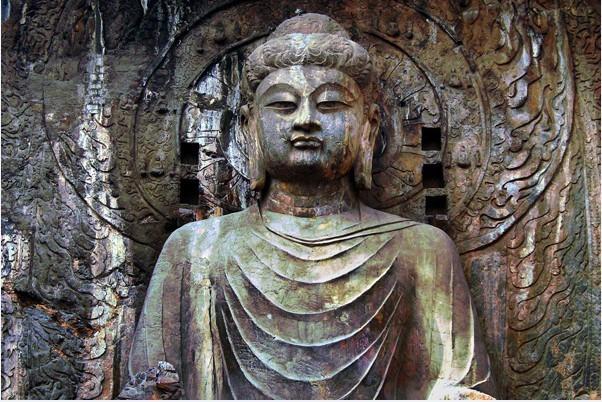
Understanding the intricate interplay of river systems, transport networks, defensive considerations, and profound political symbolism is essential to grasp why Luoyang held such an unparalleled and significant place in Chinese imperial history. Its story is a compelling case study in how geographical and infrastructural factors shape the destiny of nations and the strategic decisions of their leaders. For more information on the historical geography of China, consult authoritative sources such as Wikipedia’s entry on Luoyang or academic historical texts detailing the impact of major rivers on Chinese civilization.
For further historical insights or research support, our team is available to assist.