
 By
By Hangu Pass: Silk Road Trade and Strategic Legacy
Hangu Pass was one of ancient China’s most important gateways, controlling movement between the Central Plains and the western regions. Its strategic setting influenced military campaigns, commercial travel, and the broader Silk Road network for centuries.
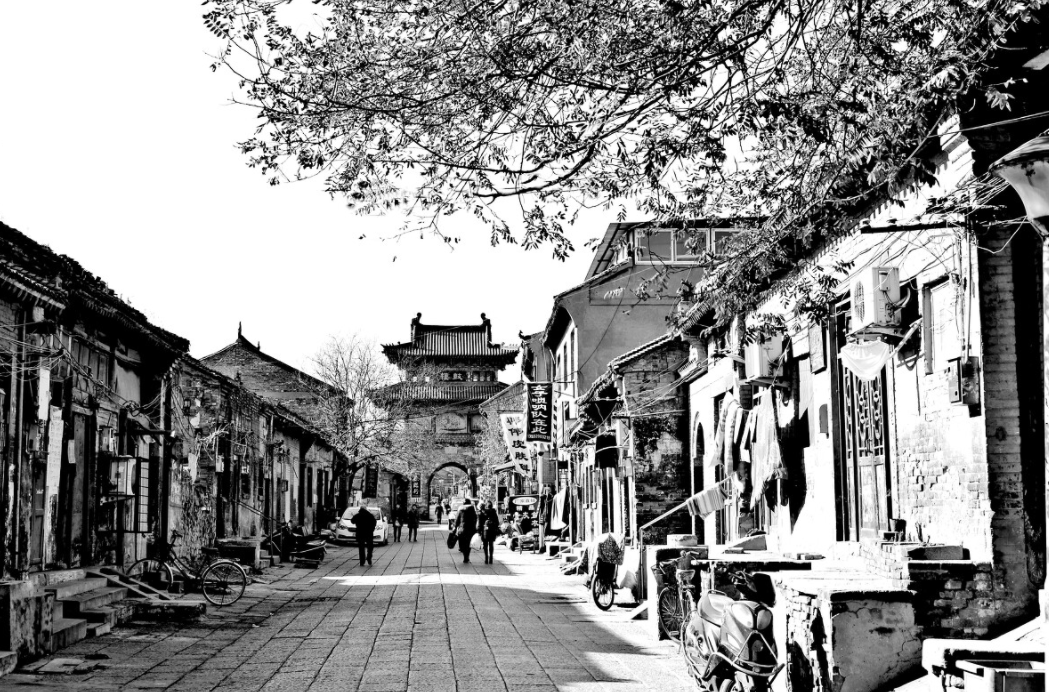
Far more than a roadside checkpoint, the pass was part of a carefully defended landscape. Mountains, ravines, the Yellow River, and narrow transport corridors gave the site exceptional military value. Armies advancing east toward China’s political heartlands had to cross difficult ground. Merchants, envoys, monks, and messengers traveled through the same terrain, though with very different goals.
Hangu Pass location and geographic setting
The Hangu Pass location is in present-day Lingbao, western Henan Province, close to the Shaanxi border. Historically, it stood west of the Central Plains and east of the mountain corridors leading toward the Guanzhong Basin and the ancient capital region around Chang’an, now Xi’an.
This position placed the pass between several major geographic zones:
- The Central Plains: the broad agricultural and political core around the Yellow River.
- The Guanzhong Basin: a defensible western heartland associated with Qin and later imperial capitals.
- The Yellow River corridor: a natural transport route linking settlements, farms, military posts, and markets.
- The Qinling and surrounding mountain routes: difficult terrain that narrowed the practical choices available to travelers and armies.
Ancient travelers did not see this landscape as a fixed network of roads on a map. Routes changed with river conditions, warfare, construction projects, and local administration. Even so, Hangu Pass marked a critical threshold. Whoever held it could monitor, direct, or restrict east-west traffic along one of the most practical approaches between western China and the Central Plains.
The pass also drew strength from layered defenses. Walls, gates, watchpoints, and nearby settlements worked together instead of operating as a single isolated structure. A gate could delay an army, while the surrounding terrain made large-scale movement slow and vulnerable. In an era when supply carts, cavalry, infantry, and pack animals all competed for limited road space, that advantage mattered greatly.
Hangu Pass history: from frontier defense to imperial symbol
The Hangu Pass history begins in the age of competing states, when regional rulers relied on fortified corridors to defend territory and regulate movement. The pass is closely tied to the rise of Qin power. Qin’s western base needed secure access to the east, while rival states in the Central Plains viewed western armies with good reason for concern.
During the Warring States period, fortified passes were essential tools of statecraft. A kingdom did not have to defend every mile of its border with equal force. Instead, it could concentrate troops at mountain entrances, river crossings, and narrow transport routes. Hangu Pass suited that strategy well. Its position allowed a smaller defending force to challenge a larger army, especially when the defenders knew the terrain and had dependable food supplies.
Later dynasties continued to value the corridor. Political centers shifted, and the pass’s precise administrative role changed with them, but its location remained useful. The Han period gave the route added importance as the empire expanded diplomatic, military, and commercial ties toward Central Asia. A traveler heading west from the Central Plains encountered a chain of regulated routes rather than one uninterrupted highway, and Hangu Pass was one of the key eastern thresholds within that system.
Historical memory also gave the pass symbolic weight. Chinese texts often used fortified gateways to represent the boundary between secure imperial territory and contested frontier space. Hangu Pass appears in accounts of military rivalry, political ambition, and the journeys of influential figures. Its reputation endured long after particular walls and gates had disappeared.
Why a mountain pass mattered to rulers
Control of Hangu Pass offered more than a battlefield advantage. It enabled governments to regulate taxation, travelers, military dispatches, and the movement of information. Officials could inspect people and goods, identify suspicious activity, and coordinate with nearby garrisons.
In a premodern state, information moved at the pace of horses and human runners. A guarded pass with signal systems could delay an enemy while speeding official communication. Strategic geography was therefore an administrative resource as much as a defensive one.
Ancient China passes and the logic of defensive geography
Hangu Pass belonged to a larger network of ancient China passes that helped shape the country’s political map. Other well-known gateways, including Yang Pass and Yumen Pass farther west, protected different sections of the empire’s frontier and long-distance routes. Tong Pass, near the eastern approach to the Guanzhong region, also played a major role in controlling access to western centers.
These passes shared several characteristics:
- They narrowed movement through otherwise challenging terrain.
- They connected military roads with civilian and commercial routes.
- They allowed governments to inspect travelers and collect revenues.
- They linked fortifications with nearby towns, farms, granaries, and relay stations.
Hangu Pass was especially valuable because it connected a major agricultural zone with routes leading toward western China. An army crossing the pass needed food, fodder, weapons, and dependable logistics. A merchant caravan needed water, animal care, security, and access to markets. The same corridor that supported commerce could become a military supply line within days.
That dual role explains why the pass appears in both military narratives and accounts of regional exchange. Commercial roads were never entirely separate from strategic roads. Rulers protected trade when it produced taxes and political influence, yet they monitored it closely because caravans carried news, foreign goods, and sometimes intelligence.
Hangu Pass and Silk Road trade
The pass was not the western endpoint of the Silk Road, nor was it a single marketplace where all long-distance exchange occurred. Its importance lay in connectivity. Hangu Pass linked the Central Plains with routes continuing through the Guanzhong region, the Hexi Corridor, and onward toward Central Asia.
This link is central to understanding Silk Road history China. The Silk Road was not one road with a fixed route or schedule. It was an evolving network of land routes, river corridors, local markets, military stations, and diplomatic pathways. Goods often moved in stages, passing through several hands before reaching a distant buyer.
From the eastern side of the network, products and technologies could travel toward western markets. Silk was China’s most famous export, but it was far from the only one. Ceramics, lacquerware, iron goods, paper, tea, and processed textiles also circulated through regional exchange systems. Moving in the other direction were horses, precious stones, glassware, spices, wool textiles, and artistic influences from Central and Western Asia.
A caravan near the pass faced practical challenges that are easy to miss today. Pack animals needed rest. Goods had to be counted, guarded, and kept dry. Seasonal rain could damage roads, while winter weather made mountain travel more difficult. Officials might require documents, taxes, or escorts. A trader’s profit depended not only on the value of silk or metalware, but also on surviving delays, theft, disease, and shifts in demand.
Hangu Pass supported this system by channeling movement through controlled territory and into places where officials could oversee it. That arrangement offered merchants a measure of protection while giving governments a way to collect revenue.
Trade, religion, and cultural exchange
Long-distance routes carried ideas as well as commodities. Religious traditions, artistic motifs, scripts, agricultural knowledge, and scientific techniques moved through the same broad network. Buddhism’s spread across China is one prominent example of cultural transmission along routes linking Central Asia with the Chinese heartlands.
The pass should not be viewed as the sole cause of this exchange. Cultural movement depended on many cities, monasteries, river crossings, military colonies, and family trading networks. Still, gateways such as Hangu Pass made east-west contact easier to manage. They connected the political center with the wider world beyond the western mountains.
What happened at Hangu Pass?
The short answer to “what happened at Hangu Pass?” is that the site saw repeated military confrontations, guarded traffic, and political struggles over access to the Central Plains. Its history cannot be reduced to a single famous battle.
During the Warring States era, the pass formed part of the defense system protecting Qin territory and the eastern approaches. Coalitions and rival states understood that an advance through western corridors could threaten the core of a competing kingdom. Later, as imperial governments consolidated power, the pass remained a place where officials could control travel and respond to unrest.
Traditional accounts also connect Hangu Pass with the philosopher Laozi and the well-known story of his westward journey, although the historical details belong partly to tradition and later cultural memory. The association reflects the pass’s importance in Chinese literature and philosophy, not only its military function.
Across different periods, activity at or near the pass likely included troop deployments, inspections, repairs, transport delays, diplomatic travel, and commercial negotiations. This routine work was as significant as dramatic battles. Fortifications depended on continuous administration: guards had to be paid, walls repaired, records maintained, and supplies stored.
Why was Hangu Pass important?
Why was Hangu Pass important? Its importance came from the combination of geography, defense, administration, and trade. Few locations could influence so many forms of movement between the Central Plains and western China.
First, it protected a vulnerable approach. A state based in the Central Plains needed warning and resistance against forces arriving from the west. A western power, meanwhile, needed the pass to secure its route toward the eastern plains and major political centers.
Second, the pass supported logistics. Armies needed roads and supply lines, while merchants depended on predictable routes. A controlled gateway could support both, though neither was ever simple.
Third, it connected regional economies. Agricultural communities in the east could exchange goods with western markets, while imported products could move toward the major cities of the Central Plains. The pass was part of a commercial landscape, not an isolated military ruin.
Finally, Hangu Pass became a symbol of state power. A fortified gate showed that authority had a physical boundary. It told travelers where rules changed, where officials waited, and where the government could enforce its decisions.
Visiting the site with historical context
Modern visitors may find reconstructed structures, museum displays, inscriptions, and landscape features rather than an untouched ancient checkpoint. That is expected at a site with such a long and complex history. Fortifications were rebuilt, routes shifted, and local place names changed over time.
To understand the site, look beyond the gate itself. Notice the relationship between the road, hills, river corridors, and open approaches. Ask how many carts could pass at once. Consider where defenders might watch travelers and where a caravan could stop for water or repairs. These practical questions make the history more tangible than viewing the pass as a decorative monument.
For researchers, educators, tour operators, and cultural-product suppliers, Hangu Pass offers a compelling theme: the meeting point of infrastructure, commerce, and security. Historical maps, route illustrations, museum displays, educational packaging, and heritage-focused merchandise can communicate that story effectively when they use accurate geographic and historical references.
Conclusion: a gateway that shaped movement across China
Hangu Pass helped define how people, armies, goods, and ideas moved between the Central Plains and western China. Its strategic legacy rests on a simple geographic reality: the route was difficult, yet important enough that travelers had to use it or find a way around it.
That combination made the pass a military shield, a commercial gateway, and a lasting symbol of Silk Road connectivity. If your business is developing history-themed, cultural, educational, or travel-related products, explore our product range to support clear storytelling around China’s ancient routes and heritage sites.
Frequently asked questions
Where is Hangu Pass located?
Hangu Pass is located in present-day Lingbao, western Henan Province, near the Henan–Shaanxi border. Historically, it stood west of the Central Plains and on routes connecting the Yellow River region with the Guanzhong Basin and western China.
Why was Hangu Pass important?
Hangu Pass was important because it controlled a narrow, strategically valuable route between the Central Plains and western regions. It supported military defense, government administration, trade, taxation, and communication along routes connected with the Silk Road.
What happened at Hangu Pass?
Hangu Pass was associated with military confrontations, frontier defense, inspections, official travel, and commercial movement across different dynasties. It also became part of Chinese literary and philosophical tradition, including stories connected with Laozi.
Was Hangu Pass part of the Silk Road?
Hangu Pass was part of the broader eastern connectivity system feeding into Silk Road routes. It linked the Central Plains with western corridors leading through the Guanzhong region and toward the Hexi Corridor and Central Asia.
Is the ancient Hangu Pass still preserved?
The site has changed and been reconstructed over time. Visitors may see restored structures, cultural exhibits, and surviving landscape features rather than a completely intact ancient gate. The surrounding geography remains essential to understanding its original strategic role.
